Why Smoking Cessation Matters for COPD Patients and How to Do It?
.avif)
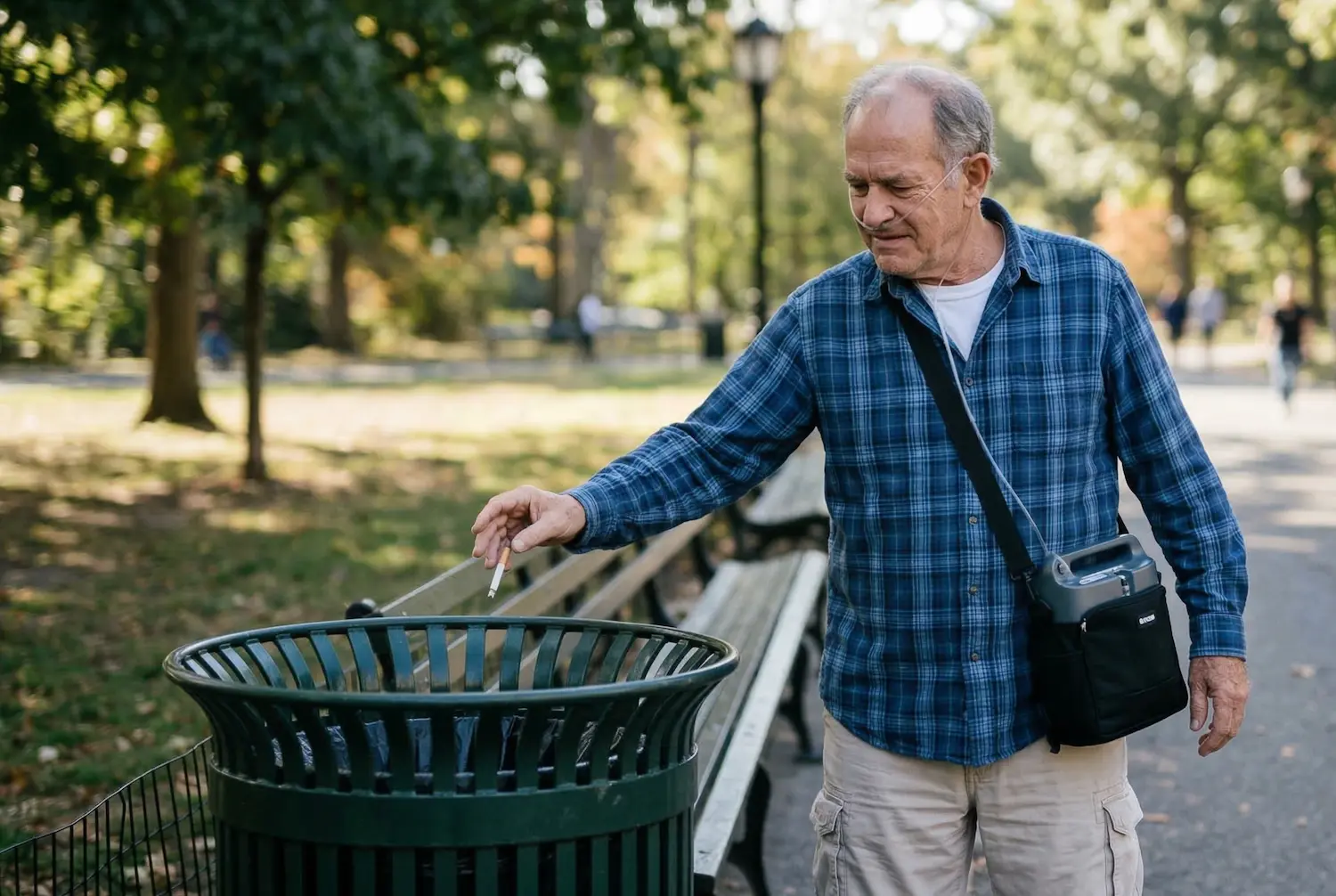
If you have COPD and still smoke, quitting is the single most important step you can take to protect your lungs. Smoking is the main cause of COPD and continues to accelerate lung damage even after the disease develops.
Studies show that smoking cessation slows lung function decline, reduces flare-ups, and lowers the risk of death in the approximately 50% of patients with diagnosed COPD who continue to smoke. The good news is that it’s never too late to quit. Stopping smoking can help stabilize symptoms and improve quality of life at any stage of the disease.
In this guide, we’ll explain why smoking makes COPD worse, what changes in your lungs when you quit, and the most effective strategies doctors recommend to help COPD patients stop smoking successfully.
Why Smoking Is So Harmful in COPD
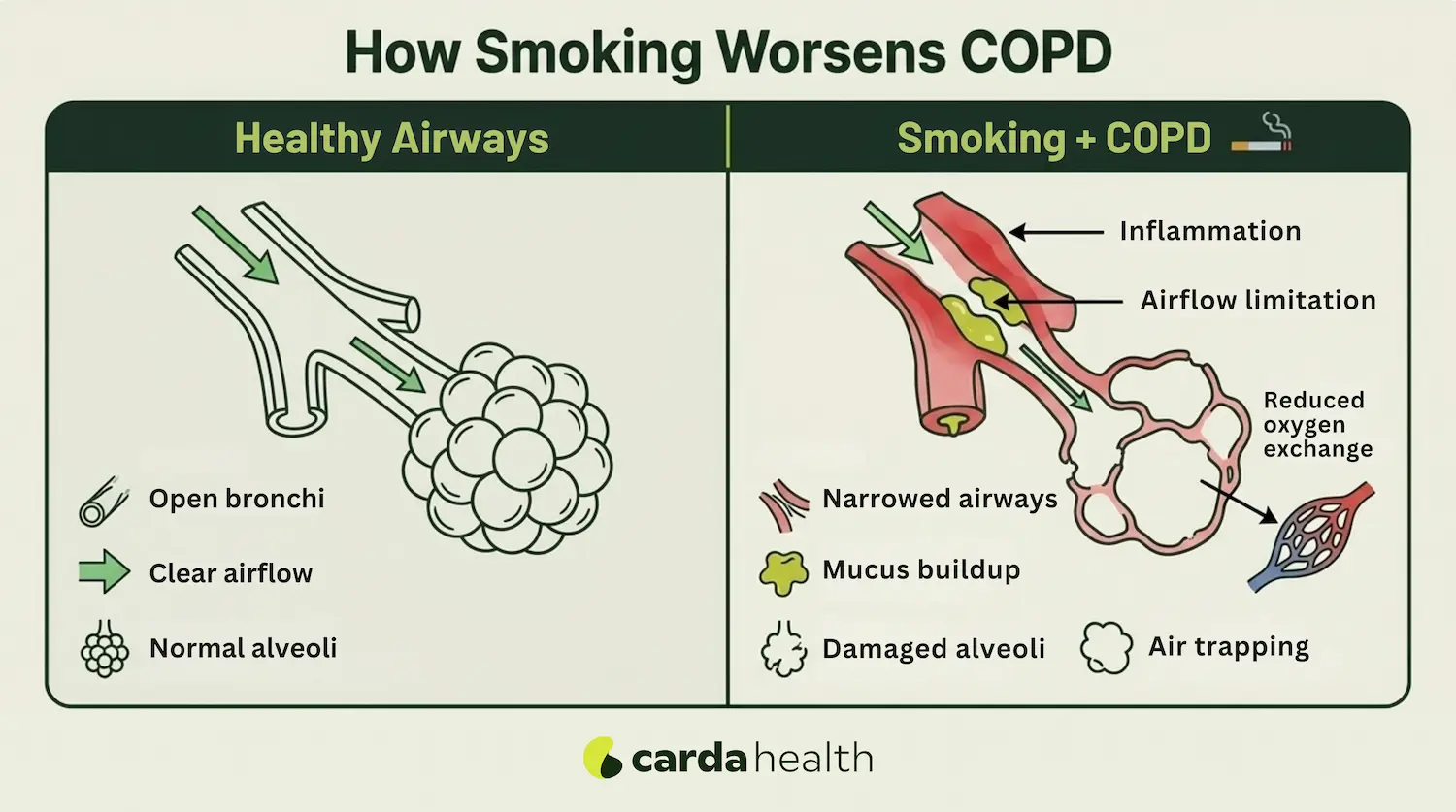
Smoking damages the lungs in several ways that directly worsen COPD. The chemicals in cigarette smoke irritate and inflame the airways, causing them to narrow and produce excess mucus. Over time, this chronic inflammation leads to permanent airway damage and destruction of the air sacs (alveoli), which are responsible for exchanging oxygen.
For people with COPD, continuing to smoke accelerates this damage. Lung function declines faster, symptoms such as breathlessness and cough become more severe, and the risk of flare-ups increases. Smoking also weakens the lungs’ natural defense system, making infections like pneumonia and bronchitis more likely.
Because of these effects, smoking cessation is considered the most effective intervention to slow the progression of COPD. Even after the disease has developed, stopping smoking can significantly reduce further lung damage.
The Benefits of Quitting Smoking with COPD
Quitting smoking does not reverse COPD, but it can significantly slow the progression of the disease and improve overall health. In fact, it is the most effective way to protect the remaining lung function in people with COPD.
Slower Lung Function Decline
When someone with COPD continues to smoke, lung function declines much faster over time. Quitting smoking slows this, helping preserve breathing capacity for longer.
Fewer COPD Flare-Ups
Smoking irritates the airways and increases the risk of exacerbations (flare-ups). People who quit smoking often experience fewer flare-ups and hospital visits.
Improved Breathing and Exercise Tolerance
After quitting, inflammation in the airways gradually decreases. Many people notice that breathing becomes slightly easier and physical activity becomes more manageable.
Lower Risk of Serious Health Problems
Smoking also increases the risk of heart disease, lung cancer, and infections. Quitting reduces these risks and improves long-term survival for people living with COPD.
Also Read: COPD and Heart Failure Overlap
{{get-started}}
What Happens to Your Body After You Quit Smoking
The body begins to recover soon after you stop smoking. While COPD damage cannot be completely reversed, quitting smoking allows the body to start recovering immediately, lungs and airways to gradually reduce inflammation and function more efficiently.
Sources: CDC, American Heart Association, NHS Stop Smoking Services, and GOLD
How to Quit Smoking Successfully with COPD
Quitting smoking can be challenging, especially for people who have smoked for many years. However, using the right strategies can greatly improve your chances of success. Doctors often recommend combining behavioral support with medical treatments to help manage cravings and withdrawal symptoms.
Set a Clear Quit Date ASAP
Choosing a specific date to stop smoking helps you prepare mentally and practically. In the days leading up to your quit date, try removing cigarettes, lighters, and ashtrays from your home or workspace.
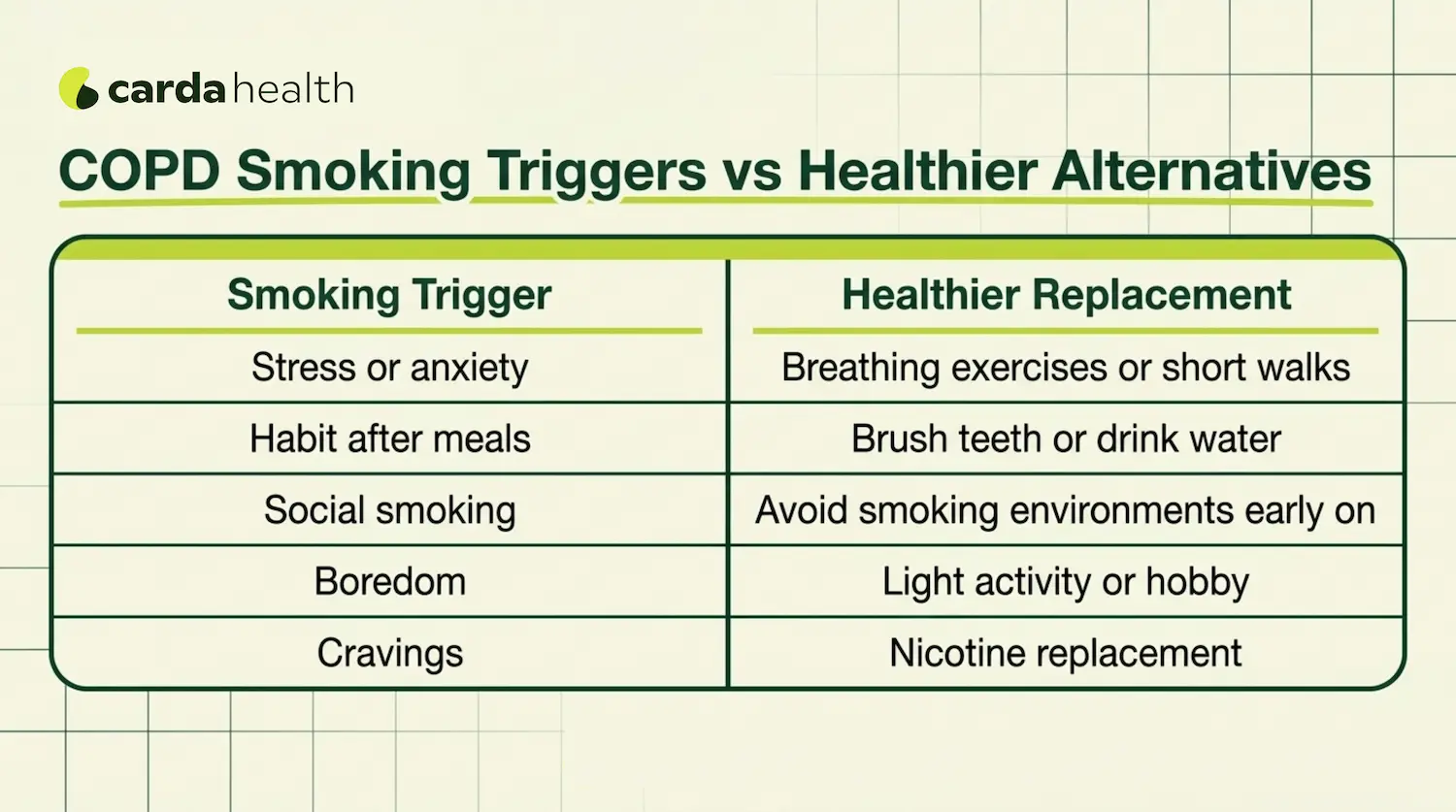
Identify Your Triggers
Many smokers associate cigarettes with certain routines, such as drinking coffee, feeling stressed, or finishing a meal. Recognizing these triggers allows you to plan healthier alternatives, like going for a short walk, practicing breathing exercises, or chewing gum.
Use Support Systems
Support from family, friends, or healthcare professionals can make quitting easier. Counseling programs, rehab programs, support groups, or smoking cessation guides can provide motivation and practical advice throughout the quitting process.
Replace Smoking with Healthier Habits
Replacing smoking with healthier behaviors helps reduce cravings. Some people find relief through deep breathing, light physical activity, or drinking water when urges arise. Over time, these new habits can replace the routine of smoking.
For many COPD patients, combining lifestyle strategies with medications or nicotine replacement therapy offers the highest success rates.
Smoking Cessation Treatments Doctors Recommend
For many people with COPD, quitting smoking is easier with medical support. Doctors often recommend treatments that reduce nicotine cravings and withdrawal symptoms, making it more manageable to stop smoking completely.
Nicotine Replacement Therapy (NRT)
Nicotine replacement therapy provides controlled doses of nicotine without the harmful chemicals found in cigarettes. This helps reduce withdrawal symptoms while you gradually break the habit of smoking.
Common options include:
- Nicotine patches
- Nicotine gum
- Nicotine lozenges
- Nicotine inhalers or nasal sprays
These products allow the body to slowly adjust to lower nicotine levels over time.
Prescription Medications
In some cases, doctors may prescribe medications that help reduce cravings and make smoking less satisfying.
Examples include:
- Varenicline (Chantix) – reduces nicotine cravings and blocks the pleasurable effects of smoking
- Bupropion (Zyban) – usually helps reduce withdrawal symptoms and cravings
These medications are typically used for several weeks or months as part of a structured quit plan.
Counseling and Behavioral Support
Research shows that combining medication with counseling significantly improves the chances of quitting successfully. Behavioral support may include:
- smoking cessation counseling
- structured quit programs
- pulmonary rehabilitation programs
These approaches help address the habits and triggers associated with smoking while providing ongoing support during the quitting process.
Pulmonary rehabilitation programs combine exercise training, breathing techniques, and lifestyle & habitual support to improve lung function and overall endurance.
Challenges COPD Patients May Face When Quitting Smoking
Quitting smoking can be difficult, especially for people living with COPD who may have smoked for many years. Understanding the challenges ahead can help you prepare and stay committed to quitting.
Nicotine Withdrawal
When you stop smoking, the body begins adjusting to lower nicotine levels. This can cause temporary symptoms such as irritability, anxiety, difficulty concentrating, and strong cravings. These symptoms usually improve over time and can be managed with nicotine replacement therapy or medications.
Fear of Worsening Breathing
Some COPD patients worry that quitting smoking will immediately make breathing worse. In reality, while coughing may temporarily increase as the lungs begin clearing mucus, quitting ultimately helps reduce airway inflammation and improves long-term breathing.
Also read: How to Increase Oxygen Levels
Habit and Routine
Smoking is often linked to daily routines, such as drinking coffee, taking breaks, or dealing with stress. Breaking these habits requires replacing smoking with healthier alternatives like walking, deep breathing exercises, or drinking water.
Weight Gain
Some people may gain a small amount of weight after quitting smoking because nicotine suppresses appetite. Maintaining a balanced COPD diet and staying physically active can help manage this change.
Recognizing these challenges ahead of time can make the quitting process easier and help prevent relapse.
{{get-started}}
Tips to Stay Smoke-Free Long Term
Quitting smoking is a major step, but staying smoke-free is just as important. Many people experience occasional cravings even months after quitting, especially during stress or familiar routines. Having a plan can help you maintain your progress.
- Avoid situations that trigger smoking urges, especially early in your quit journey.
- Stay away from environments where smoking is common or around people who smoke.
- Manage stress through healthier habits like breathing exercises, light activity, meditation, or short walks.
- Track your smoke-free days and celebrate milestones to stay motivated.
- Seek support from a healthcare provider or smoking cessation program if cravings become difficult to manage.
For people living with COPD, staying smoke-free is one of the most powerful steps you can take to protect your remaining lung function and improve your long-term health.
Conclusion
While smoking cessation may feel difficult at first, the benefits begin quickly and continue to build over time. With the right combination of support, medications, and healthy habits, many people with COPD are able to quit successfully and maintain a better quality of life.
If you are living with COPD and trying to quit smoking, structured support can make the process much easier. Carda Health’s virtual pulmonary rehabilitation program provides guided breathing exercises, lifestyle support, and professional coaching to help you manage COPD and improve daily breathing, all from home.
FAQs
Can quitting smoking improve COPD symptoms?
Yes. While COPD damage cannot be fully reversed, quitting smoking can significantly slow further lung decline. Many people notice reduced coughing, fewer flare-ups, and better breathing control after quitting.
How long does it take to see benefits after quitting smoking with COPD?
Some benefits begin within days, such as improved oxygen levels in the blood. Over the following weeks and months, airway inflammation may decrease and lung function decline slows compared with people who continue smoking.
What is the best way to quit smoking with COPD?
Most doctors recommend combining behavioral support with medical treatments such as nicotine replacement therapy or prescription medications. Counseling, structured quit programs, and pulmonary rehabilitation can also improve success rates.
Can COPD get worse if you continue smoking?
Yes. Continuing to smoke accelerates lung damage, increases the risk of COPD flare-ups, and raises the likelihood of hospitalization. It also increases the risk of heart disease, lung cancer, and respiratory infections.
Is vaping safer than smoking for people with COPD?
Current medical guidance does not consider vaping a safe alternative for people with COPD. E-cigarettes can still irritate the airways and may worsen respiratory symptoms. Quitting nicotine entirely is the safest option for lung health.
Why is quitting smoking especially important in early COPD?
Stopping smoking early in the disease can significantly slow the rate of lung function decline. This helps preserve breathing ability and may delay progression to more severe stages of COPD.
Is it too late to quit smoking with stage 4 COPD?
It is never too late to quit. Even in stage 3 or stage 4 COPD, stopping smoking can slow further lung damage and help stabilize symptoms.
Does COPD continue to progress after quitting smoking?
Yes. Quitting smoking cannot reverse lung damage that has already occurred. However, it significantly slows the progression of COPD and helps protect the remaining lung function.
How long can someone live with COPD after quitting smoking?
Life expectancy varies depending on the severity of COPD and overall health. However, people with COPD who quit smoking often live longer than those who continue smoking because quitting slows lung damage and reduces the risk of heart disease and infections.
References:
https://www.sciencedirect.com/science/article/abs/pii/S0012369216491075
https://www.cdc.gov/tobacco/campaign/tips/diseases/copd.html
https://pmc.ncbi.nlm.nih.gov/articles/PMC11668769/
https://www.frontiersin.org/journals/public-health/articles/10.3389/fpubh.2024.1433269/full