Stage 4 COPD (End Stage): Symptoms, Treatment & Life Expectancy
.avif)
What Is End-Stage COPD?
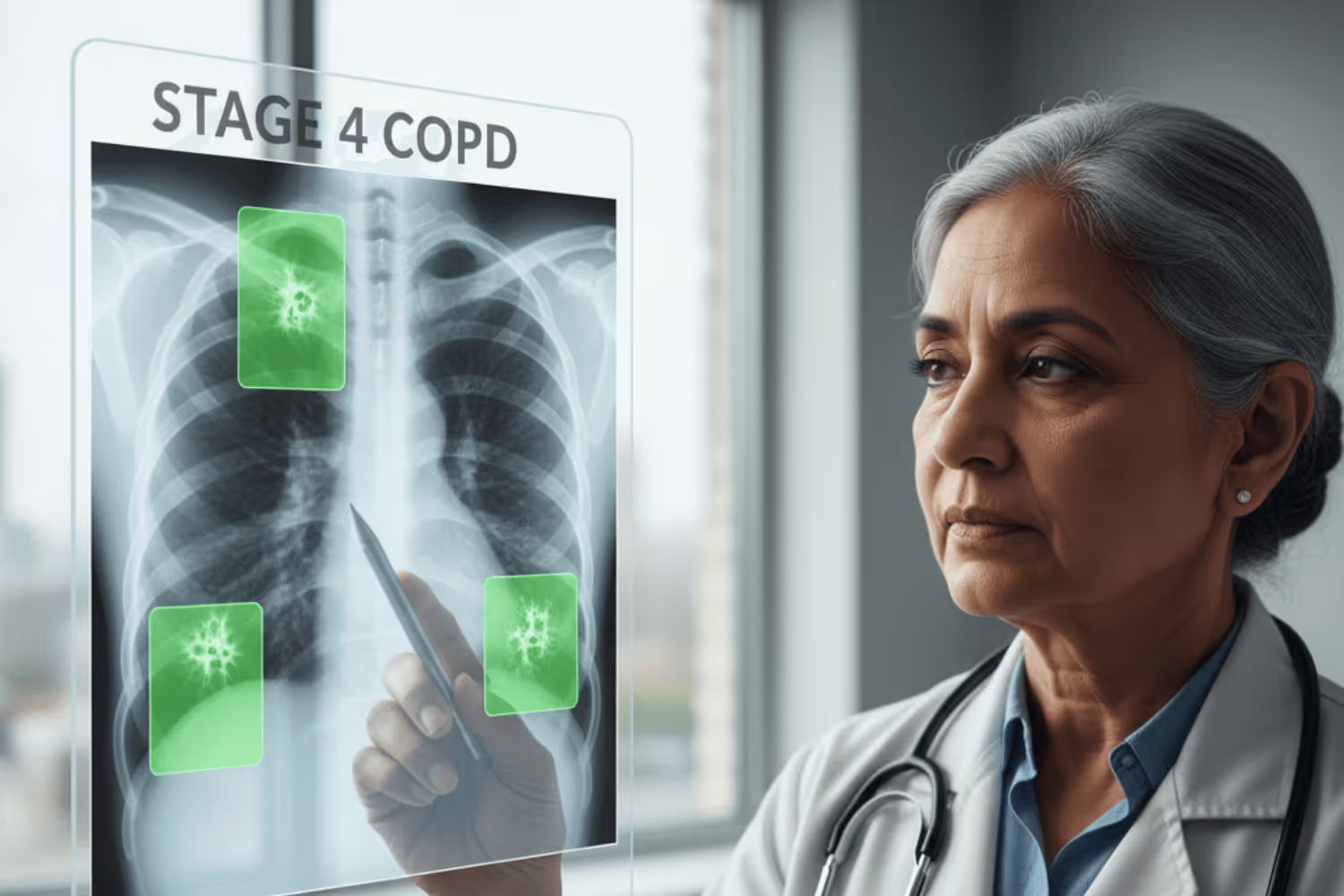
Stage 4 COPD, also called very severe COPD, or end-stage COPD, is the most advanced and serious stage of chronic obstructive pulmonary disease. At this level, lung function is severely limited, breathlessness occurs even at rest, and flare-ups are more frequent and more serious.
Medically, GOLD Stage 4 is diagnosed by:
- FEV₁ below 30% of predicted
(GOLD 2024/2025 guidelines) - or FEV₁ below 50% with chronic respiratory failure
- Persistent symptoms that significantly affect daily life
- Episodes of low blood oxygen (hypoxemia) or high carbon dioxide (hypercapnia)
For many people, this is the point where oxygen therapy, non-invasive ventilation, and specialized symptom management become important parts of care.
Stage 4 COPD does not mean there is no help. Care at this stage focuses on improving comfort, supporting breathing, reducing flare-ups, and helping you live as safely and fully as possible. Many patients remain stable for meaningful periods, especially with the right support, routine, and medical care.
Severe Symptoms of End-Stage COPD
Stage 4 COPD brings the most intense and persistent symptoms of the disease.
Breathing becomes difficult even during rest, and daily activities, even simple ones, may feel overwhelming. These symptoms happen because airflow is severely limited and the lungs can no longer exchange oxygen and carbon dioxide efficiently.
Here’s what people commonly experience at this stage:
1. Severe Breathlessness (Even at Rest)
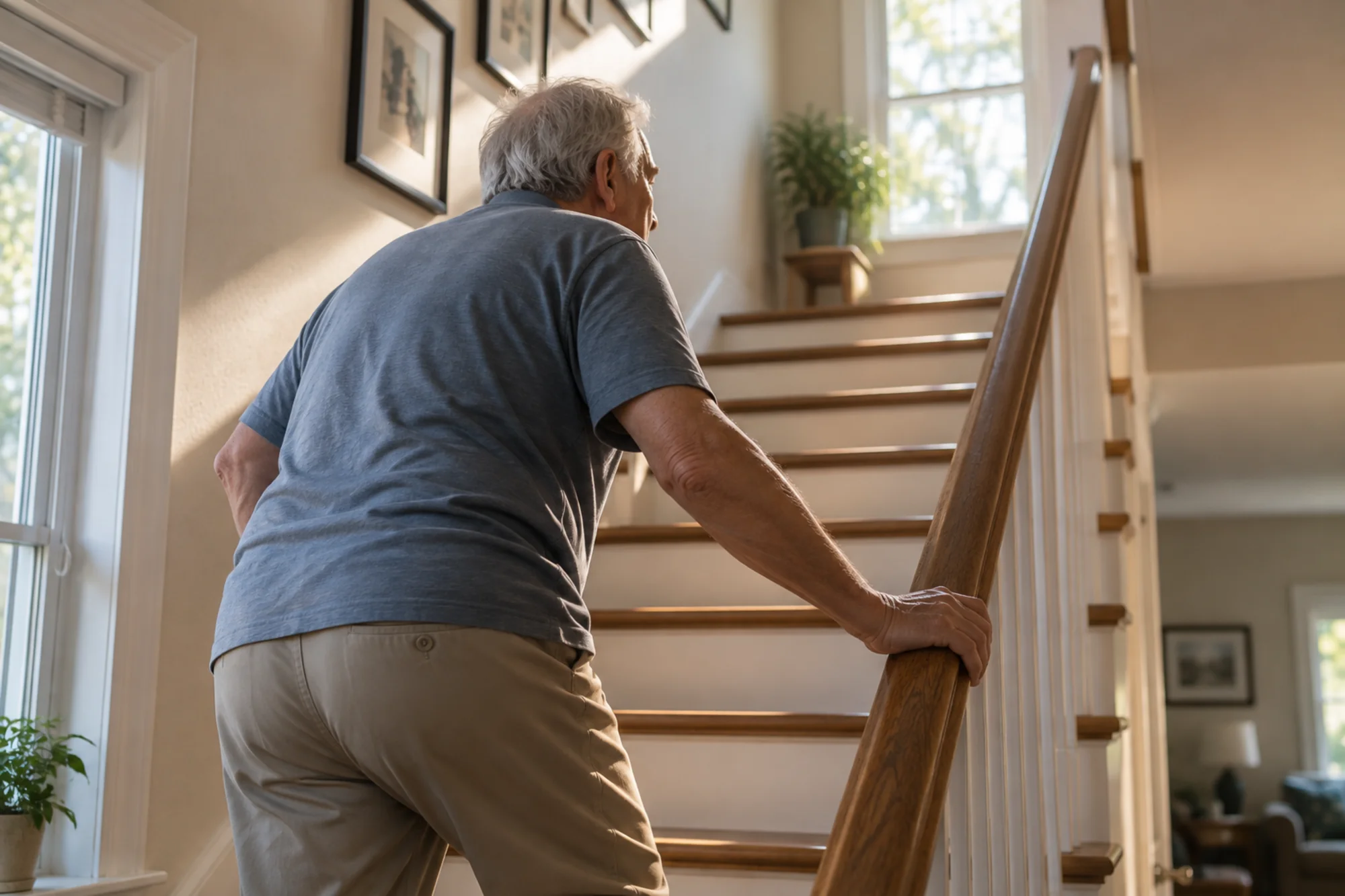
Shortness of breath becomes constant. You may feel winded while talking, dressing, or sitting upright. Breathing may feel shallow, tight, or fast — and anxiety can worsen the sensation.
2. Frequent, Intense Exacerbations
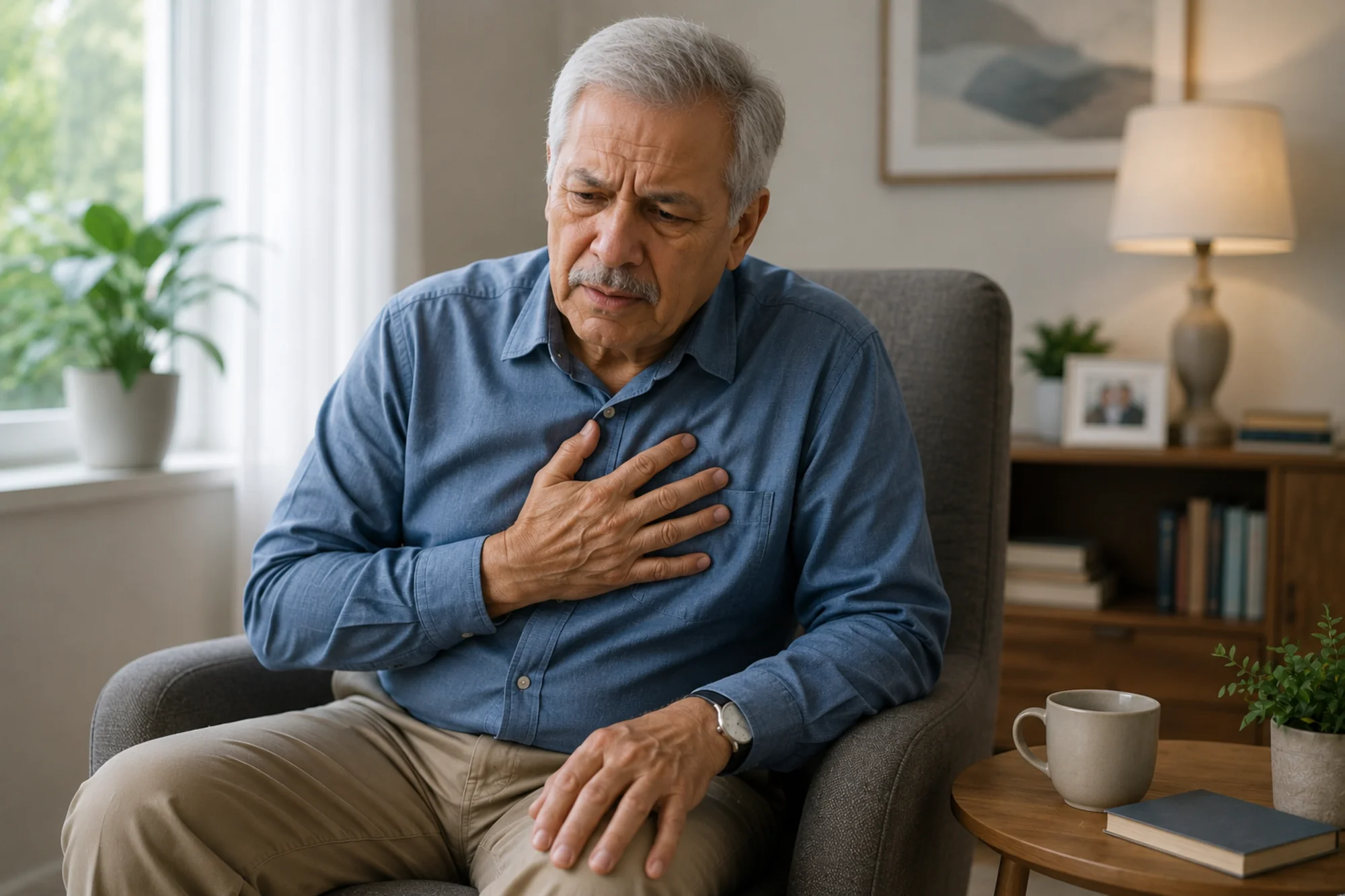
Flare-ups happen more often and may require urgent medical care. These episodes cause sudden breathlessness, chest tightness, and sharp drops in oxygen levels.
3. Low Oxygen Levels (Hypoxemia)
You may notice:
- blue or gray lips or fingertips (cyanosis)
- dizziness or confusion
- headaches, especially in the morning
These symptoms often indicate that the lungs cannot supply enough oxygen to the body.
4. High Carbon Dioxide Levels (Hypercapnia)
When CO₂ builds up, you may feel:
- fatigue
- drowsiness
- difficulty focusing
- morning headaches
- a feeling of “air hunger”
This is one of the reasons doctors may recommend oxygen therapy or BiPAP/NIV.
5. Severe Fatigue and Weakness
Even small activities can feel exhausting. Your body uses more energy simply to breathe, leaving you with little strength for anything else.
6. Unintentional Weight Loss & Muscle Wasting
In stage 4 of COPD, the body burns calories quickly due to the effort of breathing. Loss of muscle mass, especially in the legs and arms, is common w/o careful nutrition and support.
7. Chest Tightness, Wheezing & Chronic Cough
Airways may be narrowed, inflamed, or filled with mucus. Coughing may be frequent and difficult to control.
8. Swollen Legs or Ankles (Cor Pulmonale)
Heart strain from low oxygen levels may cause fluid buildup in the legs, ankles, or feet.
How Doctors Diagnose Stage 4 COPD
Doctors diagnose Stage 4 COPD using a combination of lung function tests, oxygen level measurements, and an evaluation of symptoms and complications.
At this stage, testing focuses less on “discovering COPD” and more on understanding how severely the lungs are affected, and what support you now need.
Spirometry
Spirometry remains an important tool, though it’s not always required at every visit in late-stage COPD. Stage 4 is declared when:
- FEV₁ is below 30% of predicted
- or FEV₁ is below 50% with chronic respiratory failure
Oxygen Level Testing
Oxygen levels are checked routinely because low oxygen (hypoxemia) is common in Stage 4. Doctors use two primary tests:
1. Pulse Oximetry
A small finger clip tracks your oxygen saturation (SpO₂).
2. Arterial Blood Gas (ABG)
An ABG test gives a precise picture of your oxygen and carbon dioxide levels, and is more detailed than a pulse oximeter and is used when symptoms worsen or oxygen drops suddenly.
Chest Imaging (X-ray or CT Scan)
Imaging isn’t used to diagnose the stage of COPD, but it helps detect complications such as:
- lung hyperinflation
- infections (pneumonia)
- collapsed lung
- signs of heart strain
- severe emphysema pattern
This helps doctors decide the safest treatment plan.
Diagnosis in Stage 4 is about understanding what support will help you breathe better and feel safer.
{{get-started}}
Treatment Options for Stage 4 COPD
At Stage 4, treatment focuses on reducing breathlessness, preventing severe flare-ups, supporting oxygen levels, and improving day-to-day comfort.
You may already be using inhalers, but at this stage, the treatment becomes more personalized and may involve additional therapies such as oxygen or non-invasive ventilation. These are some common treatments your doctor may advise depending on your condition.
- Triple Inhaler Therapy (LABA + LAMA + ICS)
- Nebulizers & Rescue Medications
- Oxygen Therapy (Continuous or Intermittent)
- Non-Invasive Ventilation (BiPAP / NIV)
- Oral Medications & Steroids (Case-Dependent)
Surgery & Lung Transplant for COPD
For a very small number of people with Stage 4 COPD, doctors may discuss advanced treatment options such as lung volume reduction surgery (LVRS) or a lung transplant. These are not first-line treatments, but they MAY BE considered in very specific situations.
Managing Breathlessness & Daily Symptoms
Stage 4 COPD brings the most intense breathlessness of any stage, often even while sitting or resting. These simple, proven techniques can help you feel more in control.
Pursed-Lip Breathing
- Inhale through your nose
- Exhale slowly through pursed lips
Helps release trapped air and eases “air hunger.”
Diaphragmatic Breathing
- Let your belly rise as you inhale
- Relax as you exhale
Reduces effort and strengthens breathing muscles.
Forward-Leaning Positions
- Lean forward while sitting, standing
- Rest arms on your thighs or a table
This opens the chest and makes breathing easier.
Stay Cool
Heat worsens breathlessness. Use a fan, AC, or cool clothes on the neck or face.
Conserve Energy
- Sit for daily tasks
- Keep items within reach
- Break activities into short steps
Essential for reducing fatigue and breathlessness.
Nutrition Tips
- Small, high-calorie meals instead of large ones
- Add healthy fats (avocado, olive oil, nut butter) for extra calories
- Include lean protein (eggs, fish, chicken, yogurt) to prevent muscle loss
- Stay hydrated to help thin mucus
- Avoid heavy, salty, or gas-producing foods that make breathing harder
Malnutrition is common in late-stage COPD, so eating enough is essential.
Palliative Care for COPD
Palliative care is not the same as hospice. It’s a supportive approach that focuses on comfort, symptom relief, emotional support, and improving day-to-day life, and it can begin at any stage of severe COPD, not just the end of life.
Living with very severe COPD can feel overwhelming. Palliative care offers help with:
- fear or anxiety during breathlessness
- sadness or emotional stress
- coping with major lifestyle changes
Teams work with your doctor to adjust your medications, and they also help create a flare-up action plan so you know exactly what to do when symptoms worsen.
Life Expectancy & Prognosis
There is no single timeline in all 4 stages of COPD that applies to everyone. People at this stage can have very different outcomes depending on
- Frequency of exacerbations
- The oxygen levels
- Age, and overall health
- Presence of other medical conditions
- Smoking status
- Physical strength, Nutrition, and activity levels
Some people reach Stage 4 and are still smoking. Continuing to smoke at this point significantly increases flare-ups, speeds up lung decline, and shortens survival, so quitting becomes one of the most impactful steps you can take.
What Studies Show About Stage 4 COPD Life Expectancy
Clinical research offers general ranges for Stage 4 COPD, but these are not exact predictions for any one person. Data from the GOLD reports, BODE index research, and long-term studies show:
Life Expectancy Chart at Stage 4
3–5 years common
These numbers describe population trends, not any personal predictions.
Many people live longer than expected when they stay stable, maintain weight, manage symptoms early, and receive strong medical and palliative support. Doctors avoid giving exact timeframes, because COPD progression is highly individual. Two people with the same lung numbers can have completely different outcomes based on flare-up history, lifestyle, strength, and support systems.
{{get-started}}
Living With Stage 4 COPD: Safety & Support
Stage 4 COPD can limit mobility and independence, so creating a safer, easier daily environment becomes essential. Tiny adjustments can reduce breathlessness, prevent accidents, and make daily life more manageable.
- Keep pathways clear to avoid falls or rushing.
- Use a shower chair, handrails, or non-slip mats in the bathroom.
- Elevate your head and upper body when sleeping to ease nighttime breathlessness.
- Use a fan or cool airflow in areas where you rest.
- Store backup oxygen or batteries if needed.
- Never smoke or cook with open flames around oxygen.
Many Stage 4 patients benefit from basic daily help, such as: meal prep, laundry, getting dressed, bathing, & grocery shopping. Moreover, teach family members or caregivers how to help during breathlessness.
Planning for the End
It’s a bitter truth, but stage 4 COPD is a life-limiting condition. Most people eventually face a point where breathing becomes extremely difficult, flare-ups become harder to recover from, and energy levels drop significantly. Thinking ahead helps you stay in control of your care and reduces stress for your family.
These steps give you and your family clarity and peace of mind:
1. Make or Update Your Will
This ensures your property, finances, and important belongings go exactly where you want.
2. Choose a Medical Power of Attorney
Select someone you trust to make medical decisions if you’re unable to.
3. Create an Advance Directive or Living Will
This document explains:
how aggressively you want doctors to treat future flare-ups
whether you want hospitalization or prefer home care
if you want CPR, ventilators, or intensive care
your wishes for end-of-life comfort
Doctors and families follow this document when situations become unclear.
4. Organize Important Documents
Keep everything in one place:
- ID and insurance papers
- oxygen prescriptions
- medication list
- bank documents
- emergency contacts
Make sure at least one family member knows where everything is.
When Hospice May Be Considered?
It’s helpful to talk openly with your doctor and your family about what you want as the disease progresses. Some people prefer to remain at home as much as possible, receiving symptom-focused care rather than frequent hospital visits. Others want to continue aggressive treatment for as long as possible. There is no “right” choice, only the choice that aligns with your values and comfort.
At a certain point, hospice care may be appropriate. Hospice does not mean stopping all care; it means shifting the focus toward comfort, dignity, and staying at home rather than returning to the hospital repeatedly.
Hospice teams provide medications to ease breathlessness and anxiety, equipment like hospital beds or oxygen backups, guidance on respiratory distress, and emotional support for both patients and families. Many people find that involving hospice earlier rather than later greatly improves quality of life.
What Caregivers Should Expect
As breathing becomes more difficult, caregivers often notice changes such as increased sleep, reduced appetite, trouble speaking full sentences, or moments of confusion caused by low oxygen or high carbon dioxide levels. These can be normal in the body’s final stages.
Caregivers, at this point, play an essential role by helping the person find comfortable positions, managing oxygen equipment, keeping medications organized, and noticing early changes that may require medical guidance.
When to Seek Emergency Care
Some symptoms require immediate medical attention. Getting help in such cases quickly can prevent life-threatening complications.
- Severe breathlessness at rest
- Blue or gray lips, tongue, or fingertips
- Confusion, extreme drowsiness, or difficulty staying awake
- Chest pain or irregular heartbeat
- Inability to speak full sentences
- Very low oxygen levels
- Worsening wheezing or chest tightness despite medication
- A sudden drop in oxygen despite using your prescribed oxygen flow rate
Conclusion
Stage 4 COPD is challenging, but you still have options that can make each day safer and more comfortable. Treatments, breathing strategies, oxygen use, and strong support at home can ease your remaining life. Planning ahead and communicating your wishes also brings clarity for you and your family.
You don’t have to navigate this stage alone. Carda Health’s virtual pulmonary rehab program offers guidance you can follow from home, helping you manage symptoms, move safely, and maintain comfort in ways that match your needs.
FAQs
Is Stage 4 COPD considered terminal?
Yes. Stage 4 is the final stage of COPD, but being “terminal” does not mean death is immediate. Many people live longer than expected with careful treatment, oxygen use, stable weight, and strong support.
Is dying from COPD a painful death?
The final stage of COPD can involve significant breathlessness, fatigue, and anxiety. However, hospice and palliative care teams are highly trained in managing these symptoms so that discomfort is minimized and breathing feels easier. With the right support, most people do not experience a painful death.
What is stage 4 COPD survival rate?
Research shows that the Stage 4 COPD survival rate at four years ranges between 20% and 30% for people with high BODE scores, though individuals with stable symptoms and fewer exacerbations may do better.
Stage 4 COPD and congestive heart failure?
In later stages, low oxygen levels can strain the heart and contribute to congestive heart failure, which may cause swelling in the legs, fatigue, and worsening breathlessness.
How long can you live with Stage 4 COPD?
Most research shows an average life expectancy of two to five years, but outcomes vary widely. Some people live only months if they have frequent hospitalizations, while others remain stable for several years.
Can you fly with Stage 4 COPD?
Air travel is sometimes possible, but it needs planning. You may require in-flight oxygen, a medical clearance form, and shorter trips. High altitudes can worsen breathlessness, so discuss plans with your doctor first.
What if I have Stage 4 COPD and pneumonia?
Pneumonia is more serious in Stage 4 COPD and often requires early treatment. It can quickly lead to severe flare-ups, so any fever, chills, or change in mucus should be evaluated promptly
What if I have Stage 4 COPD and still smoke?
Smoking at this stage greatly speeds up lung decline and raises the risk of pneumonia, lung cancer, and hospitalization. Quitting, even now, is one of the best ways to slow progression.
Does Stage 4 COPD increase the risk of lung cancer?
Yes. COPD and smoking history both raise lung cancer risk. New symptoms like coughing up blood or sudden weight loss should be checked immediately.
Can Stage 4 COPD qualify for disability?
Most people with very severe COPD qualify for disability because breathing limitations make full-time work difficult. Oxygen dependence, low FEV₁, and limited mobility often meet disability criteria.
References
GOLD – Global Initiative for Chronic Obstructive Lung Disease (2025 Report)
NIH / NHLBI – National Heart, Lung, and Blood Institute
PMC – Late-Stage COPD Symptom Burden & Management