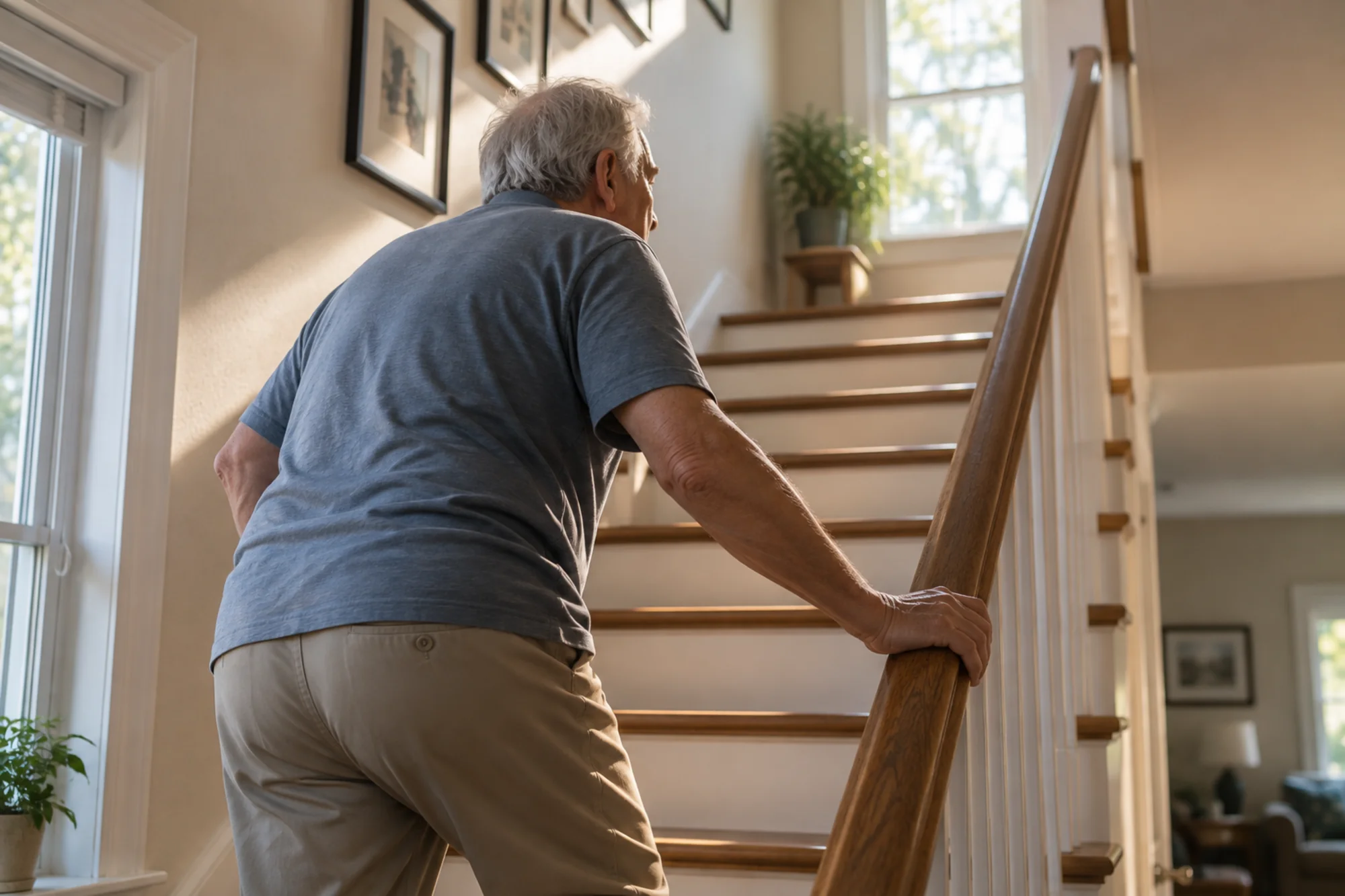

Heart valve replacement recovery typically takes 6 to 12 weeks. Whether you had a mechanical or biological valve implanted, or underwent a minimally invasive procedure versus traditional open-heart surgery, recovery follows a general pattern. This guide walks through that pattern week by week, covering fatigue, safe exercise, and the role cardiac rehab plays in full recovery.
Key Facts — In This Article
- Most patients spend 5–7 days in the hospital after open heart valve replacement surgery.
- Full recovery usually takes 6–12 weeks; minimally invasive approaches may shorten this.
- Fatigue is the most commonly reported symptom and can persist for several weeks.
- Cardiac rehabilitation can improve functional capacity by 20–30% after valve surgery.
- Driving, lifting over 10 pounds, and returning to work are typically restricted for at least 6 weeks following open surgery.
What Is Heart Valve Replacement Surgery?
Heart valve replacement removes a damaged valve and replaces it with either a mechanical valve or biological valve. The most frequently replaced are the aortic and mitral valves.
Two primary approaches:
- Traditional open-heart surgery (sternotomy): Provides wide access; used for complex or multi-valve cases.
- Minimally invasive surgery: Smaller incisions, often between the ribs; may allow a shorter recovery.
A catheter-based approach (TAVR) is available for higher-risk patients, typically with a faster initial hospital recovery. Understanding the four chambers of the heart helps illustrate why a damaged valve affects energy, breathing, and daily function.
{{get-started}}
Heart Valve Replacement Recovery Timeline
The table below outlines general milestones. Your surgeon’s specific instructions always take priority.
Days 1–5: Hospital Recovery
After surgery you will typically spend 1–2 days in the ICU. A breathing tube, chest tubes, and IV lines are common and removed as you stabilize. The care team will encourage sitting, standing, and short walks within 24–48 hours to reduce clots and pneumonia risk.
Weeks 1–2: Early Recovery at Home
Fatigue is significant in these first weeks — even showering can be exhausting. This is normal.
- Walk short distances several times per day, gradually increasing.
- Avoid lifting anything heavier than 5–10 pounds.
- Do not drive until surgeon-cleared (usually 4–6 weeks after sternotomy).
- Sleep propped up or in a recliner if lying flat is uncomfortable.
Weeks 3–6: Rebuilding Daily Function
Energy and endurance gradually improve. Light household tasks and longer walks become possible. Cardiac rehabilitation — in-person or virtual — often begins during this window. Sternal precautions remain important until the breastbone has adequately healed (typically 6–8 weeks).
Weeks 7–12: Returning to Normal Activities
Many patients return to work between weeks 8 and 12, depending on job demands. Cardiac rehab continues with increasing exercise intensity. By the end of this phase, many patients feel significantly better than they did before surgery.
Managing Fatigue After Heart Valve Replacement
Fatigue is the most common concern during heart valve replacement recovery. Contributing factors include:
- Physical demands of healing bone, tissue, and cardiovascular repair
- Effects of general anesthesia and new cardiac medications
- Disrupted sleep from pain or anxiety
- Deconditioning from even brief bed rest
Practical strategies:
- Plan rest periods. Alternate activity with rest. Overdoing it on a good day often causes a setback the next.
- Keep moving. Light walking combats fatigue more effectively than extended bed rest.
- Eat well. Focus on lean protein, vegetables, fruits, and whole grains.
- Track progress. Noting daily activity helps you see improvement when recovery feels slow.
Fatigue after heart valve surgery is expected, temporary, and manageable. Most patients notice meaningful improvement by weeks 4–6. If fatigue worsens or fails to improve after several weeks, contact your healthcare provider.
Exercise and Activity Guidelines During Recovery
Safe, progressive exercise is a cornerstone of recovery.
- Weeks 1–4: Walking is your primary exercise — 5–10 minutes on flat surfaces, 2–3 times per day.
- Weeks 4–8: Structured cardiac rehab exercises begin under professional supervision.
- Weeks 8–12+: Progress toward 30+ minutes of moderate-intensity aerobic exercise. Monitor exertion using exercise heart rate guidelines.
Avoid until surgeon clearance:
- Heavy lifting (over 10 lbs early on; 25+ lbs for 6–8 weeks)
- High-impact or contact sports
- Chest/sternal strain exercises (push-ups, pull-ups) during healing
- Submerging incisions in water until fully healed
How Cardiac Rehab Supports Heart Valve Replacement Recovery
Cardiac rehabilitation — supervised exercise, education, and emotional support — is recommended by major cardiology organizations after valve replacement. Research shows it improves functional capacity and quality of life compared to unsupervised recovery.
A program includes: supervised exercise, medication and nutrition education, psychosocial support, and heart rate/blood pressure monitoring.
Despite proven benefits, fewer than 30% of eligible patients complete traditional in-person rehab. Home-based and virtual cardiac rehab programs reduce those barriers. Carda Health offers virtual cardiac and pulmonary rehab from home — get started with Carda.
{{get-started}}
Emotional Health During Recovery
Emotional challenges are common and underreported. Expect some combination of:
- Relief that the procedure is done
- Anxiety about the new valve, anticoagulants, or complications
- Frustration with fatigue and the pace of recovery
- Low mood or depression — affecting an estimated 20–30% of post-cardiac surgery patients
These are normal responses to a major life event. Talk with your care team, lean on family, and use cardiac rehab’s support component. If sadness or anxiety persists or interferes with daily life, tell your provider — effective treatments are available.
Warning Signs to Watch For
Contact your surgeon or go to the emergency room if you experience:
- Fever above 101°F (38.3°C)
- Increasing redness, swelling, warmth, or drainage at the incision
- New or worsening shortness of breath
- Rapid or irregular heartbeat that doesn’t resolve with rest
- Sudden weight gain (over 2–3 lbs in a day) signaling fluid retention
- Chest pain that differs from expected post-surgical discomfort
- Signs of stroke: sudden weakness, speech difficulty, vision changes
Know when to go to the hospital for rapid heart rate as additional guidance.
Key Takeaways
- Heart valve replacement recovery takes 6–12 weeks, with continued improvement over months.
- Fatigue is normal — plan for it and know it steadily improves.
- Walking and progressive exercise are essential; start gently and increase gradually.
- Cardiac rehab significantly improves outcomes after valve replacement.
- Emotional health matters — anxiety and low mood are common and treatable.
- Know warning signs and don’t hesitate to contact your care team.
Frequently Asked Questions
How long does it take to fully recover from heart valve replacement surgery?
Most patients return to daily activities within 6–12 weeks. Full recovery — stamina, emotional adjustment, and sternal healing — can take 3–6 months. Cardiac rehab participation typically accelerates reaching functional goals. Minimally invasive and TAVR procedures may allow faster early recovery.
Is it normal to feel extremely tired after heart valve replacement?
Yes. Fatigue is the most commonly reported symptom during recovery. It is caused by healing demands, anesthesia and medication effects, disrupted sleep, and deconditioning. Most patients notice meaningful improvement by weeks 4–6.
When can I start exercising after heart valve surgery?
Walking typically begins within 24–48 hours, while still in the hospital. At home, short walks are encouraged from week one. Structured cardiac rehab exercises usually begin around weeks 4–6, with moderate aerobic exercise building through weeks 8–12.
What is cardiac rehab and do I need it after valve replacement?
Cardiac rehabilitation is a medically supervised program including exercise training, health education, and emotional support. Major medical organizations including the AHA recommend it after heart valve surgery. Research shows it improves exercise capacity, quality of life, and long-term outcomes.
When can I drive after heart valve replacement surgery?
Most surgeons advise waiting at least 4–6 weeks after sternotomy. Minimally invasive patients may be cleared sooner. Always confirm with your surgeon before driving.
Can I return to work after heart valve replacement?
Most patients return to work between 6 and 12 weeks. Desk-based roles may be possible by weeks 6–8; physically demanding roles typically require longer. Your surgical and cardiac rehab team can help determine the right timeline.
References
- Heart Valve Surgery — American Heart Association
- What Is Cardiac Rehabilitation? — American Heart Association
- Exercise-based cardiac rehabilitation for adults after heart valve surgery — Cochrane (2016)
- Heart Valve Surgery: What to Expect — Cleveland Clinic
- Heart Valve Surgery — Mayo Clinic
- Cardiac Rehabilitation Utilization — Mayo Clinic Proceedings
- Depression, Anxiety, and Cardiac Morbidity Outcomes After CABG — JACC