Mild COPD: Stage 1 (Early) Signs, Diagnosis, and Prevention
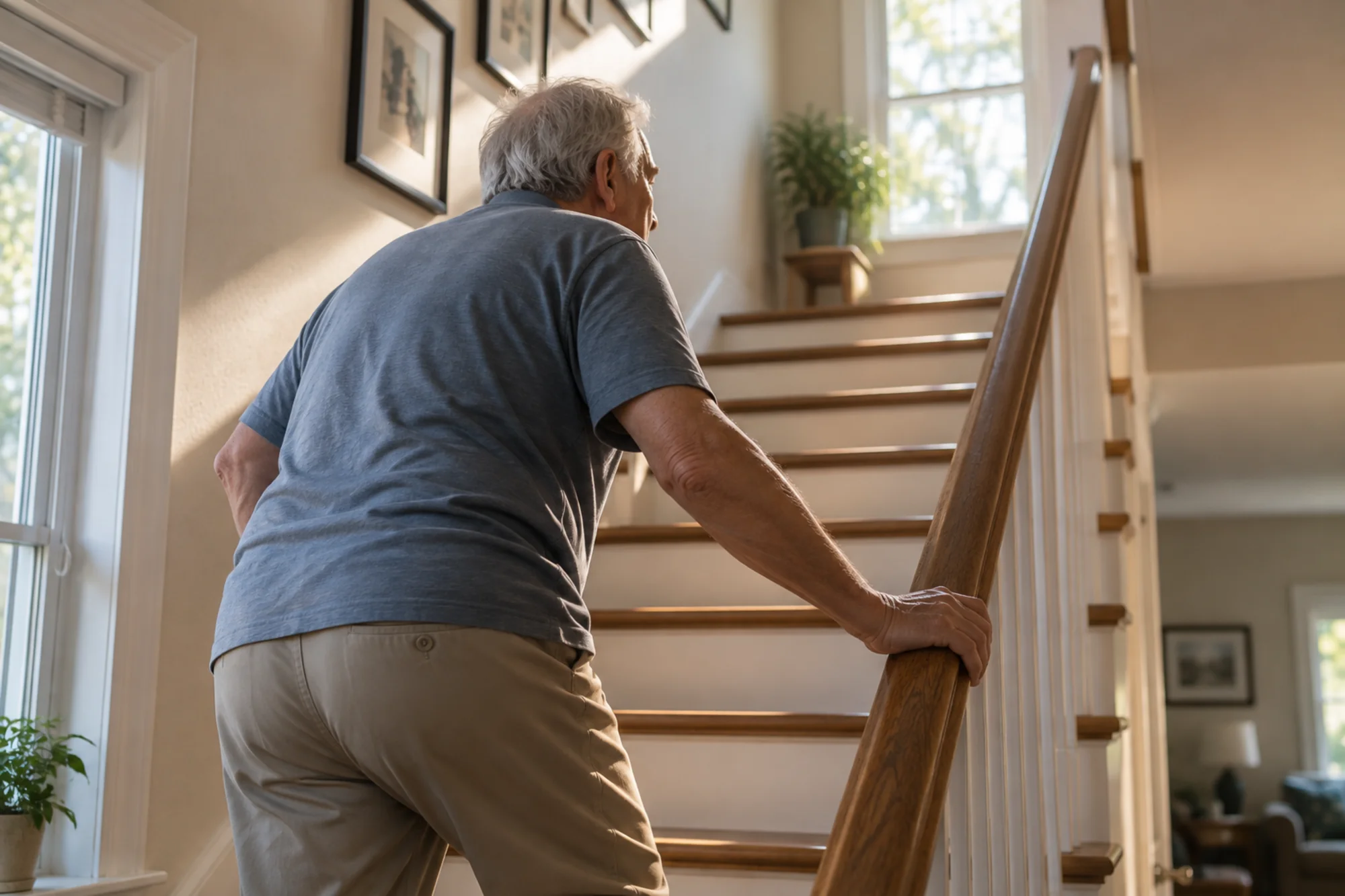
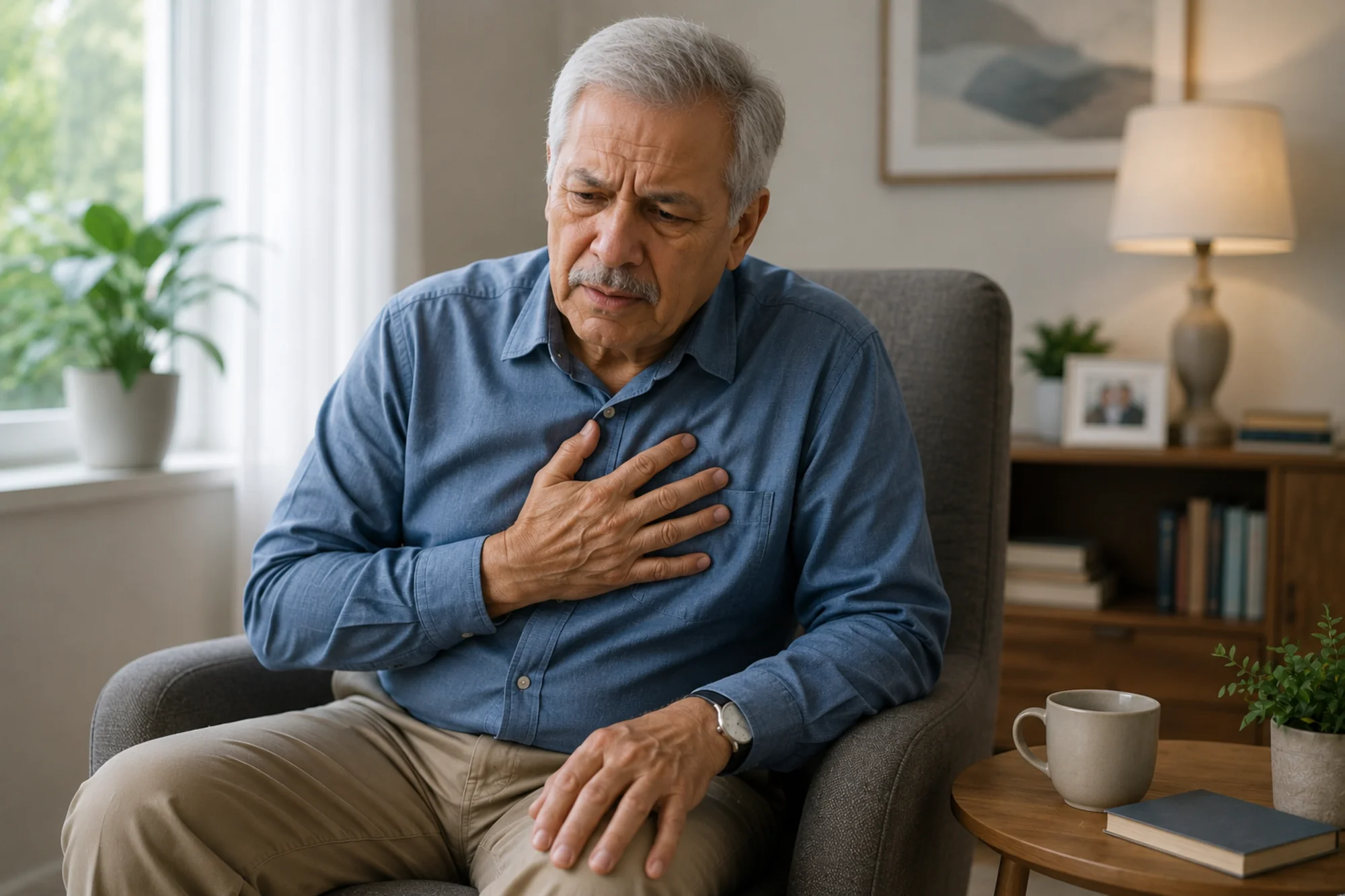
You’re climbing a flight of stairs, and halfway up, you feel a slight tightness in your chest or a shortness of breath, or a cough that lingers longer than usual. It’s easy to blame these on age, weather, or being out of shape. But for millions of people, these signs mark the beginning of Stage 1 COPD, also known as mild chronic obstructive pulmonary disease.
.avif)
COPD or Chronic Obstructive Pulmonary Disease is a long-term lung condition that makes it harder to breathe because the airways become narrow and inflamed over time.
Fact: Up to 70% of people with stage 1 COPD are undiagnosed because symptoms are minimal or absent.
Source: PubMed Central, Archive
But for you, this is good news. When caught early, stage 1 COPD is highly manageable, and in many cases, you can slow or even halt its progression.
This guide breaks down everything you need to know in plain language, backed by the latest 2025 medical guidelines.
- How Stage 1 COPD is diagnosed
- The first signs of COPD to look for
- Simple treatment and lifestyle changes that truly make a difference, and
- How to prevent it from moving into more serious stages
What Is Stage 1 COPD?
Stage 1 or mild COPD is a point where lung function has started to decline, but symptoms are still light or barely noticeable.
In this stage, your FEV1 is 80% or higher of what’s expected for someone your age, sex, and height, but there’s still a key red flag: your FEV1/FVC ratio is less than 0.70 after using a bronchodilator. This means your airways are beginning to narrow, even if you don’t feel it yet. Your lungs are still working well enough to support daily activities, though they may be showing the first signs of damage from factors like smoking, pollution, or long-term exposure to irritants.
Most people in Stage 1 don’t realize they have COPD yet. But it’s the most critical time to act. Early diagnosis and simple lifestyle changes can keep symptoms from getting worse and help preserve healthy lung function for decades.
What Causes COPD?
While cigarette smoking remains the #1 cause (responsible for ~85–90% of cases), you don’t need a pack-a-day habit to be at risk. You can still get COPD without smoking ever. Here are some other factors, like:
- Long-term exposure to secondhand smoke
- Air pollution (indoor cookstoves, outdoor smog)
- Workplace dust, chemicals, or fumes (e.g., construction, textiles, mining)
- Genetics - Alpha-1 antitrypsin deficiency (a rare inherited disorder) can trigger COPD even in never-smokers
- Frequent childhood lung infections
{{get-started}}
COPD Symptoms Stage 1: Signs In Adult Men & Women
Many people with stage 1 COPD feel perfectly fine. Feels like an off day, a bit of breathlessness after exercise, or a mild cough that comes and goes. And by now you must be wondering how do i know if i have copd? Below are the initial signs of copd that help prevent the condition from progressing into something harder to control. Here are some common symptoms you should watch for:
- A mild but persistent cough, especially in the morning
- Occasional wheezing after exercise or cold air exposure
- Shortness of breath when hurrying or walking uphill
- Feeling more tired than usual after routine tasks
- Clearing your throat often due to excess mucus
Tip: Use the “stair test” if you’re huffing after one flight when you used to take two without issue; it’s worth a check-up.
How Is Stage 1 COPD Diagnosed?
Diagnosis usually starts with a simple conversation - your doctor will ask about:
- Smoking history (packs per day × years)
- Occupational or home exposures (dust, smoke, fumes)
- Family history of lung disease
- Symptoms, even if mild
The main test doctors use in COPD physical examination is called Spirometry. A simple, non-invasive breathing test that measures how much air you can blow out and how fast.
It’s painless, takes only a few minutes, and gives your doctor two important numbers:
- FEV₁ (Forced Expiratory Volume in 1 second): how much air you can forcefully exhale in one second.
- FVC (Forced Vital Capacity): the total amount of air you can exhale after a deep breath.
Diagnostic Criteria for Stage 1 COPD Test
- Post-bronchodilator FEV1/FVC < 0.70
- FEV1 ≥ 80% of predicted
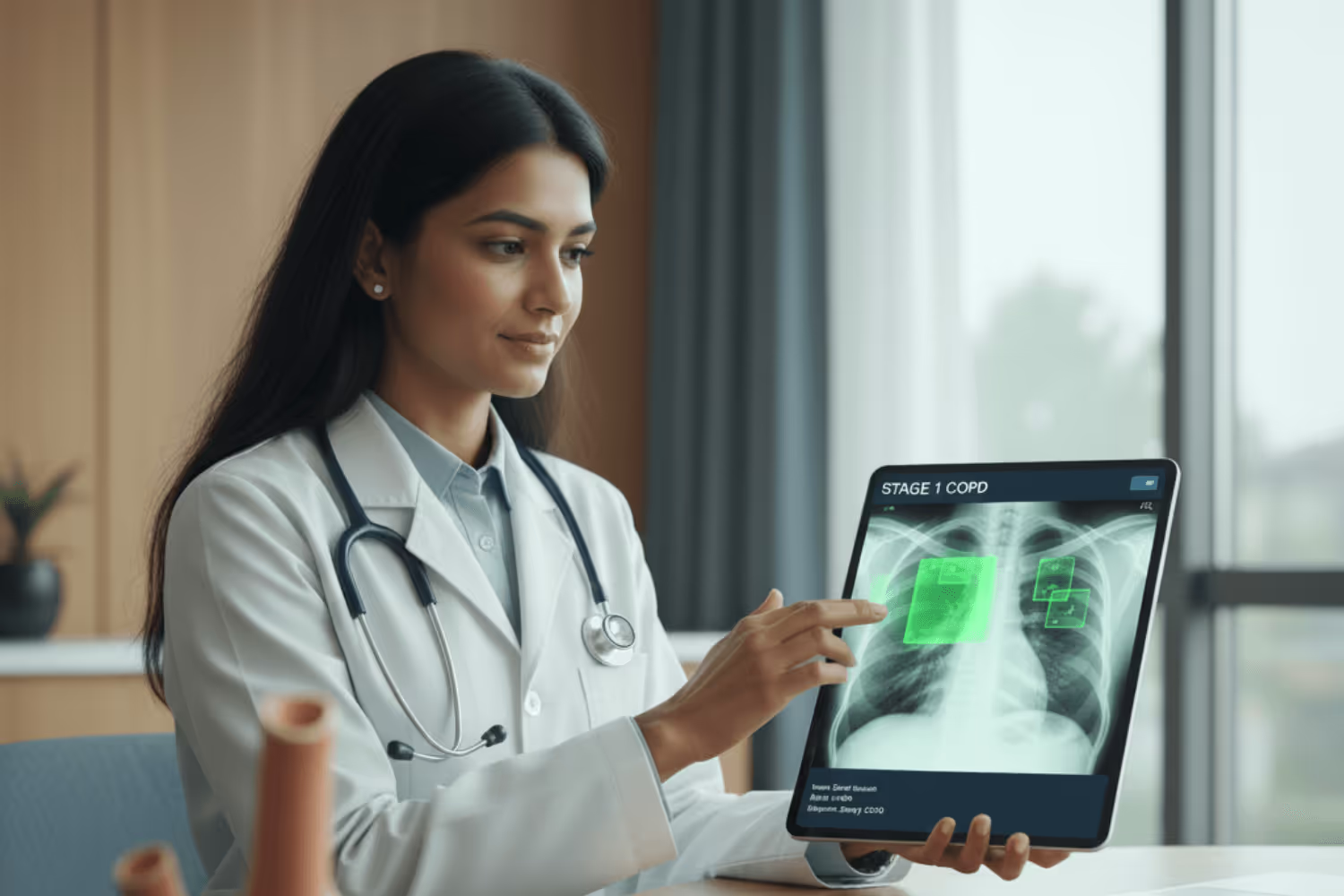
Additional tests may include: Chest X-ray or CT scan, Alpha-1 antitrypsin blood test, 6-minute walk test
Treatment for Stage 1 COPD: Prevention
Your goal at Stage 1 COPD isn’t just to relieve symptoms, it’s to stop progression. Your lungs still have good capacity at this stage, so even small, consistent habits can make a big difference.
1. Quit Smoking (The #1 Solution)
If you smoke, stopping now is the single most effective way to preserve your lungs.
Even after years of smoking, quitting allows your airways to heal and inflammation to decrease.
Support options:
- Nicotine replacement (patches, gum)
- Counseling or support groups
- Free help lines like CDC Quit Smoking
Within weeks of quitting, coughing often improves, breathing feels easier, and energy returns.
2. Medications (Only If Needed)
Most people with mild COPD don’t need daily inhalers; however, your doctor may recommend short-acting bronchodilators - quick-relief inhalers that open the airways and make breathing easier during flare-ups or activity.
Tip: Don’t self-medicate or borrow someone else’s inhaler — always use what your doctor prescribes.
If symptoms appear more frequently, your healthcare provider might suggest a long-acting bronchodilator to use occasionally, depending on your spirometry results.
3. Food for COPD patients
Your lungs perform better when you eat the right nutrients.
Focus on:
- Lean proteins (fish, eggs, beans, chicken)
- Fruits and vegetables rich in antioxidants
- Plenty of water to keep mucus thin
For early prevention, avoid heavy, fried foods that make breathing harder.\
4. Pulmonary Rehabilitation
Pulmonary rehab isn’t only for advanced COPD. In fact, starting early helps you build lung strength and confidence before symptoms progress.
Carda Health’s Pulmonary Rehab program is designed to offer supervised breathing exercises, light physical activity, and education to help you manage COPD from home.
{{get-started}}
How to Prevent COPD from Progressing
Living well with COPD, daily habits you can start today.
When to See a Doctor?
Even in Stage 1 COPD, staying connected with your healthcare provider is crucial. The earlier you act on small changes, the easier it is to manage symptoms and prevent long-term damage.
Contact your doctor immediately if you notice:
- Worsening shortness of breath
- Cough with blood or yellow/green mucus
- Unexplained weight loss
- Swelling in ankles (sign of heart strain)
For routine care, schedule a spirometry check every 6–12 months if diagnosed.
Stage 1 COPD is a wake-up call. With early action, especially quitting smoking and staying active, you can keep your lungs in the “mild” zone for decades and live much, much longer.
FAQs
1. Is COPD reversible in early stages, like stage 1?
No, but it can be stopped from getting worse. Timely diagnosis, treatment, and prevention can slow the progression. Quitting smoking, staying active, and avoiding pollutants can keep your lungs stable for many years.
2. Can I live a normal life with Stage 1 COPD?
Yes. Most people with mild COPD live long, active lives, especially if they manage symptoms early and protect their lungs daily - especially if they stay active and smoke-free.
3. How fast does Stage 1 COPD progress?
It varies. Some stay in Stage 1 for decades, while others progress faster due to smoking or frequent infections. Lifestyle makes the biggest difference.
4. Does mild COPD always get worse?
No. With consistent care, many people keep COPD mild for life. Stopping smoking and staying fit are key.
5. How do you know if you have COPD or asthma?
Common confusion. Simple answer is: Asthma is reversible, COPD isn’t. A smoker’s cough comes and goes, while COPD causes ongoing airway damage.
6. What should I avoid if I have Stage 1 COPD?
Stay away from smoke, dust, fumes, and strong odors. Keep exercising and eating well, and your lungs will thank you.
References
- Global Initiative for Chronic Obstructive Lung Disease (GOLD). Global Strategy for the Diagnosis, Management, and Prevention of COPD – 2025 Report.
- https://my.clevelandclinic.org/health/diagnostics/17833-spirometry
- National Heart, Lung, and Blood Institute (NHLBI). COPD – Diagnosis and Treatment.
- Mayo Clinic. Chronic obstructive pulmonary disease (COPD) – Treatment.
- Cleveland Clinic Journal of Medicine. Advances in COPD management and emerging therapies, 2024.
- https://www.cdc.gov/tobacco/campaign/tips/quit-smoking/index.html
- https://www.cdc.gov/tobacco/campaign/tips/diseases/copd.html