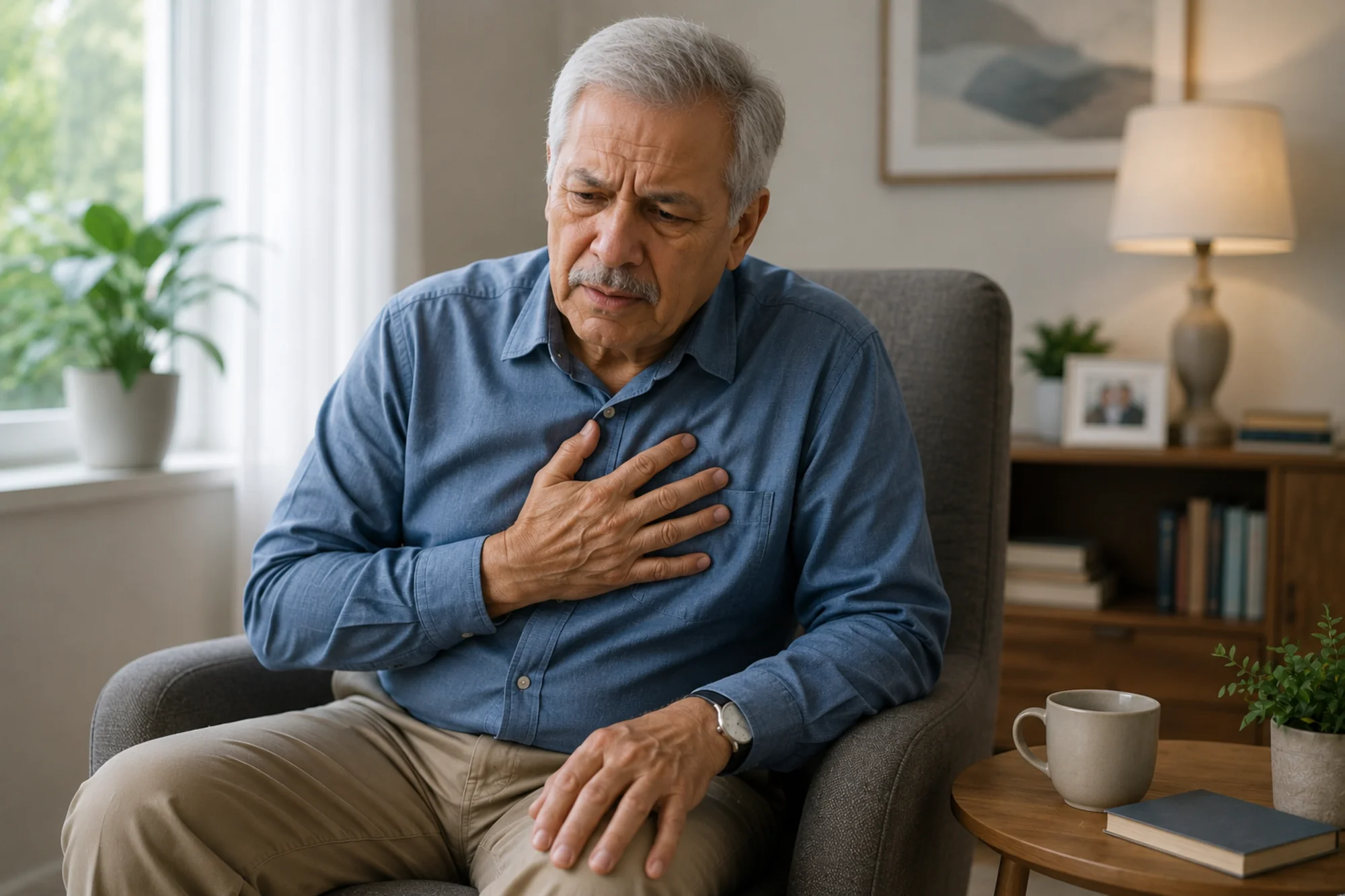

Heart failure symptoms often develop gradually — and recognizing them early can make a meaningful difference in your quality of life and long-term outcomes. Whether you are newly diagnosed, caring for a loved one, or trying to understand what your body is telling you, this guide walks through the most common signs of heart failure, how they progress, and when it is time to call your doctor or go to the emergency room.
Key Facts — In This Article
- Heart failure affects over 6 million adults in the United States.
- Symptoms like fatigue, swelling, and shortness of breath can appear weeks or months before a diagnosis.
- Left-sided and right-sided heart failure produce different symptom patterns.
- Early recognition and structured management — including cardiac rehabilitation — can slow progression and reduce hospital readmissions.
What Is Heart Failure?
Heart failure does not mean the heart has stopped working. It means the heart muscle is no longer pumping blood as efficiently as the body needs. Over time, the heart may become too weak (systolic heart failure) or too stiff (diastolic heart failure) to fill and eject blood normally.
Because the heart supplies oxygen-rich blood to every organ, a decline in pumping ability can produce symptoms throughout the body — from the lungs and legs to the brain and kidneys. Understanding these symptoms helps you and your care team act before the condition worsens. Our guide on diastolic heart failure offers a deeper look at one common subtype.
{{get-started}}
Early Signs of Heart Failure
Many people dismiss the earliest heart failure symptoms as normal aging or being “out of shape.” Recognizing these subtle changes is the first step toward getting appropriate care.
Common early signs include:
- Unusual fatigue — feeling exhausted after activities that previously felt manageable, such as climbing stairs or carrying groceries.
- Mild shortness of breath — especially during exertion or when lying flat at night.
- Slight ankle or foot swelling — that may come and go and worsen by evening.
- Reduced exercise tolerance — needing to rest more frequently during walks or household tasks.
- Unexplained weight gain — gaining two or more pounds in a single day, or five or more pounds in a week, which often signals fluid retention.
- Persistent cough — a dry cough or wheezing not related to a cold or allergy.
If several of these sound familiar, it warrants a conversation with your doctor. Early evaluation can lead to treatments that significantly slow disease progression. Learning how to check heart health at home is a practical way to stay on top of changes between appointments.
Common Heart Failure Symptoms by Type
Heart failure symptoms often depend on which side of the heart is affected.
Left-Sided Heart Failure Symptoms
The left ventricle pumps blood to the body. When it weakens, blood backs up into the lungs.
- Shortness of breath during physical activity
- Difficulty breathing when lying flat (orthopnea)
- Waking up suddenly gasping for air (paroxysmal nocturnal dyspnea)
- A persistent dry cough — sometimes producing pink-tinged mucus
- Fatigue and weakness
- Difficulty concentrating or confusion from reduced brain blood flow
Right-Sided Heart Failure Symptoms
The right side pumps blood to the lungs. When it fails, blood pools in the veins and tissues.
- Swelling (edema) in the feet, ankles, legs, or abdomen
- Sudden weight gain from fluid retention
- Nausea or loss of appetite
- Increased need to urinate at night (nocturia)
- Abdominal bloating or upper right abdominal pain from liver congestion
Many people develop symptoms from both sides — often called congestive heart failure. Leg cramps alongside swelling can also point to fluid buildup and reduced circulation.
Heart Failure Symptoms by Stage
The ACC and AHA classify heart failure into four stages. Understanding your stage helps set realistic goals and choose the right interventions.
Most people reading this are in Stage B or Stage C — where lifestyle changes, medication, and structured cardiac rehabilitation have the greatest impact. Whether heart failure can be reversed depends heavily on stage and cause.
When to Seek Emergency Care
Some symptoms require immediate attention. Call 911 or go to the emergency department if you experience:
- Severe shortness of breath that does not improve with rest or sitting upright
- Chest pain or pressure lasting more than a few minutes
- Fainting or sudden dizziness
- A rapid or irregular heartbeat — see when to go to the hospital for rapid heart rate for specific thresholds
- Coughing up pink, foamy mucus — a sign of fluid in the lungs
- Sudden, severe swelling in legs or abdomen
When in doubt, seek care. It is always better to be evaluated and reassured than to wait and risk a preventable hospitalization. Heart failure emergency visits often happen because symptoms were ignored too long.
Contact your doctor — even if not urgent — when you notice steady swelling increase, weight gain of more than two pounds in a day, or increasing difficulty with activities that were recently manageable.
Living Well With Heart Failure
Many people live active, fulfilling lives with proper management. Day-to-day control usually involves:
Medication adherence. ACE inhibitors, beta-blockers, diuretics, and SGLT2 inhibitors form the backbone of treatment. Taking medications consistently and reporting side effects early helps your care team fine-tune your regimen.
Daily weight monitoring. Weighing yourself each morning before eating catches fluid retention before it leads to worsening symptoms. Record and share with your provider.
Sodium and fluid management. Limiting sodium to under 2,000 mg per day can reduce fluid buildup. Your doctor may also set a daily fluid limit.
Appropriate physical activity. Gentle, regular movement — walking, light resistance work, or supervised cardiac rehab — helps maintain heart muscle function and improves symptoms. See exercises for congestive heart failure for practical ideas.
Stress management and sleep. Poor sleep and chronic stress strain the heart. If you notice heart palpitations at night, mention them to your doctor — they may indicate a treatable issue.
How Cardiac Rehabilitation Can Help
Cardiac rehabilitation is one of the most effective — yet underutilized — tools for managing heart failure symptoms. A structured program combines supervised exercise, nutrition and medication education, and emotional support.
Research published in the Cochrane Database of Systematic Reviews found exercise-based cardiac rehab for heart failure reduced hospital admissions and improved quality of life compared with usual care alone.
Access to in-person rehab is limited for many patients. Virtual cardiac rehab programs deliver comparable outcomes from home. Carda Health offers a virtual cardiac and pulmonary rehabilitation program with licensed exercise physiologists and care teams — get started with Carda from home.
{{get-started}}
Key Takeaways
- Heart failure affects over 6 million adults in the US. Symptoms develop gradually — early recognition is critical.
- Fatigue, shortness of breath, and swelling are the hallmark symptoms; they vary by which side of the heart is affected.
- Stages A and B typically have no symptoms but benefit from early intervention. Stages C and D involve active symptoms requiring structured management.
- Emergency symptoms — severe breathlessness, chest pain, fainting, or pink foamy mucus — require 911 immediately.
- Cardiac rehab significantly improves outcomes in heart failure and is now available virtually.
Frequently Asked Questions
What are usually the first symptoms of heart failure?
The earliest heart failure symptoms are often subtle — unusual fatigue, mild shortness of breath during activity, and slight ankle or foot swelling. Because these overlap with normal aging, they are frequently overlooked. Tracking daily weight and activity tolerance can help identify changes early.
Can heart failure symptoms come and go?
Yes. Symptoms can fluctuate depending on fluid status, sodium intake, medication adherence, and activity level. Some people feel well for weeks then experience a flare-up. Consistent daily monitoring and regular follow-up help prevent these swings from becoming emergencies.
What does heart failure fatigue feel like?
Heart failure fatigue is a deep, whole-body exhaustion disproportionate to the activity performed. Simple tasks like getting dressed can feel draining. Unlike normal tiredness, it typically does not improve fully with rest and tends to worsen without treatment.
Is swelling always a sign of heart failure?
Not always. Swelling can result from prolonged standing, certain medications, kidney issues, or venous insufficiency. However, sudden or worsening swelling — especially combined with weight gain and shortness of breath — is a hallmark of fluid retention associated with heart failure and should be evaluated promptly.
How quickly do heart failure symptoms progress?
The pace varies widely. Some people remain stable at Stage B or early Stage C for years with appropriate treatment. Others — particularly with uncontrolled risk factors like hypertension or untreated valve disease — may progress faster. Early intervention is the strongest predictor of a slower trajectory.
Can exercise make heart failure symptoms worse?
When done appropriately, exercise usually improves heart failure symptoms rather than worsening them. The key is starting gradually under professional guidance. Unsupervised high-intensity activity can be harmful, which is why structured cardiac rehab is recommended. Our overview of cardiac rehab exercises is a good starting point.
References
- What is Heart Failure? — American Heart Association
- 2022 AHA/ACC/HFSA Guideline for the Management of Heart Failure — Circulation
- Exercise-based cardiac rehabilitation for adults with heart failure — Cochrane (2019)
- Heart Failure — Centers for Disease Control and Prevention
- Heart Disease and Stroke Statistics — 2021 Update — Circulation