Barrel Chest in COPD: Causes, Symptoms, and What You Can Do
.avif)

If you or someone you care for has COPD, you may notice changes in the shape of the chest over time. One of the most common, and often worrying, changes is something called barrel chest.
Barrel chest is not a new disease on its own. It’s a physical change that can develop slowly in people with COPD, especially when breathing becomes harder over many years. Understanding what’s happening inside your lungs is the first step toward managing it with confidence.
In this article, we’ll explain barrel chest in clear, simple terms, how it relates to COPD, and what steps can help you manage breathing and stay as active and comfortable as possible.
What Is a Barrel Chest?
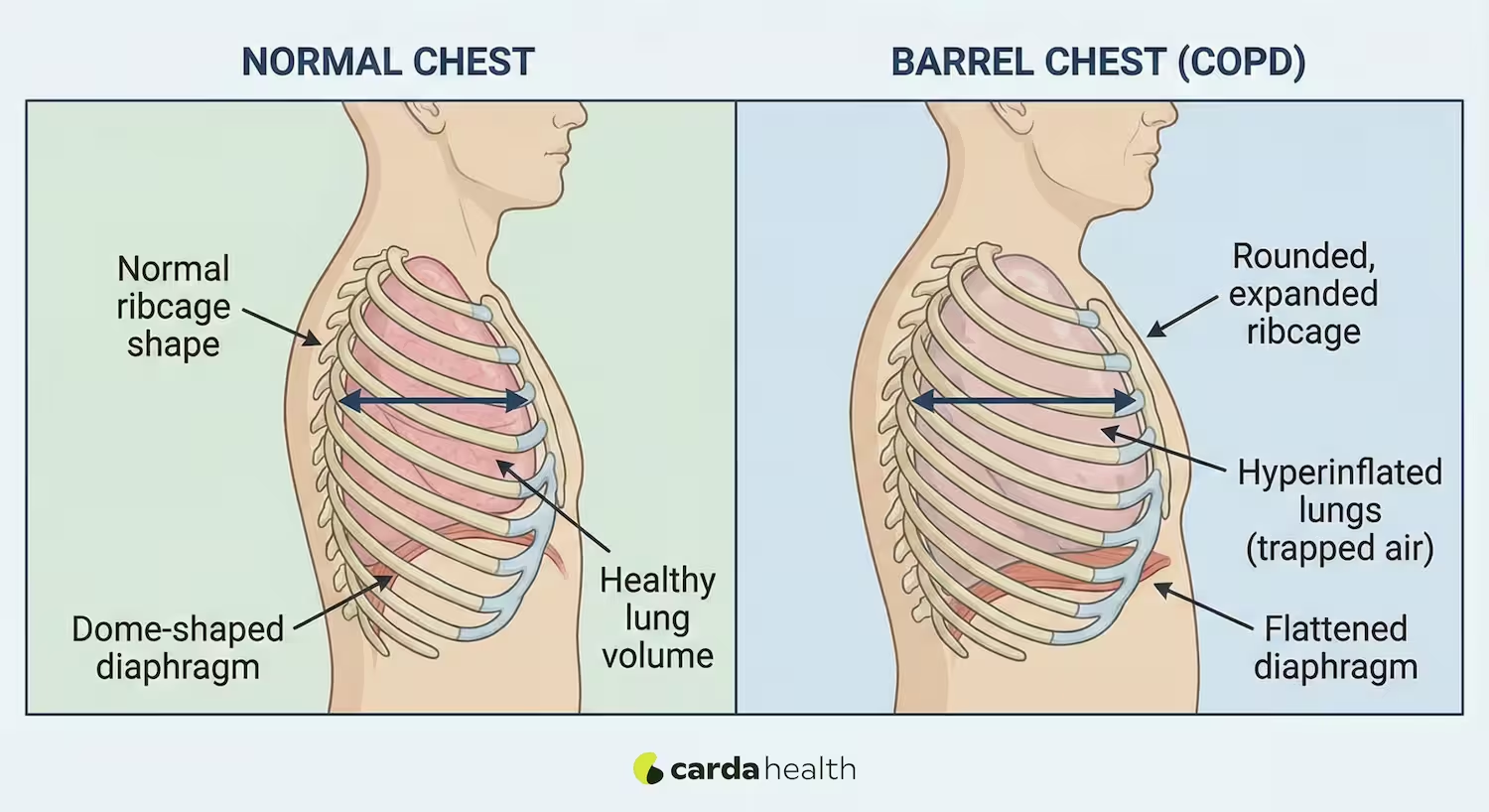
A barrel chest describes a change in the shape of the chest where it appears more rounded and wider from front to back than usual. Instead of moving in and out easily with each breath, the chest can look like it stays partially expanded all the time.
Many people don’t notice it day to day until clothes fit differently, posture changes, or breathing feels more effortful. It’s a physical sign that reflects how the lungs and chest wall have adapted over time.
Importantly, having a barrel chest does not automatically mean something dangerous is happening right now. It’s a clue that the lungs have been under long-term strain, especially in conditions like COPD, and it helps doctors understand how breathing mechanics may be changing.
Why COPD Can Cause a Barrel Chest
In COPD, especially when emphysema is present, the lungs have trouble fully emptying air when you breathe out. This is known as air trapping. Instead of deflating normally, the lungs stay partially filled with air, even after exhalation.
Over time, this trapped air causes the lungs to remain over-inflated. As the lungs stay expanded, they gently push outward on the rib cage. The chest wall slowly adapts to this constant pressure, leading to the rounded, barrel-like shape.
Another key factor is the loss of lung elasticity. Healthy lungs stretch and spring back easily. In COPD, damaged lung tissue doesn’t recoil the same way, making it harder to push air out. To compensate, the body keeps the chest in a more expanded position to help move air in and out more efficiently.
This process happens gradually, over years, not overnight, which is why barrel chest is usually seen in people with long-standing COPD rather than early stages.
Is a Barrel Chest a Sign of Severe COPD?
A barrel chest is more commonly seen in people with moderate to advanced COPD, particularly when emphysema is a major part of the disease. That said, it’s important to understand that chest shape alone does not define how severe someone’s COPD is.

Some people with significant airflow limitation never develop a noticeable barrel chest, while others may show chest changes even if their symptoms seem relatively stable. Doctors assess COPD severity using lung function tests, symptoms, flare-up history, and oxygen levels, not chest appearance alone.
It is a sign of long-term lung changes, not a direct measure of prognosis. It tells clinicians that air trapping has been present for a while, but it doesn’t predict how quickly the disease will progress or how well someone can respond to treatment.
{{get-started}}
Symptoms Often Seen Alongside Barrel Chest
A barrel chest itself does not cause symptoms, but it often appears alongside other breathing-related changes caused by COPD. These symptoms happen because over-inflated lungs make breathing less efficient and require more effort.
People with a barrel chest commonly notice:
- Increased shortness of breath, especially during activity
- Chest tightness or a feeling of not being able to fully exhale
- Ongoing fatigue, as the body uses more energy just to breathe
- Reduced exercise tolerance, such as needing to stop more often
These symptoms come from the underlying lung condition, not from the chest shape alone. Changes in symptoms, especially sudden worsening, matter more than appearance and should always be discussed with a healthcare provider.
Can a Barrel Chest Be Reversed?
In most cases, a barrel chest cannot be fully reversed. The change in chest shape is due to long-term adaptations of the lungs and rib cage caused by chronic air trapping and loss of lung elasticity. Once these structural changes develop, they tend to persist.
However, with these lifestyle changes, many people experience meaningful improvements in how they feel and function.
- Breathe more efficiently
- Reduce shortness of breath
- Improve stamina and activity tolerance
- Slow further progression of lung damage
This will not change how the chest looks, but it will help the lungs work as effectively as possible and support a better quality of life.
What Helps If You Have a Barrel Chest
Since a barrel chest may not fully reverse, the right care can make breathing easier and improve daily comfort.
Correct inhaler use: Long-acting bronchodilators keep airways open and help release trapped air. Proper technique is key to getting full benefit. Use only with your doctor’s prescription.
Oxygen therapy (when prescribed): For people with low oxygen levels, supplemental oxygen can reduce strain on the heart and body and ease symptoms.
Also Read: Oxygen Therapy for COPD: When and Why It’s Prescribed
Daily breathing and posture habits: Good posture, pacing activities, and gentle breathing techniques can improve airflow and reduce fatigue.
Pulmonary rehabilitation: Structured rehab programs help strengthen breathing muscles, improve endurance, and teach safer ways to stay active with less breathlessness.
Together, these steps focus on improving function and quality of life, not changing chest shape, but helping the lungs work more efficiently.
{{get-started}}
When to Talk to Your Doctor
If you have COPD and notice changes in your chest shape, it’s a good idea to mention it during routine visits. More importantly, you should immediately reach out to your healthcare provider if breathing symptoms begin to change or worsen.
Talk to your doctor if you notice any of these:
- Increasing shortness of breath with activities that were previously manageable
- More frequent or more severe flare-ups
- New or worsening fatigue that limits daily tasks
- A need for higher doses of inhalers or new breathing support
Your doctor may reassess lung function, review medications, or suggest additional support such as pulmonary rehabilitation or oxygen testing. Early adjustments can make a meaningful difference in comfort and safety.
Living With a Barrel Chest and COPD
Living with a barrel chest can be emotionally challenging, especially if it changes how your body looks or how confident you feel moving around. But it’s important to remember that this change reflects how your lungs have adapted over time, not something you caused or could have prevented on your own.
By focusing on what you can control: staying engaged in care, managing symptoms early, and building routines that support breathing and energy levels, you can live an active and meaningful life.
Also Read: 7 Pulmonary Rehab Exercises You Can Do at Home
Conclusion
A barrel chest can be an unsettling change to notice, but it’s best understood as a sign of long-standing lung adaptation rather than a sudden or dangerous development. While the chest shape itself may not reverse, the way you breathe, move, and feel can often improve with the right care.
With regular medical follow-up, pulmonary rehab support, and symptom-focused management, many people with COPD and barrel chest continue to stay active and engaged in daily life.
CardaHealth offers a virtual pulmonary rehab program that can help you manage COPD effectively with expert-care while staying in the comfort of your own home.
FAQs
Is barrel chest permanent?
In most cases, yes. The chest shape usually does not return to normal, but symptoms and breathing efficiency can improve with proper management.
Does a barrel chest mean my COPD is getting worse?
Not necessarily. It often reflects long-term changes rather than sudden progression. Doctors rely on lung tests and symptoms, not chest shape alone, to judge disease severity.
Can exercises fix a barrel chest?
Exercises cannot change chest shape, but pulmonary rehabilitation and breathing techniques can improve posture, breathing control, and daily function.
Is a barrel chest dangerous by itself?
No. A barrel chest itself is not dangerous, but it signals underlying lung changes that should be managed with medical guidance.
References:
https://www.mayoclinic.org/diseases-conditions/copd/symptoms-causes/syc-20353679
https://www.medicalnewstoday.com/articles/314967
https://www.nhs.uk/conditions/chronic-obstructive-pulmonary-disease-copd/
https://www.ncbi.nlm.nih.gov/books/NBK482217/
https://goldcopd.org/