COPD Exacerbations: Symptoms, Treatment, Prevention
.avif)
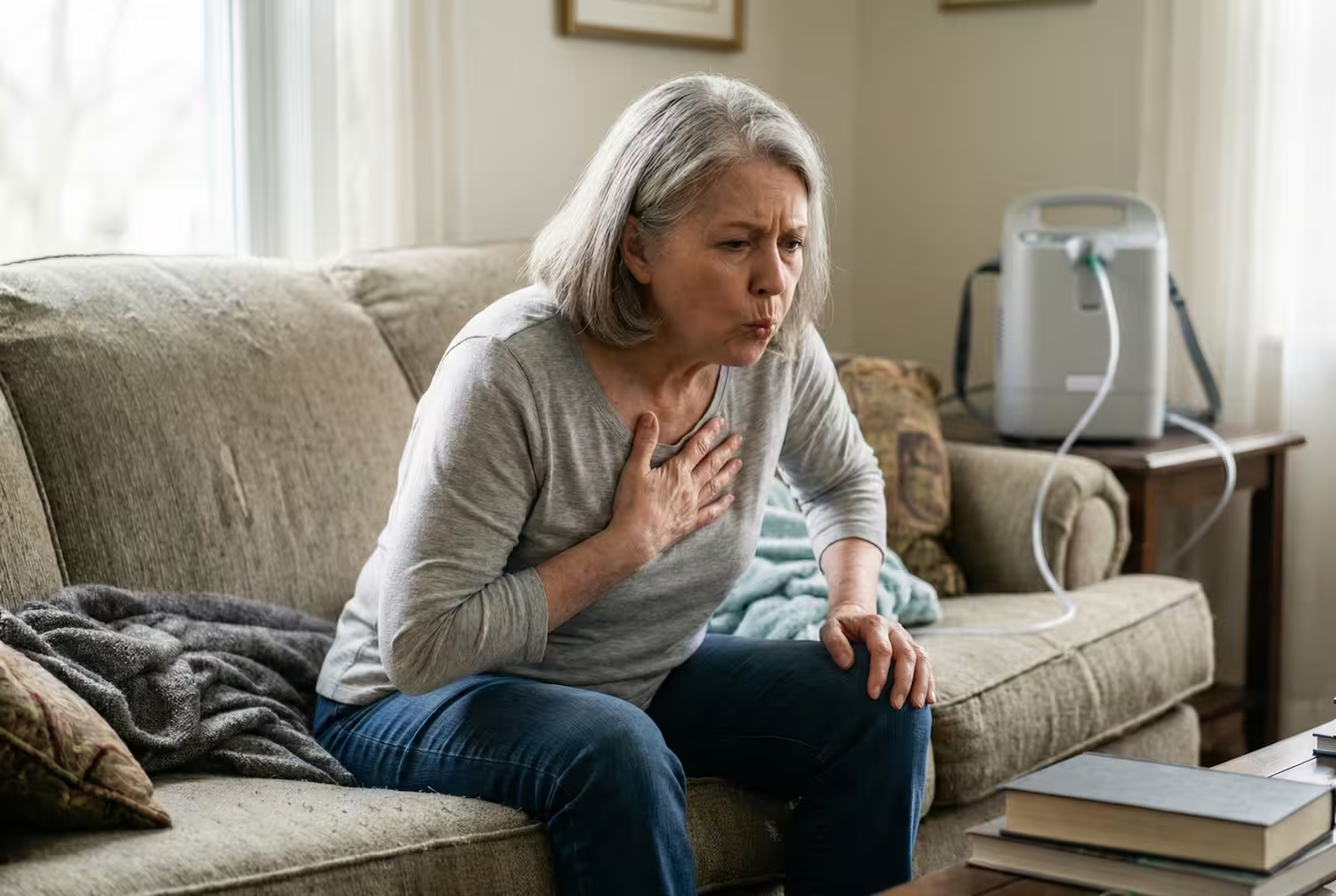
A COPD exacerbation, often called a flare-up, happens when your breathing suddenly becomes much worse than usual. You may cough more, feel extremely out of breath, or notice thicker mucus. It can feel frightening, but recognizing symptoms early and knowing what to do can prevent a flare-up from becoming an emergency, and can help you get a suitable treatment quickly.
Globally, studies show 30–50% of COPD patients have at least one exacerbation each year. Those with frequent exacerbations (≥ 2 per year) face faster lung-function decline, more hospitalizations, and lower quality of life.
This guide explains what causes COPD flare-ups, how doctors treat them, and what you can do to prevent future episodes.
What Are The Symptoms Of COPD Exacerbation?
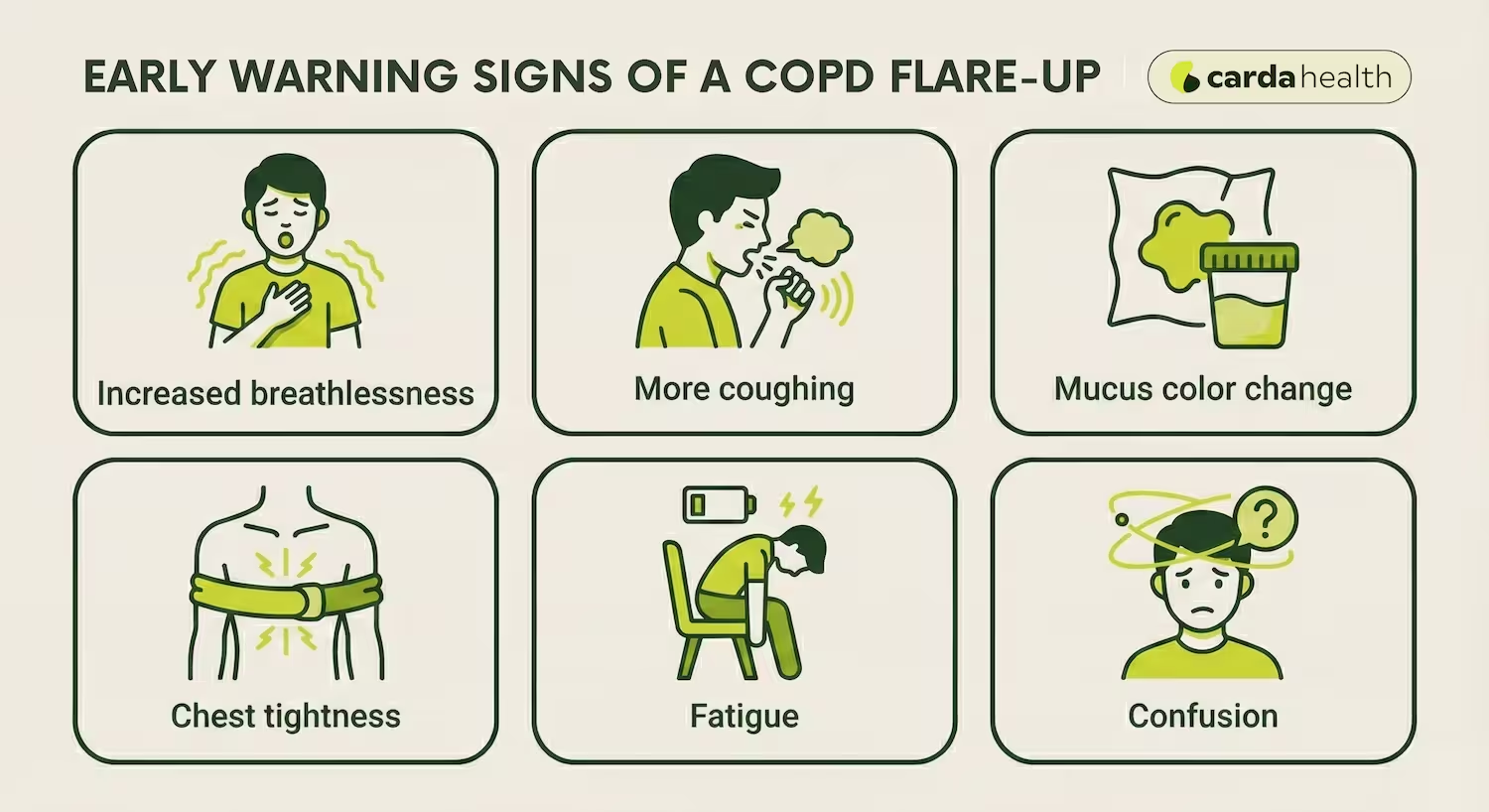
Warning signs of a flare-up include:
- Severe Coughing
- Feeling more out of breath than usual
- Unusual Wheezing
- Having more mucus/sputum than on normal days
- Swollen ankles
- Changes in the colour of your phlegm
- Feeling very tired (fatigued)
- Difficulty exercising or being active
- Feeling confused
When To Seek Medical Help Immediately? Red Flags
When you have all these symptoms along with severe shortness of breath or chest pain, confusion or trouble speaking clearly, or bluish lips or fingertips, it is dangerous. Call emergency services and get medical help as soon as possible.
Confusion can be an early warning sign that oxygen levels are too low, and you can try immediate steps to increase oxygen levels at home.
What Causes A Flare-up?
Most flare-ups are caused by respiratory infections, especially viruses or bacteria, but air pollution, smoke exposure, cold weather, and not taking medications as prescribed can also trigger exacerbations.
{{get-started}}
How Is COPD Exacerbation Different From COPD In General?
COPD is always there; it’s the day-to-day lung condition that differs. A COPD exacerbation is nothing new, but when symptoms of existing COPD suddenly get much worse: breathing becomes harder, coughing spikes, mucus changes, or oxygen drops, we call it an exacerbation episode. It feels like your lungs “shut down” quickly and usually need faster treatment.
Also Read: How Fast Does COPD Progress?
COPD Exacerbation Treatment & Management
Treatment focuses on quickly opening the airways, reducing inflammation, treating infections, and restoring oxygen levels. Treatment depends on the intensity of the flare-up. Doctors may recommend:
- Short-acting bronchodilators (quick-relief inhalers)
- Steroids to reduce airway swelling
- Antibiotics are used if a bacterial infection is suspected
- Oxygen therapy if oxygen levels drop
- Hospital care or non-invasive ventilation in severe cases
Can You Manage a COPD Flare-Up at Home?
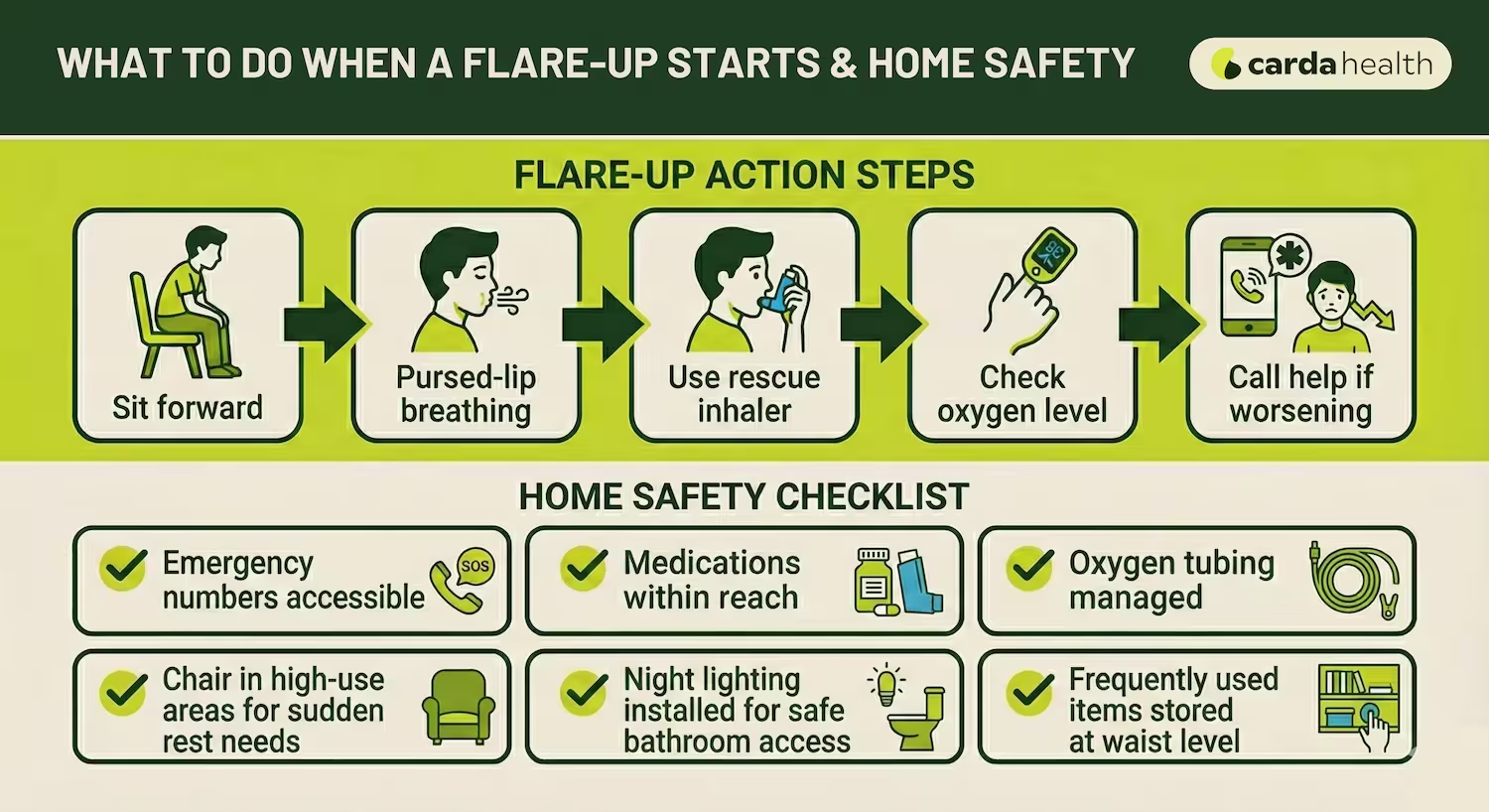
You can take the following measures to help you or your patient manage the flare-up until it's severe and needs immediate medical assistance.
Keep a rescue pack at home, with steroids and some antibiotics prescribed by your doctor. At the first sign of a flare-up, start the pack right away, follow the instructions carefully, and contact your doctor or nurse as soon as possible.
If someone is caring for you, ask them to watch for changes in speech, behavior, or alertness. Confusion can be an early warning sign that oxygen levels are too low.
Also Read: How to manage COPD at home?
You can also avail a virtual ward facility where hospital-level care is provided in your own home. A specialized health provider team takes care of you, helps you manage the symptoms, and also gives you emergency care right at home.
{{get-started}}
How To Prevent COPD Exacerbation?
You can lower your risk of flare-ups by avoiding triggers, staying up to date with vaccines, taking medications correctly, following a personalized action plan created by your healthcare provider, and making necessary changes to your lifestyle. These steps help protect your lungs and keep breathing more stable.
Things to Avoid That Can Trigger a Flare-Up
- Avoid staying very close to people experiencing cold, flu, COVID, RSV, or any other chest infections.
- Quit smoking cigarettes or vaping.
- Avoid chemical fumes/pollutants/ or smoke from other smokers
- Stay away from strong perfume, air spray, cleaning spray, dust, allergens, and pollens
- Cold weather: cold air can tighten the muscles around the airways, so manage yourself in extreme weather conditions.
Quitting smoking, even later in life, is one of the most effective ways to reduce flare-ups and protect remaining lung function.
In the US, 50% of the COPD patients experience at least one flare-up per year, and 20% of them are severe. In case you have experienced multiple flare-ups over time, talk to your doctor or healthcare provider. They may change your treatment plan or give you a customised care plan that can help you avoid future COPD flare-ups.
Final Words
COPD flare-ups can feel scary, but recognizing the signs early and having a plan can prevent complications and help you recover faster. With medication, lifestyle adjustments, and the right support, many people stay stable and active for years. You’re not alone; help is always available.
Carda Health offers virtual pulmonary rehab to improve breathing and help prevent flare-ups, from the comfort of home.
FAQs
What are the COPD exacerbation symptoms?
Severe coughing, increased breathlessness, more or darker mucus, new wheezing, fever, or confusion are common signs of a COPD flare-up. If breathing becomes extremely hard or lips turn blue, seek emergency care immediately.
How to prevent COPD flare-ups?
Use your reliever inhaler right away, start your rescue pack, sit upright, stay calm, drink some water, and call your doctor the same day.
Can a COPD exacerbation be life-threatening?
Yes, a COPD flare-up can be dangerous and may put you in the hospital if breathing becomes too hard, but with quick action, it usually doesn’t get that far.
What are the three cardinal signs of COPD exacerbation?
According to doctors, it is a flare-up when you are experiencing worse shortness of breath, more cough, and a change in the colour or volume of mucus over two days of severe symptoms in a row.
References
https://www.copd.com/copd-progression/copd-exacerbations/
https://pmc.ncbi.nlm.nih.gov/articles/PMC7134993/
https://pmc.ncbi.nlm.nih.gov/articles/PMC11029392/