
Key Takeaways
A heart attack and heart failure are different problems that are easy to confuse. A heart attack is a sudden emergency in which a blocked artery cuts off blood flow to part of the heart muscle, a “plumbing” problem that requires calling 911 right away. Heart failure is a long-term condition in which the heart muscle is too weak or stiff to pump blood efficiently, a “pump” problem managed over time with medication, lifestyle changes, and cardiac rehabilitation. The two are connected: a heart attack can lead to heart failure, but you can have heart failure without ever having a heart attack.
A heart attack and heart failure are two of the most commonly confused terms in heart health, and that confusion is completely understandable. The words look almost identical, both are serious, and both involve the heart not doing its job. But they are different problems with different causes, symptoms, and treatments. Understanding the difference can help you know what’s happening in your body and, just as importantly, when to act.
Below, we break it down in plain language, the way a cardiologist would explain it across the kitchen table.
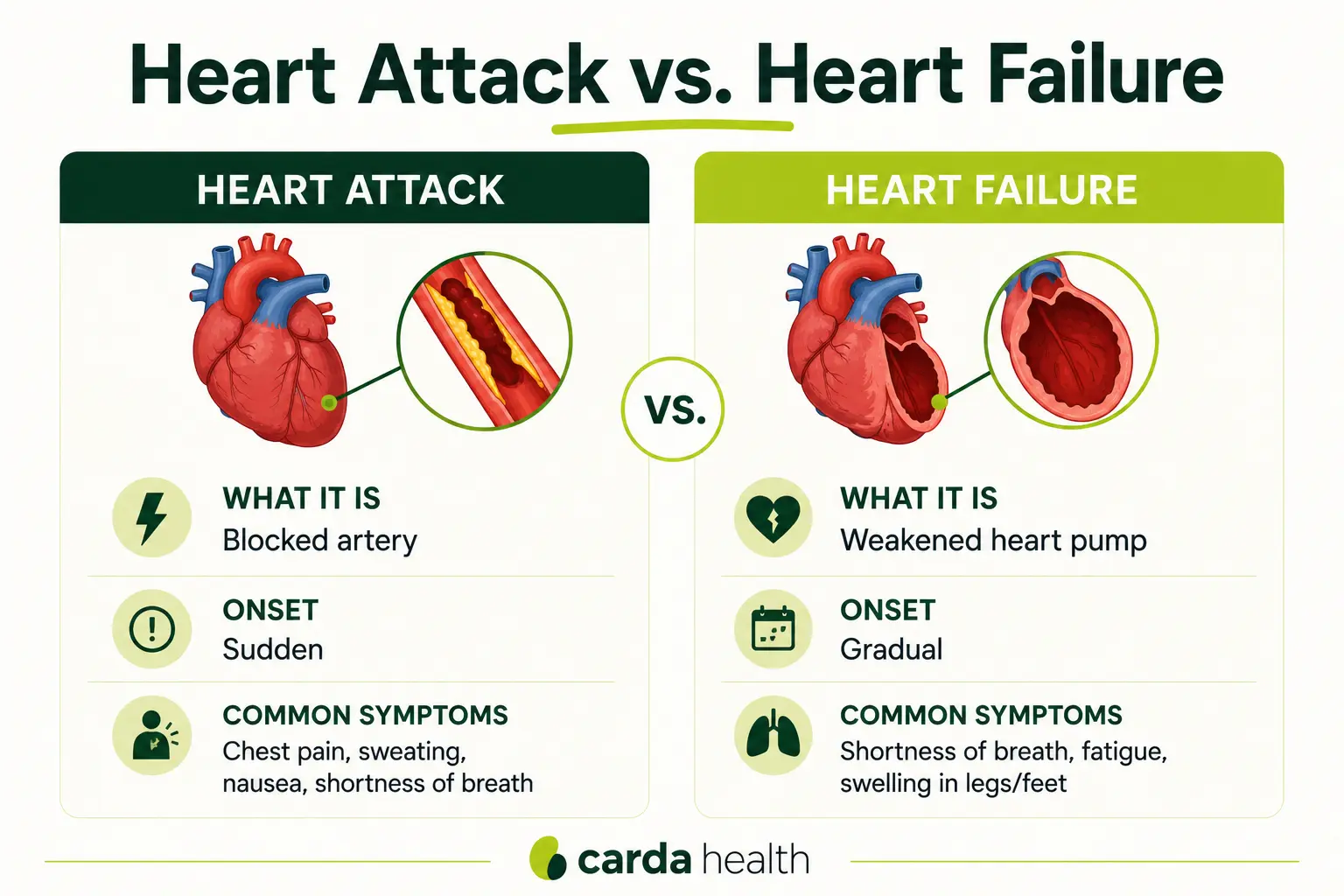
Heart Failure vs. Heart Attack at a Glance
What Is a Heart Attack?
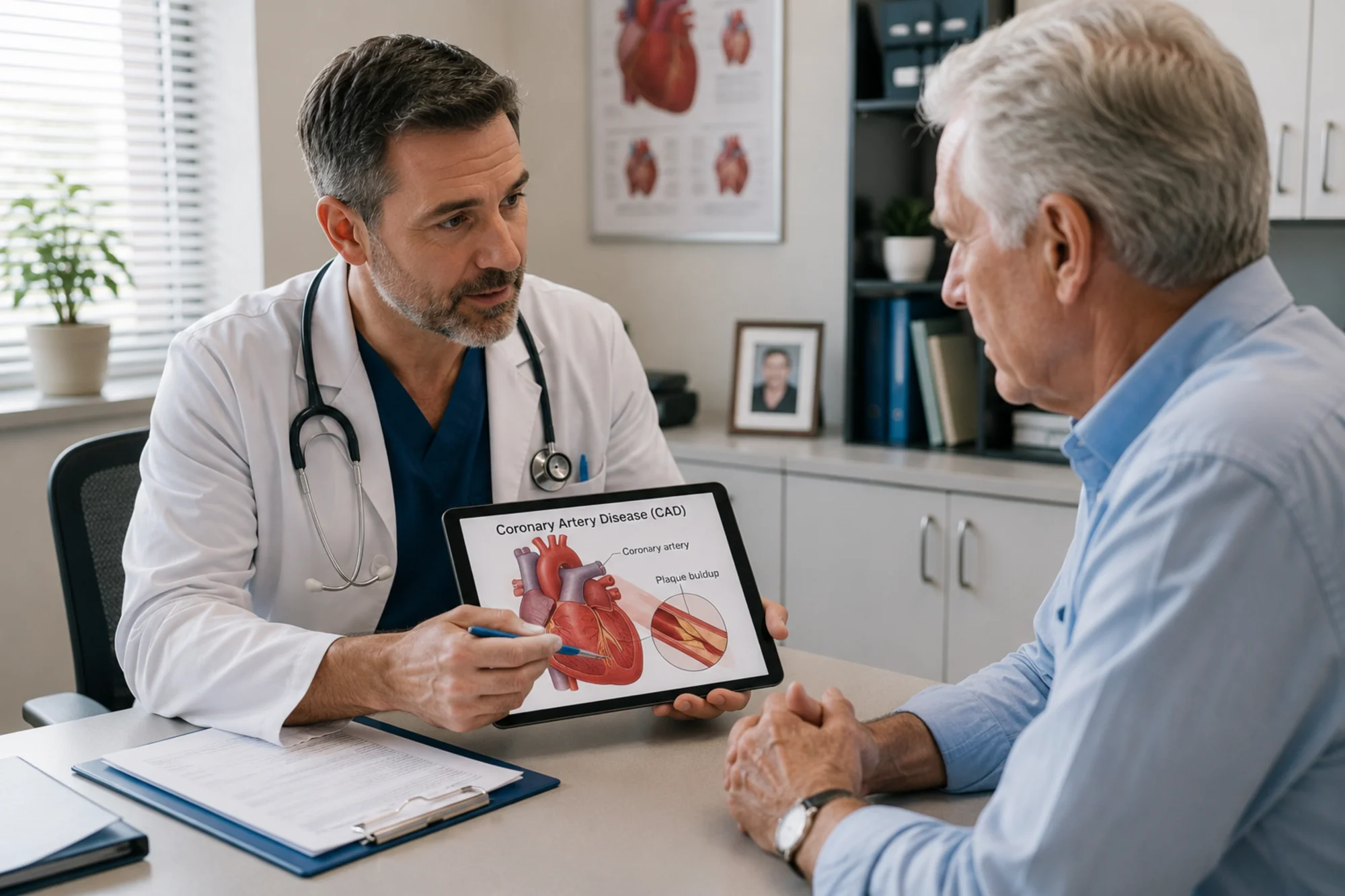
A heart attack, known medically as a myocardial infarction (MI), happens when blood flow to part of the heart muscle is suddenly blocked. The heart has its own network of blood vessels, the coronary arteries, that feed the heart muscle itself. When one becomes blocked, that section of muscle is starved of oxygen and begins to die. As the Mayo Clinic explains, this is why a heart attack is a time-critical emergency: the faster blood flow is restored, the more heart muscle can be saved.
The usual culprit is coronary artery disease, in which fatty plaque builds up inside the arteries over years. When a piece of plaque ruptures, the body forms a blood clot at the site, and that clot can suddenly seal off the artery. This is the “plumbing problem” in action: the pipe is blocked, and pressure builds fast.
To put the scale in perspective, the Centers for Disease Control and Prevention (CDC) estimates that roughly 805,000 people in the United States have a heart attack each year.
Heart Attack Symptoms
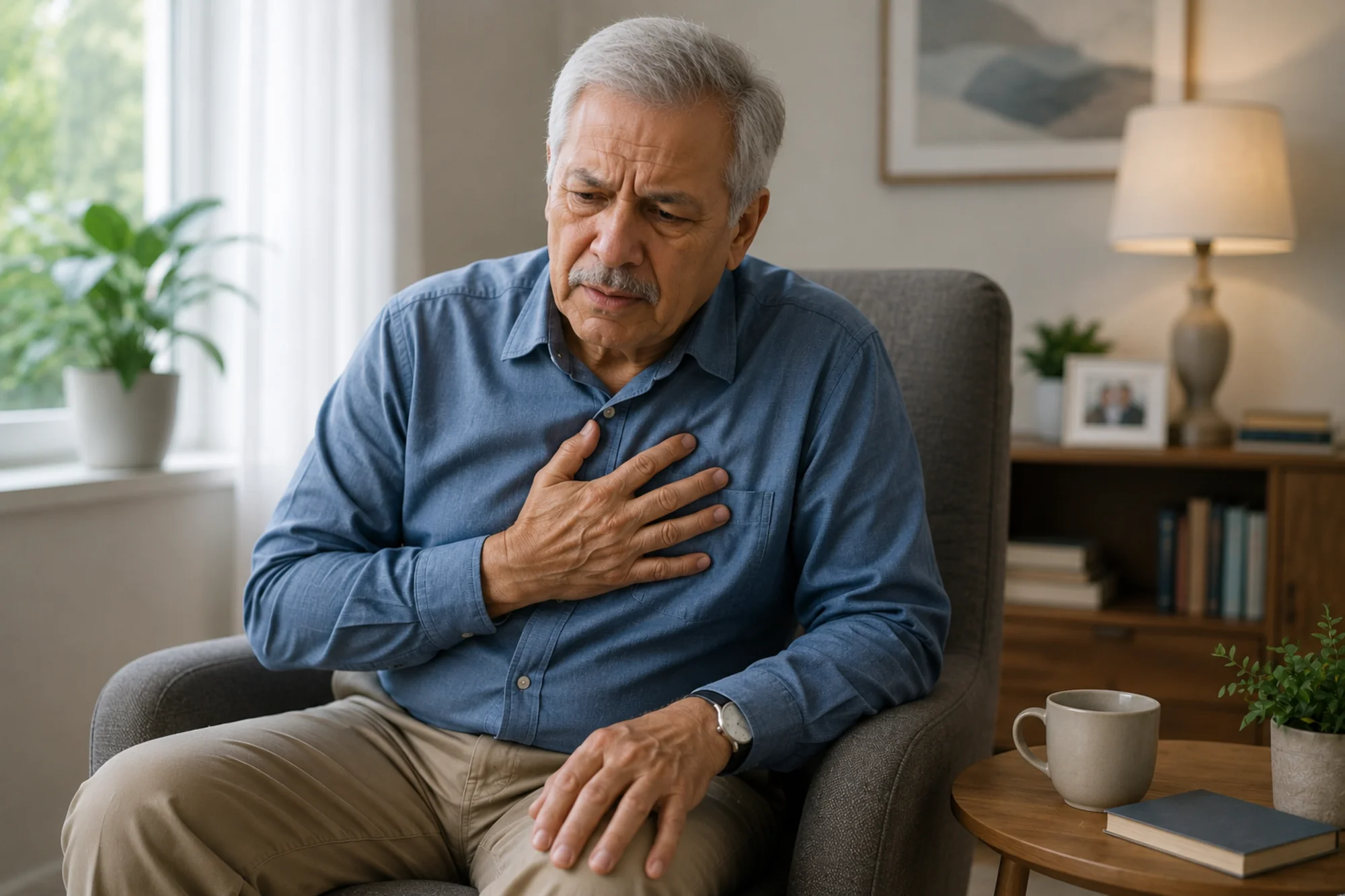
Heart attack symptoms tend to come on suddenly and feel intense. According to the American Heart Association (AHA), the most common include:
- Chest pain or pressure, squeezing, fullness, or a heavy weight, lasting more than a few minutes or coming and going
- Pain spreading to the arm (often the left), shoulder, jaw, neck, back, or upper stomach
- Shortness of breath, with or without chest discomfort
- Cold sweat, nausea, or lightheadedness
Importantly, not everyone has “classic” chest pain. Women, older adults, and people with diabetes are more likely to have subtle or “silent” heart attacks, where the main clues are unexplained fatigue, indigestion-like discomfort, or sudden weakness. When in doubt, treat it as an emergency.
Also read: life expectancy after a silent heart attack.
What Is Heart Failure?
Heart failure, sometimes called congestive heart failure (CHF), does not mean the heart has stopped. It means the heart muscle can no longer pump blood as efficiently as the body needs, usually because it has become too weak or too stiff. As the Cleveland Clinic notes, this is a long-term condition that tends to develop and progress gradually.
This is the “pump problem.” When the pump weakens, blood and fluid can back up into the lungs, legs, and abdomen, which is where the word congestive comes from. Doctors often describe heart failure using ejection fraction, a measure of how much blood the heart pumps with each beat. The 2022 AHA/ACC/HFSA Heart Failure Guideline classifies heart failure largely by this number, distinguishing reduced ejection fraction (a weak pump) from preserved ejection fraction (a stiff pump).
Learn more in our guide on systolic vs. diastolic heart failure.
Heart Failure Symptoms
Because heart failure develops slowly, its symptoms are easy to mistake for normal aging or being “out of shape.” Per the American Heart Association, common signs include:
- Shortness of breath, especially during activity or when lying flat
- Fatigue and reduced ability to exercise
- Swelling (edema) in the legs, ankles, feet, or abdomen
- Rapid weight gain from fluid buildup
- Persistent cough or wheezing, sometimes with pink, frothy mucus
- A rapid or irregular heartbeat and increased nighttime urination
For a fuller breakdown, see our detailed guide to heart failure symptoms.
The Key Differences, Explained
Timing: Sudden vs. Gradual
This is the single clearest difference. A heart attack strikes suddenly, symptoms can escalate within minutes. Heart failure usually creeps in slowly, worsening over weeks, months, or years. One exception: acute heart failure can come on quickly, often after a heart attack, more in our overview of acute heart failure.
Underlying Cause
A heart attack is almost always a blockage problem, a clot stopping blood flow. Heart failure is a muscle problem, the pump itself is weakened or stiffened. Heart failure has many possible causes, including a previous heart attack, long-standing high blood pressure, valve disease, abnormal heart rhythms, and cardiomyopathy (disease of the heart muscle).
Symptoms and Where They Overlap
Both conditions can cause shortness of breath and a racing heart, which is part of why they’re confused. The key distinction: a heart attack’s signature is sudden, intense chest pain or pressure, while heart failure’s signature is gradual swelling, fatigue, and breathlessness driven by fluid buildup. If someone already living with heart failure suddenly feels much worse, especially with new chest pain, that can signal a heart attack and needs emergency evaluation.
Treatment and Outlook
For a heart attack, the goal is speed, reopen the blocked artery as fast as possible. As described by the National Heart, Lung, and Blood Institute (NHLBI), emergency treatment may include aspirin, clot-dissolving drugs, or angioplasty with a stent to prop the artery open. Many people recover well when treated quickly.
For heart failure, the goal is management over time. There’s no simple cure, but medications, a low-sodium diet, daily monitoring, and cardiac rehabilitation can help people feel better and live longer. Some people even see their heart function improve, a question we explore in can heart failure be reversed?
Can a Heart Attack Cause Heart Failure?
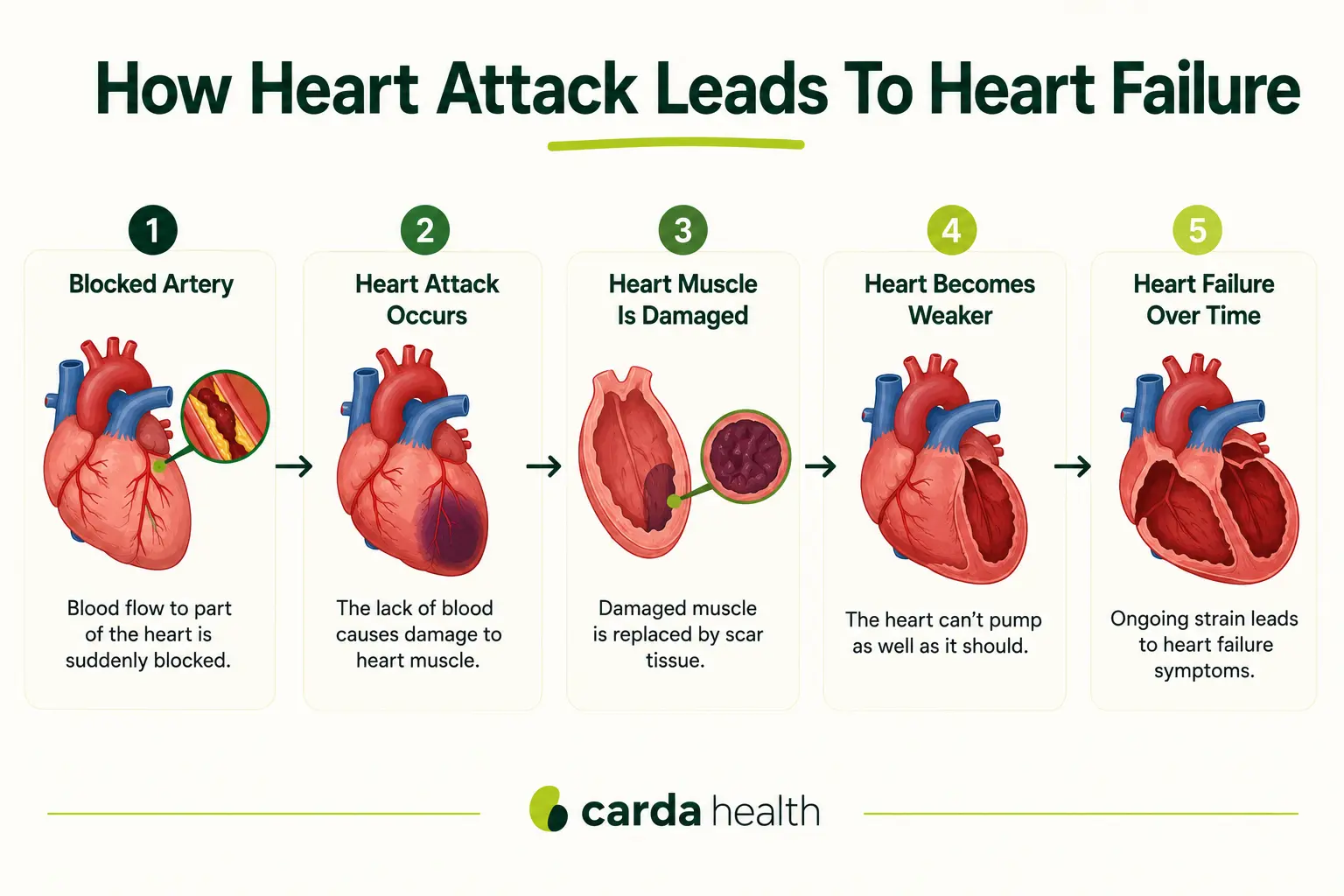
Yes, this is one of the most important connections to understand. When a heart attack damages or kills part of the heart muscle, the remaining muscle has to work harder. Over time, that strain can weaken the pump and lead to heart failure. In fact, a prior heart attack is one of the leading causes of heart failure.
But the relationship isn’t guaranteed in either direction. Not everyone who has a heart attack develops heart failure, especially when the blockage is treated quickly and little muscle is lost. And plenty of people develop heart failure without ever having a heart attack, often from high blood pressure or other chronic conditions.
A Quick Note on Cardiac Arrest
A third term often gets thrown into this mix: cardiac arrest. It’s an electrical problem, the heart’s rhythm suddenly fails and the heart stops beating entirely, causing the person to collapse and lose consciousness. It is a different event from both a heart attack (a blockage) and heart failure (a weak pump), though a severe heart attack can sometimes trigger it. Cardiac arrest requires immediate CPR and a defibrillator (AED). If someone collapses and isn’t breathing normally, call 911 and start CPR right away.
Also read: Cardiac Arrest vs. Heart Attack
When to Call 911
When it comes to a possible heart attack, never wait to “see if it passes.” Call 911 immediately if you or someone near you has:
- Chest pain or pressure lasting more than a few minutes, or that goes away and returns
- Pain spreading to the arm, jaw, neck, back, or stomach
- Sudden shortness of breath, with or without chest discomfort
- Cold sweat, nausea, lightheadedness, or fainting
- For someone with known heart failure: rapidly worsening breathlessness, sudden weight gain, or coughing up pink, frothy mucus
Calling 911 is safer than driving yourself, paramedics can begin life-saving treatment on the way to the hospital. It is always better to be checked and reassured than to wait too long.
Recovery and Long-Term Heart Health
Whether you’re recovering from a heart attack or learning to manage heart failure, what happens next matters enormously, and the path forward is often similar. For both conditions, cardiac rehabilitation is one of the most powerful, evidence-based tools for getting stronger and lowering the risk of future events.
Cardiac rehab is a medically supervised program that combines monitored exercise, education, nutrition guidance, and emotional support, tailored to your specific heart condition. For heart attack survivors it’s considered standard of care; for people with heart failure it can improve strength, stamina, and quality of life. Read more in our guide to cardiac rehab after a heart attack.
Carda Health’s virtual cardiac rehab program makes it possible to complete a full rehabilitation program from home, with supervised at-home sessions, remote vitals monitoring, and the same dedicated clinician throughout. It’s the same proven care, minus the commute.
Conclusion
A heart attack and heart failure are easy to confuse, but the distinction is simple once you have the right mental model: a heart attack is a sudden plumbing problem, while heart failure is a long-term pump problem. They can be connected, a heart attack can lead to heart failure, but each calls for a different response. A heart attack is an emergency that needs care right now; heart failure is a condition you manage steadily over time, ideally with a strong cardiac rehab program.
Wherever you are on your heart-health journey, you don’t have to navigate recovery alone. The event or diagnosis may be behind you, but the opportunity to protect your heart is right now.
{{get-started}}
Frequently Asked Questions
Which is worse, a heart attack or heart failure?
They’re serious in different ways. A heart attack is a sudden, life-threatening emergency that requires immediate care. Heart failure is a long-term condition that, while not curable, can often be well-managed for many years. One isn’t simply “worse”, they call for different responses.
What’s the difference between a heart attack, heart failure, and cardiac arrest?
A heart attack is a blockage (blood can’t reach the heart). Heart failure is a weak pump (the heart can’t circulate blood efficiently). Cardiac arrest is an electrical failure (the heart stops beating suddenly). All three are serious but have different causes and treatments.
Can you have heart failure without ever having a heart attack?
Absolutely. Many people develop heart failure from causes unrelated to a heart attack, such as long-standing high blood pressure, valve disease, irregular rhythms, or cardiomyopathy.
How do I know if it’s a heart attack or just heart failure symptoms?
Sudden, intense chest pain or pressure points toward a heart attack and is an emergency, call 911. Gradual swelling, fatigue, and breathlessness that build over time are more typical of heart failure. If you have heart failure and symptoms worsen suddenly or you develop new chest pain, seek emergency care.
Can heart failure be reversed after a heart attack?
In some cases, heart function can improve with the right medications, lifestyle changes, and cardiac rehab, though treatment usually needs to continue long-term. Whether improvement is possible depends on the cause and how much heart muscle was affected.
Does cardiac rehab help with both conditions?
Yes. Cardiac rehabilitation benefits people recovering from a heart attack and those living with heart failure, improving strength, stamina, and overall heart health while lowering the risk of future events.
References
- American Heart Association. Warning Signs of a Heart Attack.
- American Heart Association. Warning Signs of Heart Failure.
- Heidenreich PA, Bozkurt B, Aguilar D, et al. 2022 AHA/ACC/HFSA Guideline for the Management of Heart Failure. Circulation. 2022;145(18):e895–e1032.
- Mayo Clinic. Heart attack: Symptoms & causes.
- Cleveland Clinic. Heart Failure: Understanding Heart Failure.
- National Heart, Lung, and Blood Institute (NHLBI). Heart Attack: Treatment.
- Centers for Disease Control and Prevention. Heart Disease Facts.