Cardiopulmonary Rehabilitation: Complete Guide 2026

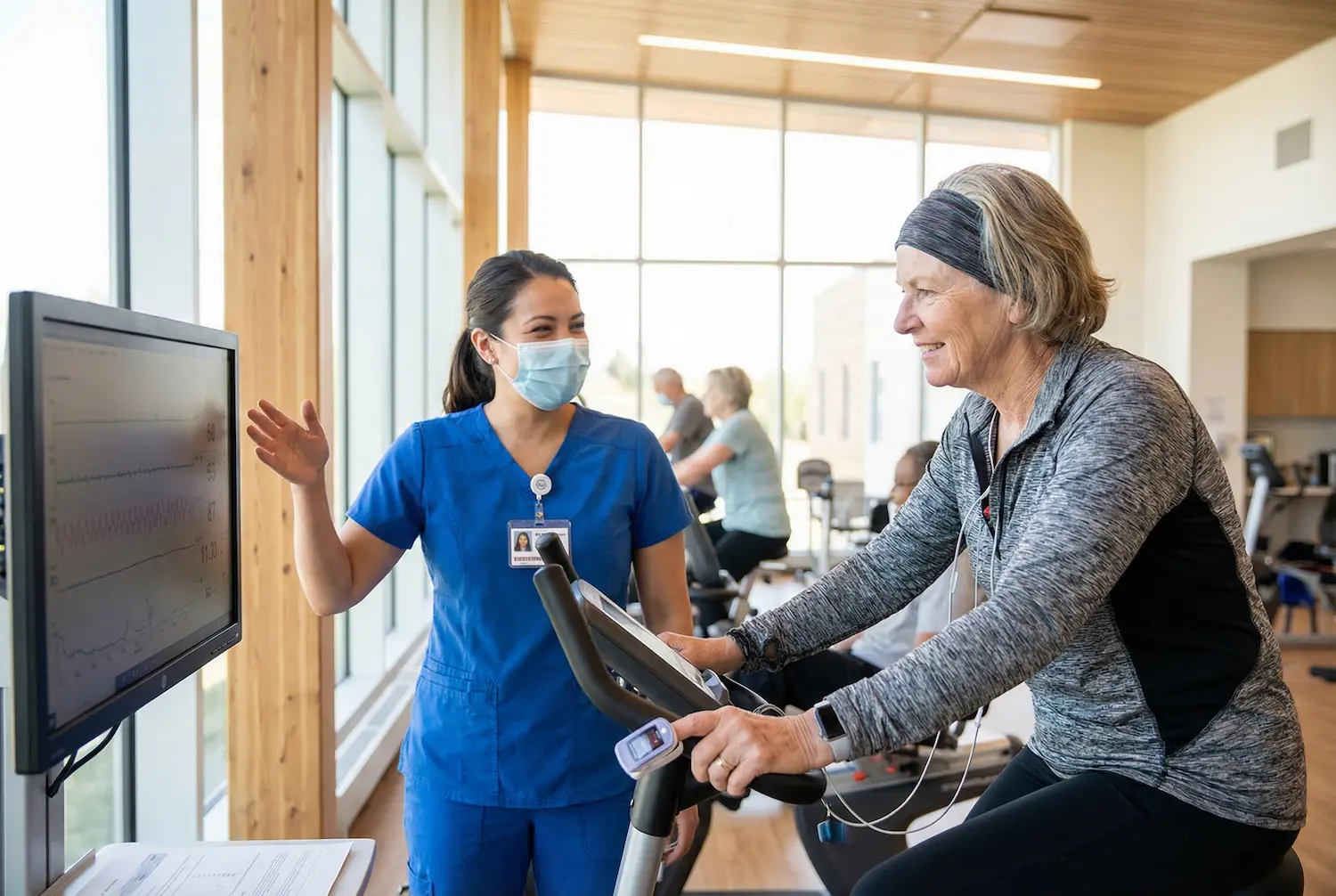
Cardiopulmonary rehabilitation is a medically supervised program that addresses both heart and lung disease simultaneously — combining structured exercise, breathing techniques, nutritional guidance, and psychological support into a single, coordinated care plan. It is designed for patients whose conditions affect both the cardiac and pulmonary systems, allowing them to rebuild strength, endurance, and quality of life without having to choose between two separate programs that each treat only half of their health picture.If you or someone you love is managing a condition like COPD alongside heart failure — or recovering from a cardiac event while also dealing with chronic lung disease — this guide explains everything you need to know about cardiopulmonary rehab: what it is, what it includes, who qualifies, and how you can access it from home.
What Is Cardiopulmonary Rehabilitation?
To understand why cardiopulmonary rehab exists, it helps to understand what the cardiopulmonary system actually does. Your heart and lungs don't operate independently — they work as a single, interdependent unit. The heart pumps blood; the lungs oxygenate it. When one fails, the other compensates, and eventually, the strain shows up in both.
Traditional rehabilitation programs were built around one condition at a time. Cardiac rehab focuses on heart disease. Pulmonary rehab focuses on lung disease. That made sense when the two were treated as separate problems — but for a large and growing population of patients, they aren't separate at all.
Cardiopulmonary rehabilitation bridges that gap. It is a structured, evidence-based program that integrates the clinical goals, exercise modalities, monitoring protocols, and education components of both cardiac and pulmonary rehab into a single coordinated plan. The result is a program that reflects how your body actually works — not how hospital departments are organized.
The core components of a cardiopulmonary rehab program include:
- Aerobic and resistance exercise tailored to your current functional capacity
- Breathing exercises and airway clearance techniques to improve pulmonary function
- Continuous physiological monitoring (heart rate, oxygen saturation, blood pressure) during exercise
- Nutritional counseling to support weight management and reduce cardiac and inflammatory load
- Stress management and mental health support, including tools for managing anxiety and depression that commonly accompany chronic cardiopulmonary disease
- Disease-specific education covering medication adherence, symptom recognition, and self-management strategies
{{get-started}}
How Common Are Combined Heart and Lung Conditions?
More common than most people — including many physicians — realize.
Approximately 30% of patients with COPD also have heart disease, and the relationship runs in both directions. Chronic hypoxia from lung disease strains the heart. Heart failure causes fluid backup that compromises the lungs. The result: patients cycle between cardiac and pulmonary crises, each making the other worse. Learn more about COPD and heart failure.
📖 Also Read: COPD and Heart Failure: Understanding the Connection
Who Qualifies for Cardiopulmonary Rehabilitation?
Eligibility for cardiopulmonary rehab typically applies to patients managing one or more of the following:
Cardiac conditions:
- Coronary artery disease (CAD)
- Heart failure with reduced or preserved ejection fraction (HFrEF / HFpEF)
- Post-myocardial infarction (heart attack) recovery
- Post-cardiac surgery or percutaneous coronary intervention (PCI/stenting)
- Stable angina
- Cardiomyopathy
Pulmonary conditions:
- Chronic obstructive pulmonary disease (COPD) — including emphysema and chronic bronchitis — at any of the 4 COPD stages
- Chronic asthma
- Post-COVID respiratory dysfunction
- Pulmonary hypertension
- Interstitial lung disease (ILD)
Combined/comorbid presentations:
- Patients with documented diagnoses in both categories
- Patients whose cardiac disease is complicated by respiratory compromise (or vice versa)
- Patients who have been referred to one program but whose full clinical picture suggests benefit from an integrated approach
In general, cardiopulmonary rehab is appropriate for any medically stable patient with chronic cardiopulmonary disease who has functional limitations and would benefit from a supervised, progressive exercise and education program. A physician referral is typically required, and a clinical assessment is conducted before the program begins to establish baseline function and individualize the care plan.
What Does a Cardiopulmonary Rehab Program Include?
Exercise Training
Exercise is the clinical cornerstone of cardiopulmonary rehabilitation — and also the component patients most frequently underestimate. This is not generic fitness programming. Every session is individually prescribed based on your cardiac function, lung capacity, oxygen requirements, and comorbidity profile. See also: cardiac rehab exercises and pulmonary rehab exercises.
Breathing Techniques and Airway Management
Breathing retraining is a cornerstone of the pulmonary component and provides additional benefit for cardiac patients who experience dyspnea (shortness of breath). Techniques typically include:
- Pursed-lip breathing — slows the breath, reduces air trapping, and lowers the work of breathing
- Diaphragmatic (belly) breathing — shifts the breathing pattern from the upper chest to the diaphragm, improving efficiency and reducing anxiety
- Controlled coughing and airway clearance — critical for patients with mucus-producing conditions like chronic bronchitis
- Paced breathing during activity — teaches patients to synchronize breath with movement to reduce dyspnea during daily tasks
For patients using supplemental oxygen, oxygen therapy for COPD plays an integrated role in the rehabilitation plan — ensuring adequate saturation during exercise without unnecessarily restricting effort.
Monitoring and Clinical Oversight
Throughout every exercise session, clinicians track:
- Heart rate and rhythm — to ensure cardiac safety during exertion
- Oxygen saturation — particularly critical for patients with COPD or interstitial lung disease (learn about how to increase oxygen levels)
- Blood pressure response — to detect exertional hypertension or hypotension
- Perceived exertion and symptom scores — to calibrate intensity to what the patient can sustain and build on
📖 Also Read: Cardiac Rehab Exercises: A Complete Guide
Nutritional Counseling
Diet profoundly affects both heart and lung disease. A registered dietitian or nutritionist typically addresses:
- Anti-inflammatory eating patterns (Mediterranean-style diet) that reduce cardiovascular risk
- Sodium restriction for heart failure management
- Weight optimization — both obesity and unintentional weight loss (common in advanced COPD) create distinct management challenges
- Fluid intake management, particularly relevant for heart failure patients
- Nutritional timing around exercise sessions
Psychological Support and Stress Management
Anxiety and depression are dramatically underdiagnosed and undertreated in cardiopulmonary patients. Studies consistently find that 30–50% of patients with heart failure or COPD experience clinically significant anxiety or depression — both of which worsen physical outcomes, reduce medication adherence, and increase hospitalization risk.
Cardiopulmonary rehab directly addresses the psychological dimension through:
- Cognitive behavioral techniques for managing health anxiety and dyspnea-related fear
- Relaxation training, including progressive muscle relaxation and guided breathing
- Peer support and community — a frequently cited benefit of group-based rehab formats
- Education and self-efficacy building — helping patients understand their conditions and feel confident managing them
Education and Self-Management
Knowledge is a clinical intervention. Patients who understand their conditions, recognize early warning signs, and know how to respond make better decisions — and have fewer hospitalizations. Education in cardiopulmonary rehab typically covers:
- Understanding your diagnoses and how they interact
- Medication management and adherence
- Recognizing exacerbation warning signs for both cardiac and pulmonary conditions
- Reviewing the 4 stages of congestive heart failure and what to expect as your condition evolves
- Emergency action plans
- Activity pacing and energy conservation strategies
- Smoking cessation support
The 4 Phases of Cardiopulmonary Rehabilitation
Cardiopulmonary rehab follows the same phased structure as cardiac rehab, adapted to include pulmonary components throughout.
Phase 1: Inpatient (Hospital)
Begins while the patient is still hospitalized following a cardiac event, surgery, or severe exacerbation. Goals are mobilization, early functional recovery, risk factor education, and discharge planning. This phase is typically brief (days, not weeks).
Phase 2: Early Outpatient (Supervised)
The primary active rehabilitation phase. Typically 12–36 sessions conducted over 3–12 weeks, with continuous monitoring. Exercise intensity is progressively increased. Education and behavioral components are delivered. This is the phase most people think of when they hear "rehab." For patients using virtual delivery, this phase happens from home with remote monitoring and telehealth check-ins.
Phase 3: Late Outpatient (Transitional)
Supervision and monitoring are gradually reduced as patients develop independence. The focus shifts to maintenance, habit consolidation, and community integration. Exercise programs are adjusted to reflect the patient's home and lifestyle context.
Phase 4: Maintenance (Independent)
Patients continue their exercise and self-management independently, with periodic clinical check-ins. The goal is permanent lifestyle integration — maintaining the gains achieved in Phases 2 and 3 indefinitely. Many patients continue exercising in the same format and setting they used during Phase 2, which is a significant argument for virtual delivery.
Cardiac Rehab vs. Pulmonary Rehab vs. Cardiopulmonary Rehab: Key Differences
Virtual Cardiopulmonary Rehabilitation: Closing the Access Gap
Here's a number that should stop you in your tracks: fewer than 20% of eligible patients complete in-person cardiac or pulmonary rehabilitation. The reasons are systemic — transportation barriers, scheduling conflicts, physical limitations, and geographic access gaps that no amount of clinical enthusiasm can overcome. Virtual cardiac rehab and virtual pulmonary rehab programs are changing this landscape by bringing supervised, evidence-based rehabilitation directly into patients' homes.
📖 Also Read: Virtual Cardiac Rehab: What to Expect
Does Insurance Cover Cardiopulmonary Rehabilitation?
Cardiac rehabilitation is a Medicare-covered benefit for qualifying diagnoses, including heart failure, post-MI recovery, coronary artery bypass grafting, and stable angina. Most major commercial insurers follow Medicare's coverage framework. Coverage typically includes up to 36 sessions in Phase 2, with an option for an additional 36 sessions in some cases.
Pulmonary rehabilitation is covered by Medicare for patients with moderate-to-very severe COPD (GOLD Stage II–IV). Commercial insurance coverage for pulmonary rehab varies more widely, but coverage is available through many plans — particularly when medical necessity is well-documented.
Cardiopulmonary rehabilitation — as an integrated program — is a newer model, and insurance coverage follows the same pathways as the individual programs: the cardiac component is billed under cardiac rehab codes, and the pulmonary component under pulmonary rehab codes, when applicable. Carda Health works with patients' insurance plans to determine eligibility, clarify coverage, and handle the administrative complexity so patients can focus on their recovery.
Key steps to confirm coverage:
- Confirm your qualifying diagnoses with your physician
- Obtain a physician referral specifying both cardiac and pulmonary rehab
- Contact your insurer (or let Carda handle this) to verify benefits
- Ask specifically about coverage for virtual/telehealth-delivered programs, which is widely available following telehealth expansion policies
Medicare Advantage plans, Medicaid, and many commercial plans have expanded telehealth and virtual rehab coverage in recent years. The bottom line: the program that was once only accessible to patients who could travel to a clinic is now available to nearly anyone with a qualifying diagnosis.
Frequently Asked Questions About Cardiopulmonary Rehabilitation
What is the difference between cardiac rehab and cardiopulmonary rehab?
Cardiac rehab is designed specifically for patients with heart disease — heart attacks, heart failure, coronary artery disease, and related conditions. Cardiopulmonary rehab extends this to include pulmonary components for patients who have both heart and lung disease. Learn more about the benefits of cardiac rehabilitation.
Can I do cardiopulmonary rehab if I have both COPD and heart failure?
Yes — and in fact, patients with both COPD and heart failure are the primary candidates for cardiopulmonary rehabilitation. Having both conditions simultaneously makes an integrated program significantly more appropriate than attending two separate, single-condition programs. Your clinical team will assess the severity of both conditions, establish safe exercise parameters that account for both, and monitor both your cardiac and pulmonary status throughout every session.
How long does a cardiopulmonary rehab program last?
The core supervised phase (Phase 2) typically lasts 8–12 weeks, with sessions two to three times per week. The full program, including the transitional Phase 3 and ongoing maintenance in Phase 4, is designed to be a permanent lifestyle change — not a time-limited intervention. Most patients continue exercising independently after completing the supervised phases, often using the same tools and formats they learned during the program.
Is virtual cardiopulmonary rehab as effective as in-person rehab?
Yes. The clinical evidence consistently shows that virtual cardiac and pulmonary rehabilitation produces outcomes equivalent to in-person programs across key measures: exercise tolerance, symptom burden, quality of life, and hospitalizations. More importantly, virtual programs have dramatically higher completion rates — because eliminating transportation, scheduling, and access barriers means far more patients actually finish what they start. For cardiopulmonary patients who often have significant functional limitations, the ability to rehabilitate from home is not just convenient; it is often what makes rehab possible at all.
What equipment do I need for virtual cardiopulmonary rehab at home?
Requirements vary by provider. Carda Health's virtual program typically uses a pulse oximeter (measures oxygen saturation), a heart rate monitor, and a tablet or smartphone for video sessions. For some patients, a blood pressure cuff is also provided. The clinical team reviews your home environment and ensures you have everything needed before sessions begin. Most patients are surprised by how minimal the setup is — and how closely the clinical team can monitor them remotely with even basic wearable devices.
How do I get referred to cardiopulmonary rehabilitation?
Start by speaking with your cardiologist, pulmonologist, or primary care physician about your interest in cardiopulmonary rehab. A physician referral is required for insurance coverage. When you request the referral, specifically mention that you're interested in a program that addresses both your cardiac and pulmonary conditions — not just one. If your provider isn't familiar with integrated cardiopulmonary rehab, you can mention Carda Health as a national virtual provider. Carda's team can also work with your physician directly to facilitate the referral process.
You Deserve a Program Built for Your Whole Health
If you've been managing a heart condition and a lung condition at the same time, you already know that the healthcare system wasn't designed with you in mind. You've navigated separate specialists, separate prescriptions, separate referrals — and possibly separate rehab programs that each addressed only part of what you're dealing with.
Cardiopulmonary rehabilitation is designed to change that. It's the program your body actually needs: one that treats your heart and lungs as the interdependent system they are, delivered by a clinical team that understands the full complexity of your situation.
Carda Health is the only national provider delivering integrated cardiopulmonary rehabilitation virtually — built for patients exactly like you. No commuting. No choosing between programs. No falling through the gap.
{{find-out}}
This article is for educational purposes and does not constitute medical advice. Speak with your physician about whether cardiopulmonary rehabilitation is appropriate for your specific condition and health status.
References
- American Association of Cardiovascular and Pulmonary Rehabilitation (AACVPR). Guidelines for Cardiac Rehabilitation and Secondary Prevention Programs. 6th ed. Human Kinetics; 2020. aacvpr.org/Publications
- Thomas RJ, Beatty AL, Beckie TM, et al. Home-based cardiac rehabilitation: a scientific statement from the American Heart Association. Circulation. 2019;140(1):e69-e89. doi:10.1161/CIR.0000000000000663
- Global Initiative for Chronic Obstructive Lung Disease (GOLD). Global Strategy for the Diagnosis, Management, and Prevention of COPD: 2026 Report. goldcopd.org
- Spruit MA, Singh SJ, Garvey C, et al. An official American Thoracic Society/European Respiratory Society statement: key concepts and advances in pulmonary rehabilitation. Am J Respir Crit Care Med. 2013;188(8):e13-e64. doi:10.1164/rccm.201309-1634ST
- Centers for Medicare & Medicaid Services. Medicare Benefit Policy Manual, Chapter 15: Covered Medical and Other Health Services — §231 (Cardiac Rehabilitation) and §232 (Pulmonary Rehabilitation). cms.gov
- Anderson L, Sharp GA, Norton RJ, et al. Home-based versus centre-based cardiac rehabilitation. Cochrane Database Syst Rev. 2017;6(6):CD007130. doi:10.1002/14651858.CD007130.pub4
- McCarthy B, Casey D, Devane D, Murphy K, Murphy E, Lacasse Y. Pulmonary rehabilitation for chronic obstructive pulmonary disease. Cochrane Database Syst Rev. 2015;(2):CD003793. doi:10.1002/14651858.CD003793.pub3
- Balady GJ, Williams MA, Ades PA, et al. Core components of cardiac rehabilitation/secondary prevention programs: 2007 update. Circulation. 2007;115(20):2675-2682. doi:10.1161/CIRCULATIONAHA.106.180945
- Balady GJ, Williams MA, Ades PA, et al. Core components of cardiac rehabilitation/secondary prevention programs: 2007 update. Circulation. 2007;115(20):2675-2682. doi:10.1161/CIRCULATIONAHA.106.180945