Key Takeaways
Feeling anxious or fearful after a heart attack is extremely common, and it has a name: cardiac anxiety, the persistent fear of having another event. Up to half of survivors experience this kind of distress, and for many it lingers for months. The good news is that cardiac anxiety is treatable. When symptoms are severe or you are unsure, always treat them as an emergency and call 911.
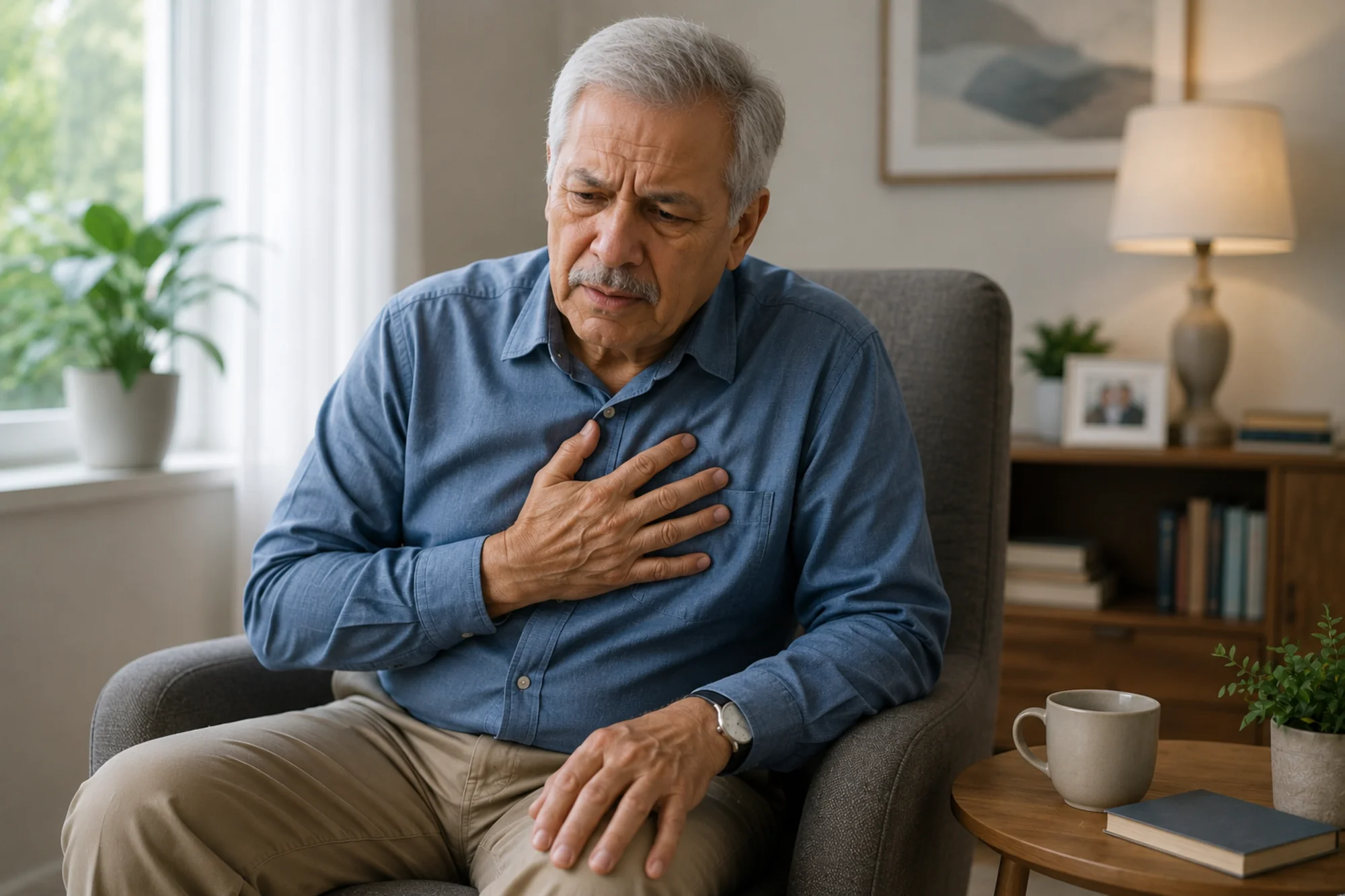
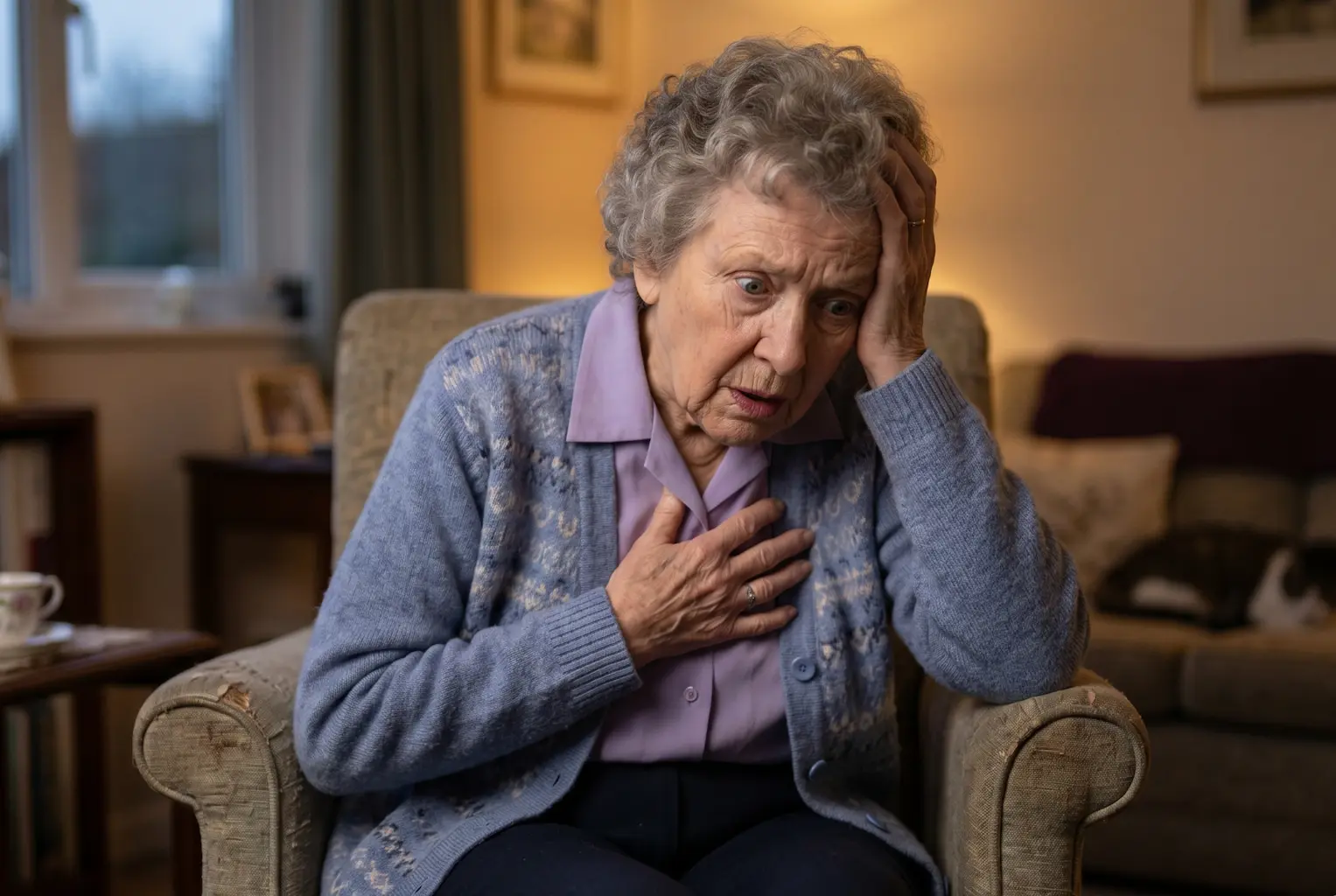
Surviving a heart attack changes more than your body. Many people leave the hospital physically on the mend but carry a new, exhausting passenger: fear. Every flutter or skipped beat can feel like a warning, and the worry that it could happen again can shadow everything from climbing stairs to falling asleep. If that sounds familiar, please know two things: you are not weak, and you are not alone.
What Is Cardiac Anxiety?
Cardiac anxiety is an intense, ongoing fear of having another heart attack. It often shows up as a heightened focus on the body, where small, usually harmless sensations like a faster heartbeat get read as signs of danger. As the American Heart Association describes in its 2025 scientific statement, cardiac anxiety is one part of a broader pattern doctors now call post-myocardial infarction psychological distress, which can also include depression and post-traumatic stress.
It can look like checking your pulse constantly, avoiding exercise out of fear, or lying awake monitoring your chest. These reactions make sense after a frightening event. They are your brain trying to protect you. Left unchecked, though, they can keep you from the very activities that aid recovery.
The Anxiety Cycle: When Fear Feeds Itself
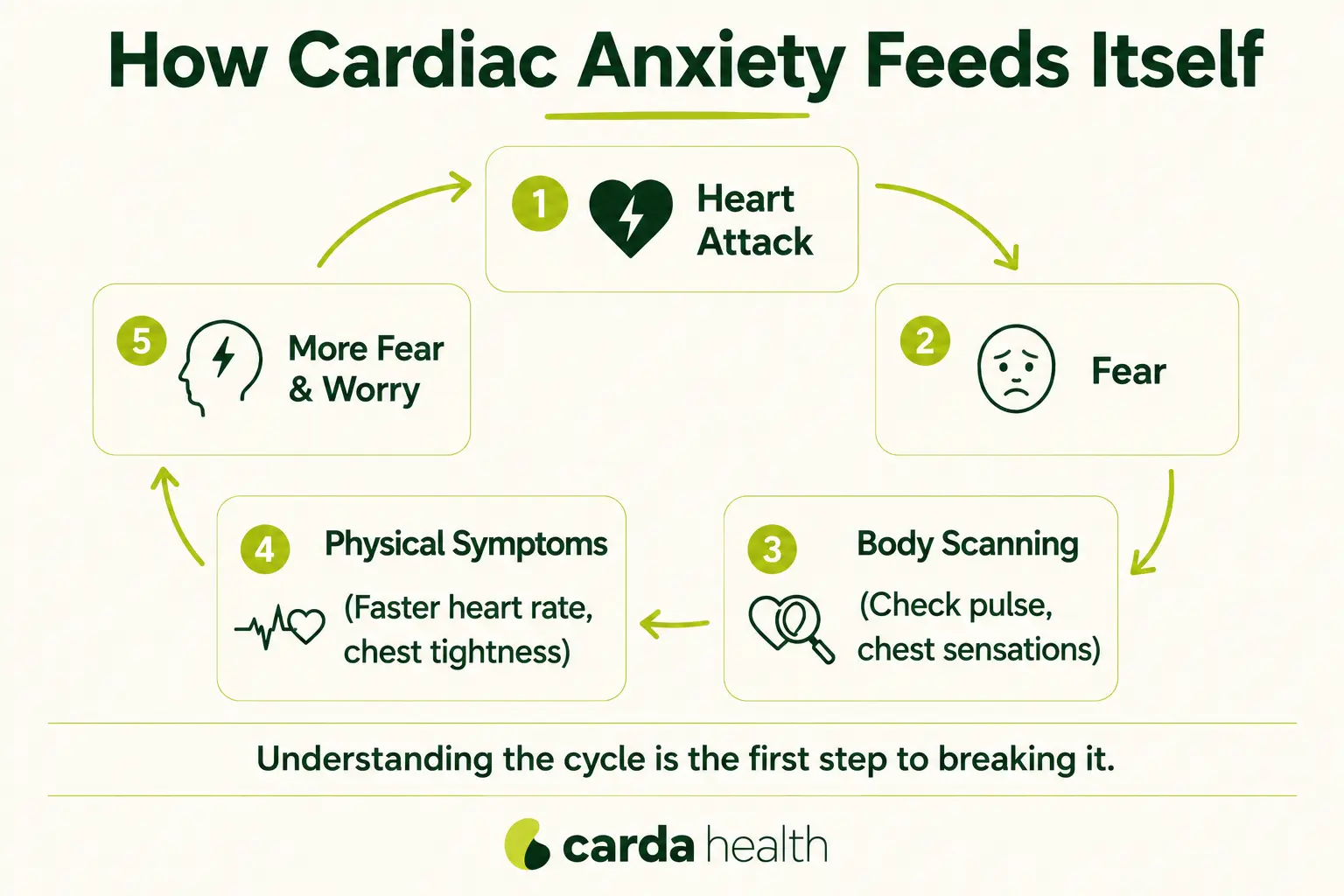
Part of what makes cardiac anxiety so sticky is a feedback loop. When you feel anxious, your body releases stress hormones that raise your heart rate and blood pressure, exactly the sensations you fear. As Johns Hopkins Medicine explains, anxiety can speed up the heart and increase blood pressure, so the body produces real, physical feelings that your mind then interprets as a heart problem. That interpretation sparks more fear, which produces more symptoms, and the spiral tightens.
Anxiety or Another Heart Attack? How to Tell
This is the question that haunts most survivors. Anxiety, panic attacks, and heart attacks share symptoms like chest discomfort, a pounding heart, and shortness of breath, which is why they are so hard to tell apart in the moment. Some general patterns are below, but read the safety note that follows first.
A vital safety note: these patterns are guides, not guarantees, and the symptoms overlap enough that you cannot always tell the difference on your own. For a heart attack survivor, the stakes are high. If you have chest pain or other worrying symptoms, especially if they are new, severe, or different from your usual anxiety, do not try to talk yourself out of it. Treat it as an emergency and call 911.
Also read: heart failure vs. heart attack
Signs Your Anxiety Needs More Support
Normal worry loosens its grip over time. It is worth reaching out to your care team or a mental health professional if you notice signs that it is not, such as:
- Avoidance of activities, exercise, or places because you fear they will trigger an event
- Panic attacks that recur or feel uncontrollable
- Sleep problems, constant rumination, or being unable to stop scanning your body
- Reliving the event, nightmares, or flashbacks, which can be signs of post-traumatic stress
- Low mood, loss of interest, or hopelessness, which may point to depression
How to Cope With Cardiac Anxiety
Understand Your Numbers and Your Plan
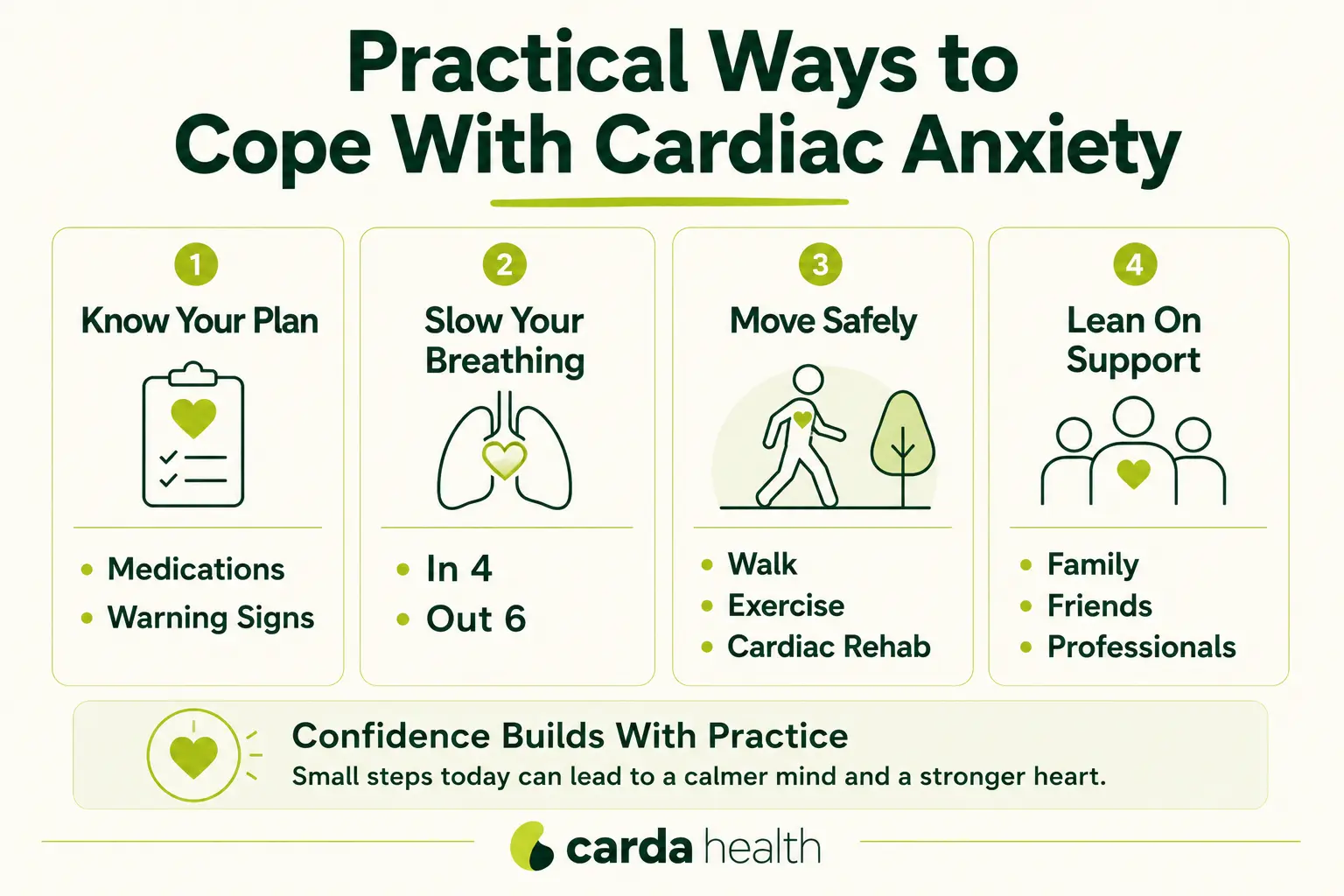
Fear thrives on uncertainty. Ask your care team to walk you through your situation: your medications, your warning signs, and what is safe for you. Knowing the plan replaces a vague sense of danger with concrete steps, and gives you something to do besides worry.
Grounding and Breathing in the Moment
When anxiety surges, slow breathing can interrupt the cycle by calming your nervous system. Try breathing in gently through your nose for a count of four, holding briefly, and exhaling slowly for a count of six. Pairing this with a grounding technique, like naming five things you can see and hear, helps pull your attention out of the spiral.
Move Your Body, Safely
Avoiding activity feels protective, but it often deepens anxiety and slows recovery. Gentle, approved movement does the opposite: exercise is a well-established way to ease anxiety, and doing it safely teaches your body and mind that your heart can handle activity again. Clear your plan with your care team first, and see what to expect in our guide to what happens after a heart attack.
Lean on Support and Professional Help
You do not have to manage this alone. Talking with people who understand, whether loved ones, a support group, or others who have been through it, eases isolation. For persistent anxiety, professional treatments work well: talk therapies such as cognitive behavioral therapy help retrain the fearful thought patterns that keep cardiac anxiety going, and your care team can guide you to the right support, including whether medication may help.
How Cardiac Rehab Helps Rebuild Confidence
One of the most effective ways to rebuild trust in your heart is cardiac rehab after a heart attack. Rehab pairs monitored exercise with education and emotional support, a combination uniquely suited to cardiac anxiety. Exercising while connected to monitors, with a clinician watching your heart in real time, gives you living proof that your heart can safely do more than fear lets you believe. Survivors often call this the moment their confidence started to return.
The benefits are not just anecdotal: participating in cardiac rehab is associated with reduced symptoms of anxiety, depression, and stress, alongside its physical gains, as covered in our overview of the benefits of cardiac rehabilitation. Carda Health delivers virtual cardiac rehab from home, with live, supervised sessions and real-time monitoring, so you can rebuild strength and confidence where you already feel safe.
Conclusion
Cardiac anxiety is a common, understandable, and treatable response to a frightening event. The fear is real, but so is the path forward. By recognizing the anxiety cycle, knowing when to seek emergency care versus reassurance, leaning on support, and gradually rebuilding trust in your heart, most people find the fear loosens its grip and life opens back up. Be patient and gentle with yourself. Healing the heart includes healing the worry that comes with it.
{{get-started}}
Frequently Asked Questions
Is it normal to feel anxious after a heart attack?
Very much so. Emotional distress affects up to half of survivors, and a persistent fear of another event is common enough to have a name: cardiac anxiety. Feeling shaken is a normal early reaction. What matters is whether it eases over time or starts to control your life, in which case it is worth getting support.
How do I know if it is anxiety or another heart attack?
Anxiety pain is often sharp, stays in the chest, peaks within about 10 minutes, and eases as you calm down. Heart attack pain is often pressure or squeezing that can spread to the arm or jaw and does not resolve with rest. But the symptoms overlap, so if you are unsure or symptoms are new or severe, treat it as an emergency and call 911.
How long does cardiac anxiety last?
For many people, fear is most intense in the first weeks and eases within a few months as confidence returns. When it persists or interferes with daily life, professional support can help.
Can anxiety cause chest pain or feel like a heart attack?
Yes. Anxiety and panic attacks can cause real chest pain, a racing heart, and shortness of breath through the stress response. The symptoms are not imaginary. Once a heart attack has been ruled out by your medical team, anxiety may be the cause.
Can anxiety be harmful to my heart?
Ongoing, untreated distress is associated with worse cardiac outcomes, which is one reason it is worth addressing rather than ignoring. Treating anxiety is good for both your mind and your heart.
How do I stop being scared of having another heart attack?
Understand your plan and warning signs, practice grounding and breathing when fear spikes, return to safe activity gradually, and lean on support. For lasting fear, cognitive behavioral therapy and structured programs like cardiac rehab are especially effective.
References
- American Heart Association. Psychological distress common after a heart attack, may lead to future heart conditions (2025 Scientific Statement).
- Harvard Health Publishing. The emotional aftermath of a heart attack (reviewed by Jeffery Huffman, MD).
- Johns Hopkins Medicine. Anxiety and Heart Disease.
- Murphy B, Le Grande M, Alvarenga M, et al. Anxiety and Depression After a Cardiac Event: Prevalence and Predictors. Front Psychol. 2020.
- Cleveland Clinic. How To Tell the Difference Between a Heart Attack and a Panic Attack.
- American Heart Association. Fear after a heart attack is real. Here’s how to cope.