Open heart surgery recovery usually takes 8 to 12 weeks, though some fatigue and healing can continue longer. Most people improve in stages: the first week at home is usually the hardest, weeks 2 to 4 are about rebuilding basic stamina, and weeks 4 to 8 are often when daily life starts feeling more manageable and cardiac rehab becomes part of the plan.
If you are recovering now, the questions are usually practical: How much should I walk? Is this fatigue normal? When can I drive? When does cardiac rehab start? This article answers those questions directly, using guidance from major medical sources and current cardiac rehab recommendations.
Bottom line: Recovery after open heart surgery is gradual, not linear. Gentle walking, realistic expectations, and a structured rehab plan usually matter more than trying to “push through” too fast.
Key Facts
- Open heart surgery recovery typically takes 8 to 12 weeks, though some symptoms can last longer.
- Walking usually starts early and increases gradually after discharge.
- Fatigue, soreness, disrupted sleep, and emotional ups and downs are common in the first several weeks.
- Cardiac rehab often starts within a few weeks after surgery, once your team says you are medically stable.
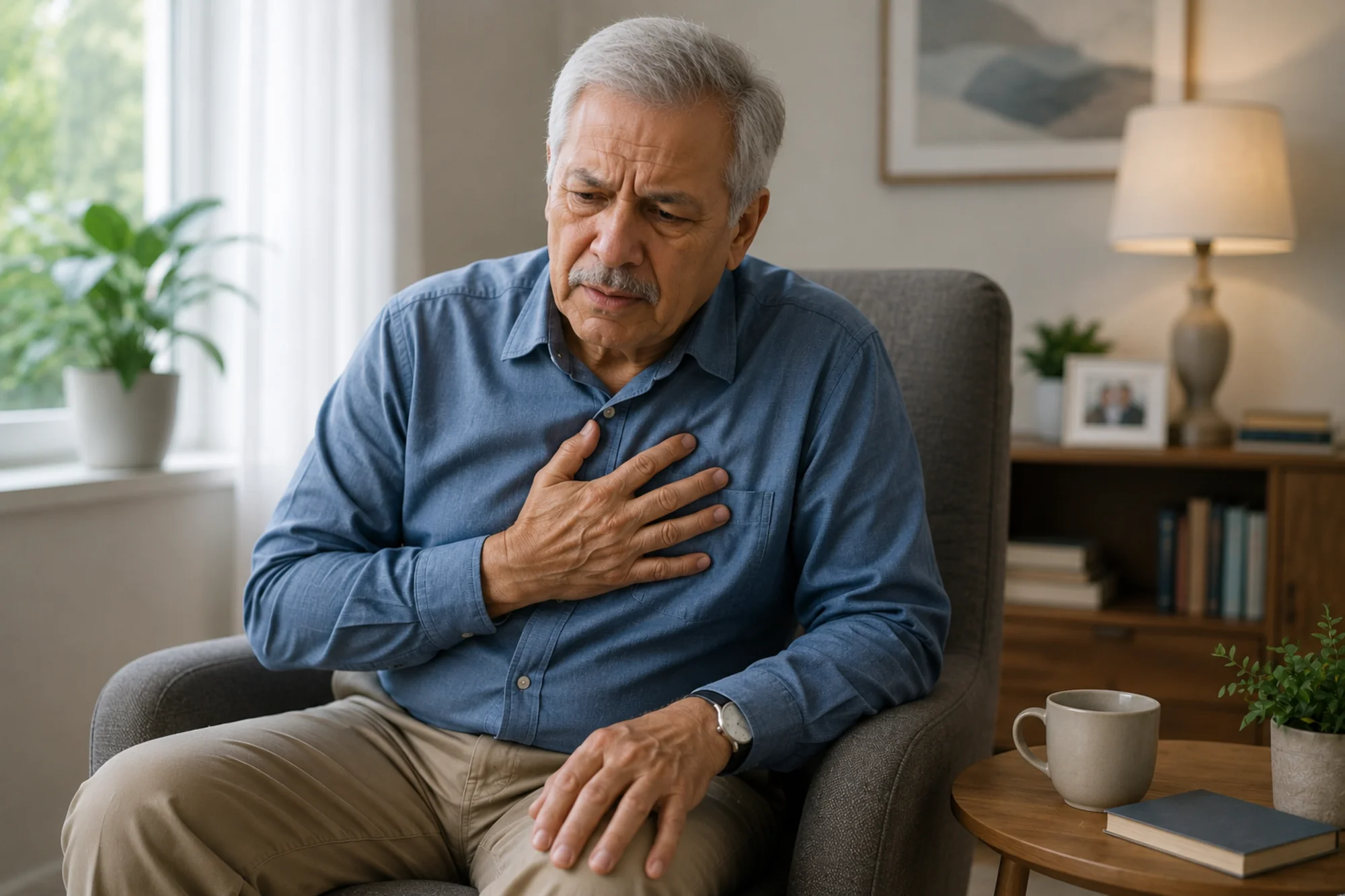
- New chest pain, worsening shortness of breath, incision infection signs, fainting, or confusion need prompt medical attention.
What Does Open Heart Surgery Recovery Look Like?
“Open heart surgery” can refer to several procedures, including coronary artery bypass grafting (CABG), valve repair or replacement, and other surgeries that require access to the heart through the chest. Even when the operation goes well, recovery is still a major healing process.
Most people spend several days in the hospital before going home. During that time, your care team usually gets you sitting up, standing, and walking earlier than you might expect. That is because early movement supports circulation, lung recovery, and safer healing.
Once you are home, recovery usually follows a recognizable pattern. At first, you are sore, tired, and slower than usual. Then basic tasks become easier, walking gets more comfortable, and your energy starts to come back in small increments. After that, the focus shifts from simply healing to rebuilding endurance and confidence.
Many patients say the first week at home feels harder than they expected. That is not unusual. The hospital is highly structured, and once you get home you are suddenly managing pain, movement, sleep, and anxiety without that same level of support.
If your surgery followed a heart attack, some of your next-step questions may overlap with Carda’s article on what happens after a heart attack.
{{get-started}}
Open Heart Surgery Recovery Timeline: Week by Week
Your surgeon’s instructions should always take priority over any general online timeline. Still, most patients want a realistic view of what recovery often looks like in the first several weeks.
Week 1 at Home
The first week home is usually the most physically limiting. Many people need frequent naps, feel chest soreness or incision discomfort, and notice that even basic tasks like showering or getting dressed take real effort.
Walking during this phase is usually short and gentle. A few minutes at a time may be enough. Lifting, pushing, and pulling are usually restricted while the sternum heals, and many patients still need help with errands, meals, and chores.
This is also the phase when people often feel emotionally off. Poor sleep, low energy, and uncertainty can make people feel tearful, frustrated, or unusually anxious. That does not mean something is going wrong. It often means your body and brain are both adjusting to a major event.
Weeks 2–4
By weeks 2 to 4, most patients feel more stable, even if they are clearly not back to normal. Walking usually feels a little easier. Pain often becomes more manageable. Appetite may improve, and moving around the house tends to require less effort.
This phase is less about “getting back to normal” and more about steady progression. If you do too much too fast, the usual result is more fatigue the next day — not faster recovery. Some patients even feel like they are regressing around week 2 or 3 when the initial momentum wears off. That can be a normal part of recovery too.
Weeks 4–8
This is often the point when recovery becomes more structured. Many people can do more around the house, rely less on pain medication, and tolerate longer walks. This is also when patients often start asking more seriously about driving, exercise, and cardiac rehab.
Depending on your procedure and how you are healing, your clinicians may begin talking with you about what is heart rehab or next-step recovery planning during this stage.
Beyond 8 Weeks
By 8 weeks, many patients are functioning much better, but not everyone feels fully recovered. Some fatigue can linger. Soreness may still flare up after a busy day. Confidence with movement may still be rebuilding.
That is one reason a structured recovery path matters. Recovery is not only about incision healing. It is also about stamina, routine, and getting back to daily life safely.
Recovery Timeline at a Glance
*Individual timelines vary. Always follow the plan from your own surgeon and cardiologist.*
How Much Walking Should You Do After Open Heart Surgery?
Most patients are encouraged to start with short, easy walks and build gradually. Early on, several short walks per day are usually better than one long walk.
If your surgeon has not told you otherwise, a practical framework often looks like this:
- Week 1: 5 to 10 minutes at a time, about 3 to 4 times per day
- Weeks 2–4: 10 to 15 minutes at a time, gradually extending as tolerated
- Weeks 4–8: 20 to 30 minutes of walking, often split into shorter sessions if needed
This is not a replacement for your surgeon’s instructions. It is a general progression pattern.
A good rule of thumb is that walking after surgery should feel like recovery activity, not exercise training. You should usually still be able to talk while walking. “Too much” often looks like feeling wiped out for the rest of the day, becoming much more short of breath than usual, needing unusually long recovery time after a walk, or feeling worse rather than better over the next 24 hours.
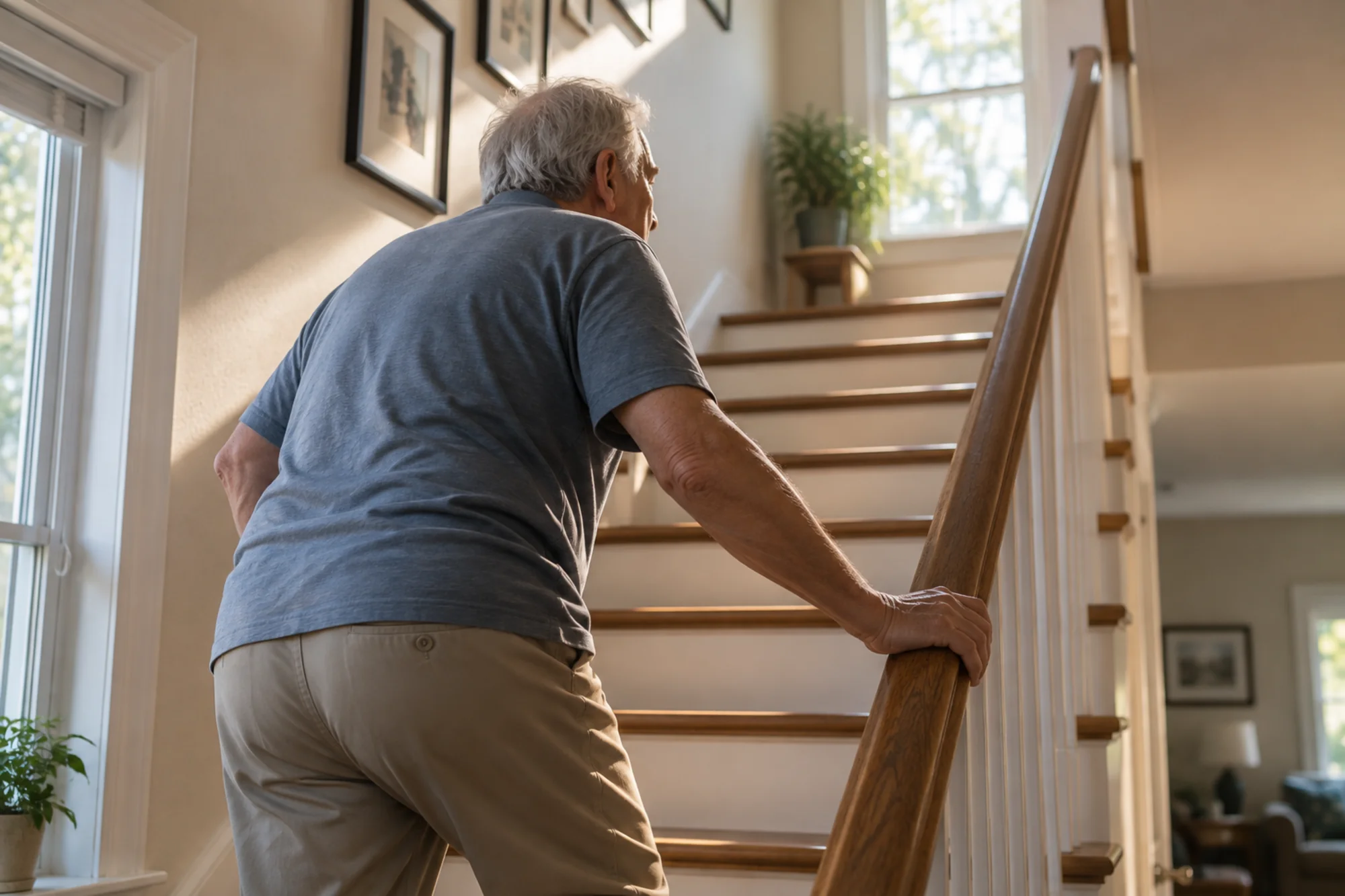
Stairs are usually allowed, but many patients do better when they take them slowly and avoid unnecessary trips in the first couple of weeks. Once you are cleared for more structured recovery, Carda’s guides on cardiac rehab exercises and home cardiac rehab are useful follow-up resources.
Common Symptoms During Recovery
Many people worry about whether what they are feeling is part of normal healing or a sign of a problem. The answer depends on the symptom, how severe it is, and whether it is improving or getting worse.
Fatigue After Open Heart Surgery
Yes, fatigue is normal after open heart surgery. It is one of the most common symptoms in the first several weeks.
Your body is healing from a major procedure. Sleep is often disrupted. Appetite may be inconsistent. Normal tasks take more effort. That combination can make fatigue feel heavier than patients expect.
Fatigue usually improves gradually, but not always quickly. The most helpful response is usually pacing: walk regularly, rest before you are completely drained, eat and hydrate consistently, and follow the rehab plan your clinicians recommend.
Pain and Soreness
Some chest discomfort, incision tenderness, and upper-body soreness are common in the early stages of recovery. That usually improves over time, though the pace varies from person to person.
What matters most is the pattern. Expected soreness tends to improve gradually. Pain that is clearly worse, new, or different from what your team prepared you for should be discussed promptly.
Swelling, Sleep Changes, Appetite, and Mood
Recovery often brings symptoms that are unpleasant but not automatically dangerous on their own. Mild swelling, trouble sleeping comfortably, reduced appetite, constipation, low mood, and emotional ups and downs are all common after major surgery.
That does not mean you should ignore them. It means recovery affects your whole system — not just your incision. Routine, walking, hydration, and nutrition matter here. If you need a simple nutrition refresher while your appetite and routine are still off, Carda’s article on a heart healthy diet is a useful companion read.
Red-Flag Symptoms That Need Urgent Attention
Most recovery symptoms improve gradually. Some symptoms need prompt medical attention instead of watchful waiting.
When in doubt, call your surgeon or cardiology team. It is better to ask early than to guess wrong.
When Does Cardiac Rehab Start After Open Heart Surgery?
Cardiac rehab usually starts after medical clearance, often within a few weeks after surgery. The exact timing depends on the procedure, how you are healing, and whether your care team believes you are stable enough to begin.
Cardiac rehab is not just exercise. It is a medically supervised program that helps patients recover after major heart events and procedures. That usually includes structured exercise progression, symptom monitoring, education, medication and risk-factor support, and coaching that helps patients rebuild confidence safely.
The American Heart Association and AACVPR recommend cardiac rehab after heart surgery, and Medicare covers it for qualifying diagnoses including CABG and certain valve procedures. That coverage point matters because recovery support is often more effective when patients can actually access it.
How Virtual Cardiac Rehab Helps After Surgery
Traditional cardiac rehab works, but access is often the problem. Transportation, fatigue, scheduling, distance, and caregiver logistics all make attendance harder than it sounds — especially soon after surgery.
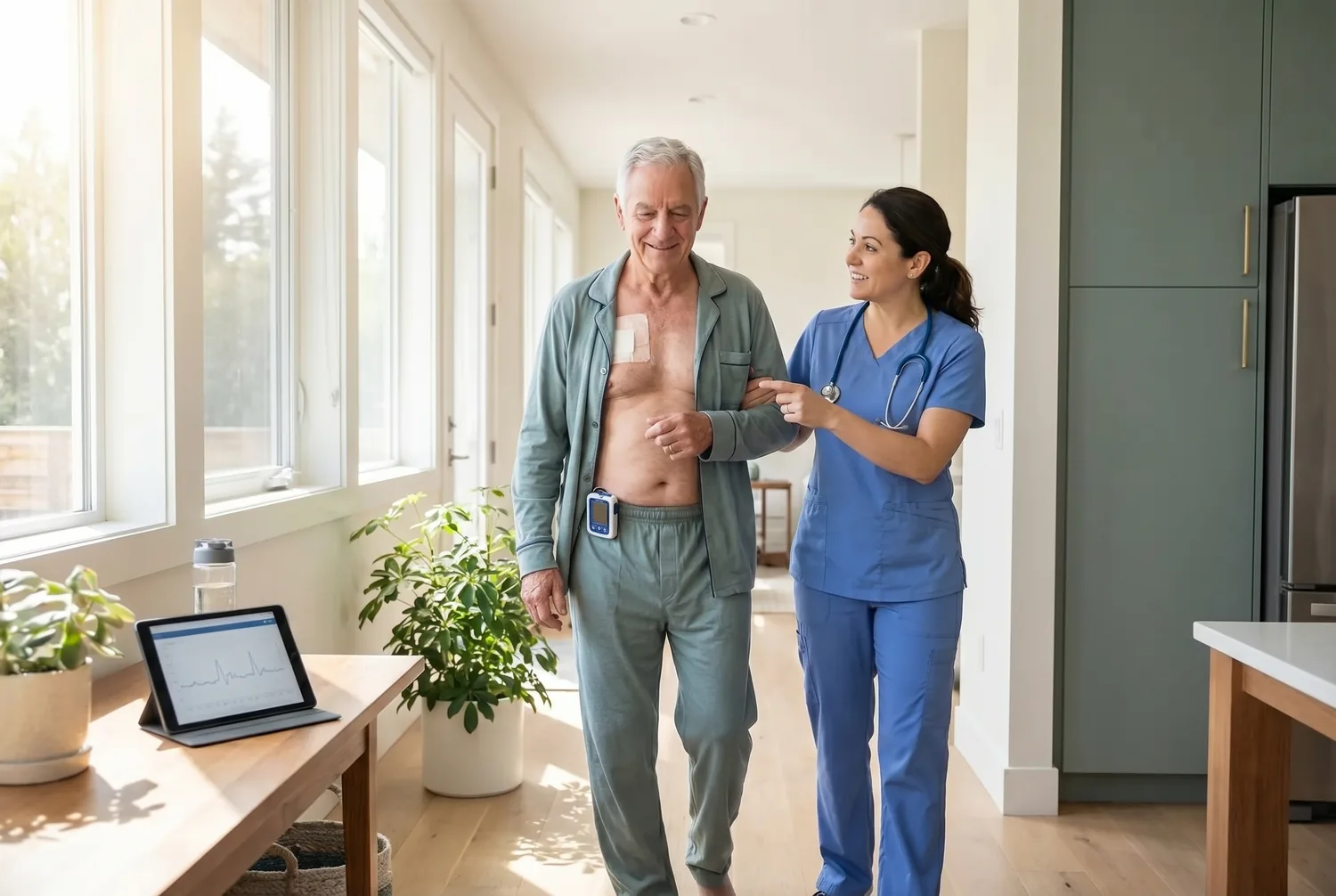
Virtual cardiac rehab can reduce those barriers by bringing supervised recovery into the home. For eligible patients, that means recovery support can include structured exercise progression, clinical oversight, education, and accountability without the same travel burden.
That access issue is not theoretical. Home-based cardiac rehab research and virtual cardiac rehab trials have consistently supported remote models as a meaningful way to improve participation and reduce barriers for patients who might otherwise drop out or never start.
For patients who want to understand the model more clearly, Carda’s article on virtual cardiac rehab is the best companion read.
Carda’s own outcomes data adds a practical layer to that broader evidence. Across the program, Carda reports a 74% reduction in readmissions, 52% blood pressure normalization, a 3x improvement in METs, and an NPS of 89. Those are program-level outcomes, not guarantees for every patient, but they reinforce an important point: recovery support tends to work better when it is structured, supervised, and easier to complete.
If you are recovering from open heart surgery and want to know whether cardiac rehab may be covered, Carda can help you check eligibility and get started from home.
{{get-started}}
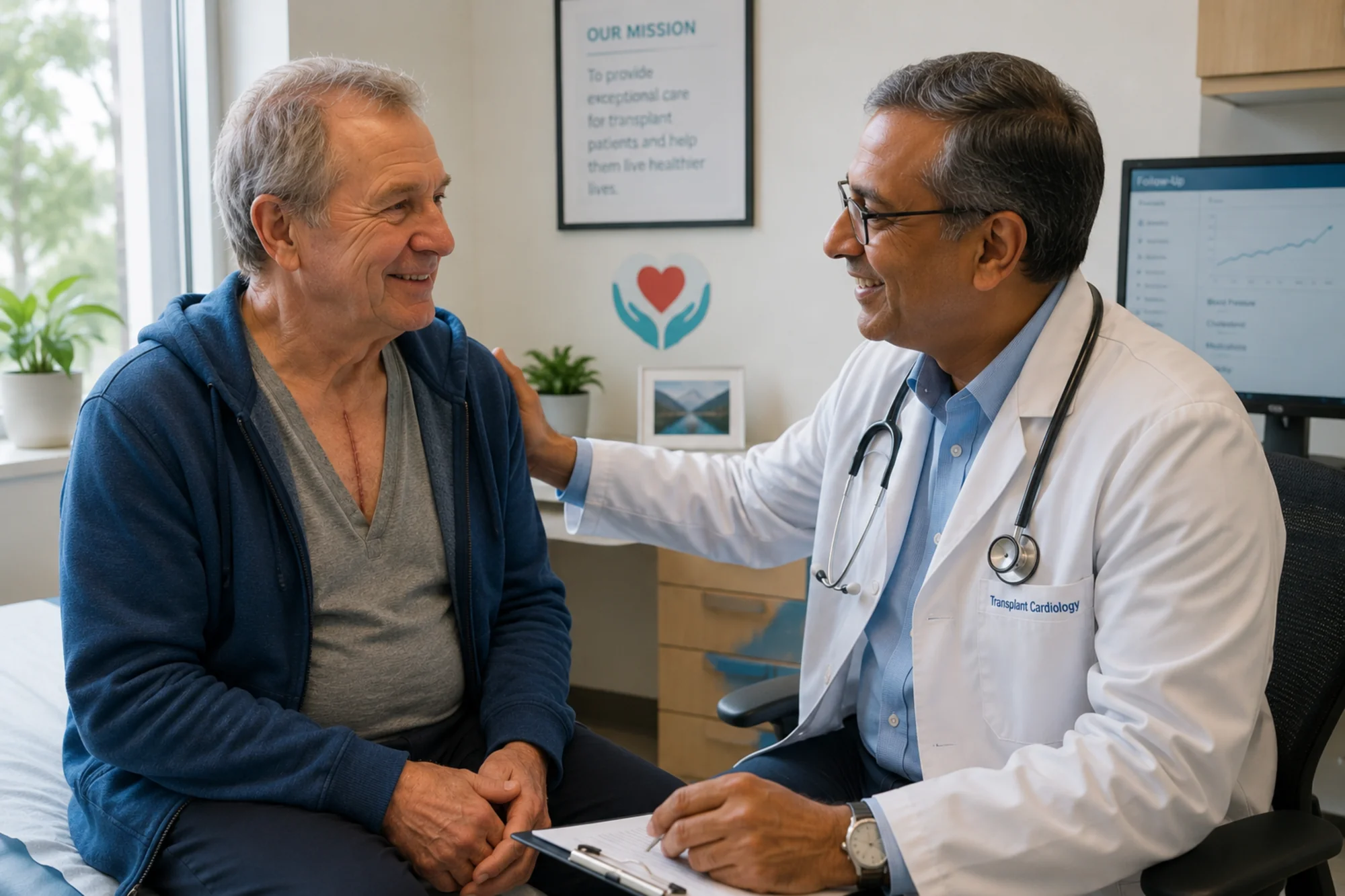
What to Ask Your Doctor at Follow-Up
If you have a follow-up appointment coming up, these are useful questions to bring with you:
- When can I increase my walking time or pace?
- Are my current symptoms normal for this stage of recovery?
- When can I drive, lift more, or return to work?
- When should I start cardiac rehab?
- Is in-person or virtual cardiac rehab a better fit for me?
That kind of conversation helps make recovery more specific to your procedure, your health, and your daily life.
Frequently Asked Questions
How long does it take to recover from open heart surgery?
Most people recover over about 8 to 12 weeks, though some healing and fatigue can continue longer. The exact timeline depends on the procedure, your starting health, and your surgeon’s instructions.
How much walking should I do after open heart surgery?
Most patients start with short, gentle walks several times per day and build up gradually. A common pattern is 5 to 10 minutes at a time in week 1, then longer walks as tolerated.
Is fatigue normal after open heart surgery?
Yes. Fatigue is one of the most common post-surgical symptoms and can last for several weeks. It usually improves gradually with rest, walking, nutrition, and structured rehab.
When can I drive after open heart surgery?
Driving usually waits until your surgeon says it is safe. Many patients are cleared somewhere between 4 and 8 weeks, depending on healing, pain control, and safe reaction ability.
When does cardiac rehab start after open heart surgery?
Cardiac rehab often starts within a few weeks after surgery, once your team confirms you are medically stable enough to begin.
Is virtual cardiac rehab effective after heart surgery?
For eligible patients, yes. Virtual cardiac rehab can provide supervised recovery, structured exercise, and better access for people who would otherwise struggle to attend in person.
Does Medicare cover cardiac rehab after open heart surgery?
Medicare covers cardiac rehabilitation for qualifying diagnoses, including coronary artery bypass grafting and certain valve procedures. Your provider can help confirm your exact eligibility.
References
- What You Can Expect as You Recover from Heart Surgery — Cleveland Clinic
- Cardiac Rehabilitation — American Heart Association
- What Is Cardiac Rehabilitation? — American Heart Association
- Home-Based Cardiac Rehabilitation: A Scientific Statement From AACVPR, AHA, and ACC — Circulation
- AHA/AACVPR Scientific Statement on Cardiac Rehabilitation (2024) — Circulation
- Randomized Trial of a Virtual Cardiac Rehabilitation Program Delivered at a Distance via the Internet — Circulation: Cardiovascular Quality and Outcomes
- Home-based versus centre-based cardiac rehabilitation — PubMed
- Cardiac Rehabilitation Coverage Decision — Centers for Medicare & Medicaid Services