How to Test Yourself For COPD
.avif)
On average, 16 million people in the US have COPD, which is one of the top ten causes of death in the United States. Diagnosing it at early stages is difficult as the early symptoms are as same as those of other common ailments.
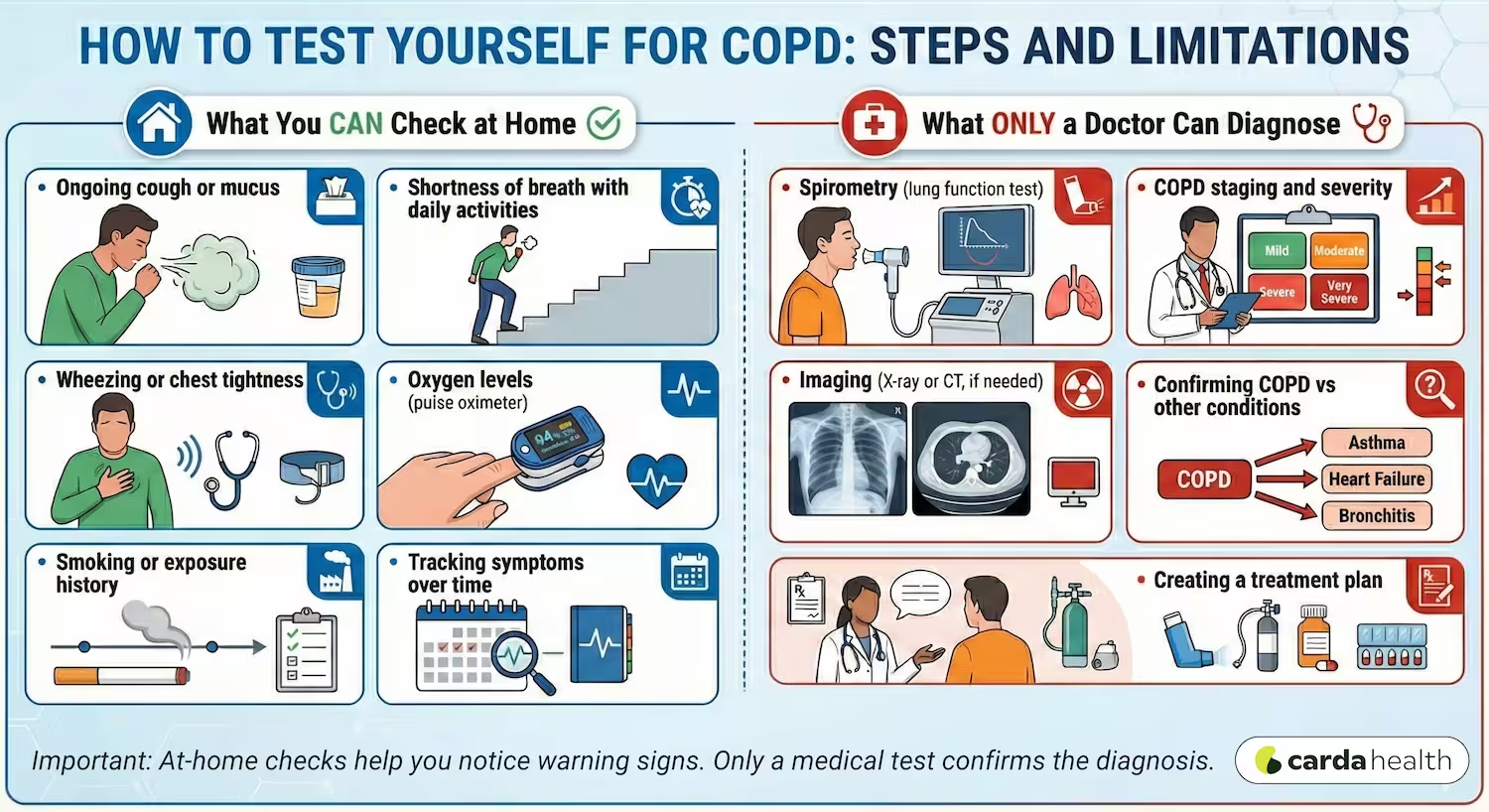
You need to consult a doctor for a full diagnosis, but there are a few symptoms that can help you understand the early signs of COPD. If you want to know how to test yourself for COPD, health experts recommend you do some screening and exercises for symptoms like chronic cough, wheezing, shortness of breath, or check your smoking history to assess the risk factors.
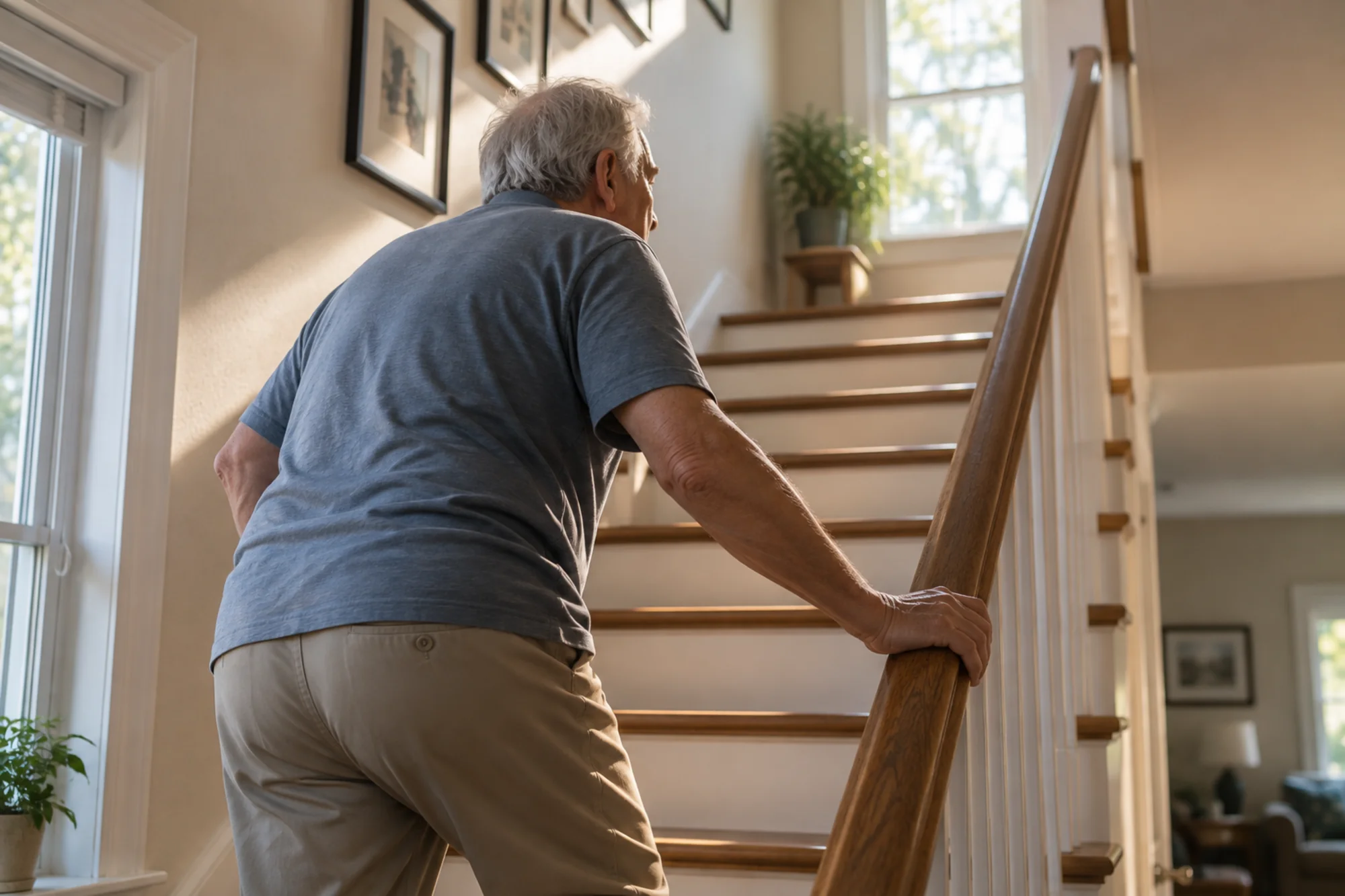
Important things to notice involve chest tightness during walking or exercises, feeling exertion in routine activities like climbing up stairs, and performing some basic tests can help you figure out the problem. Need more details? Here is a guide on how to test yourself for COPD at home and how to diagnose it.
Early Warning Signs of COPD & Risk Factors
Noticing the early warning signs of COPD can help you find out the problem. COPD's common symptoms are as follows:
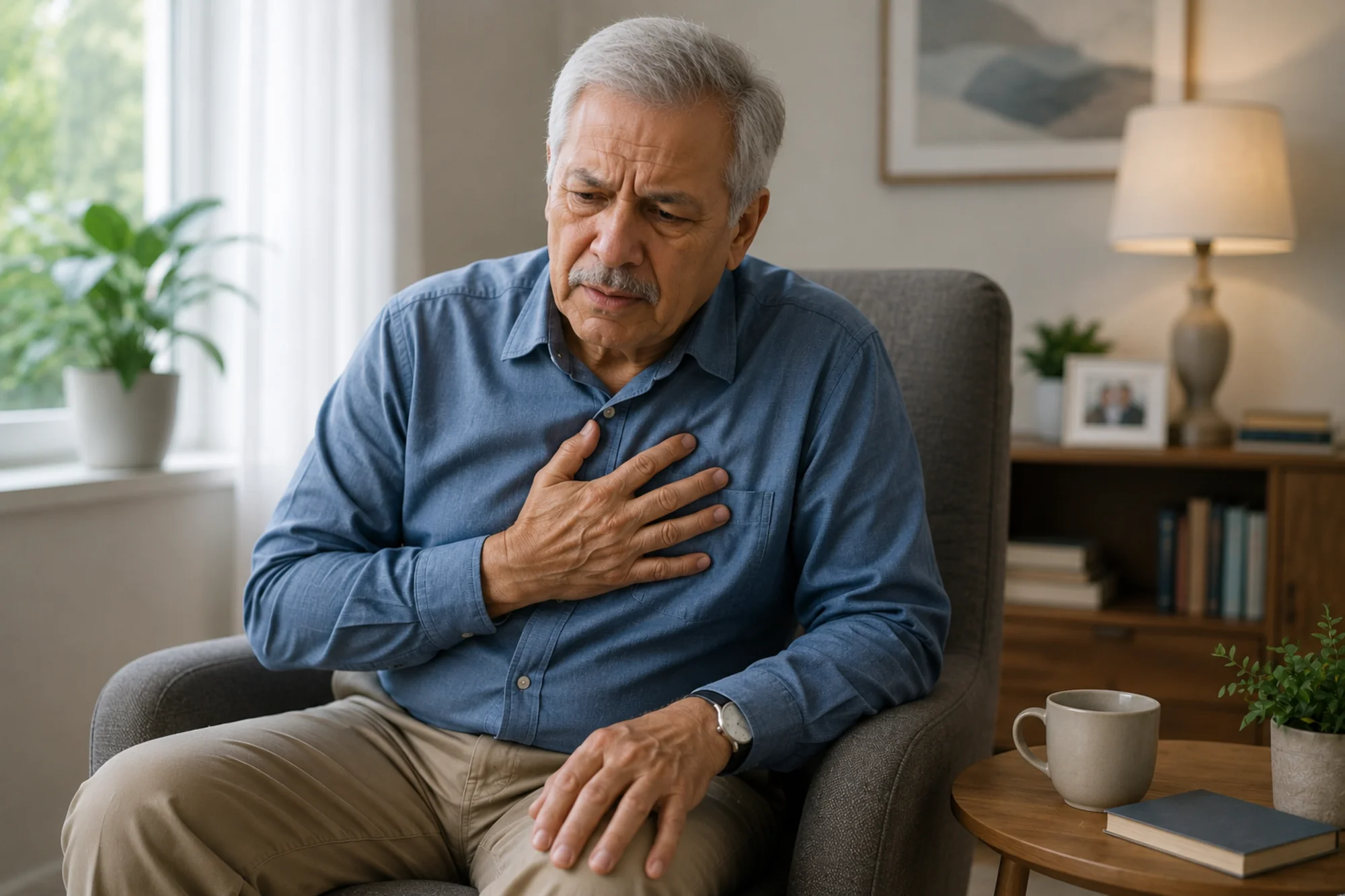
- Chest Tightness: Continual difficulty in breathing (more so during normal activities or light exertion)
- Persistent Cough: Daily coughing, frequently together with phlegm or mucus
- Wheezing: Respiration-associated sounds or a feeling of pressure in the chest
- Feeling of Exertion: Feeling tired or having no strength without any apparent reason
- Shortness of Breath: Feeling out of breath or being unable to catch your breath while walking, climbing up the stairs, or doing regular activities.
Risk Factors: Risk factors include smoking history, exposure to second-hand smoke or environmental pollutants, multiple lung infections, and long-term inhalation of irritants.
These are the common signs of many other short-term diseases as well, or can be early warning symptoms for COPD. So testing yourself for COPD becomes necessary along with consultation with a doctor and a treatment plan for COPD(if diagnosed).

{{get-started}}
At-Home Easy Self-Assessment Methods
Doing an assessment by yourself for COPD can be helpful, as COPD can be measured well only if diagnosed at early stages. Here are simple steps on how to test for COPD yourself.
Step 1: Keeping Record:
Use a notebook to note respiratory signs, how often the cough occurs, how many times you feel short of breath, and how often you wheeze. Pay attention to whether these signs get worse with activities that previously did not cause any discomfort. This notebook turns into a history of respiratory wellness, a means to discover the patterns.
Step 2: Breath Observation:
Do not miss your breathing at all. Be aware of the changes in the difficulty of breathing during the day and in various activities. Do you experience moments of breathlessness that are not anticipated? Observing breath can be meditative, a process of connecting deeply with one's respiratory function.
Step 3: Basic Spirometry Test:
You might want to use a simple spirometer, which is a device that quantifies the amount of air that you inhale and exhale and the rate at which you exhale, as part of your test. There are portable spirometers for home use. This device gives quantitative data, which brings an extra layer of objectivity to your evaluation.
Step 4: Maximum Pressure Tracking:
Another very useful tool is the peak flow meter which measures the speed of an airflow at the moment of breath exhaling. Monitoring the peak flow readings for a period of time can give a hint of very slight changes in the lung functionality.
Note These tools can give you clues, but only a doctor and GOLD stage clinical spirometry can diagnose COPD.
Step 5: Lifestyle Analysis:
Take into consideration the lifestyle factors that might have effects on lung health. Have you lived in places with pollutants like smoke, dust, or even chemicals? Are you a nicotine user, or do you stay in a setting where smoking is pervasive most of the time? Weighing these factors is crucial for determining the likelihood of getting COPD.
These at-home methods are not to substitute professional medical assessment but to support it. They are the initial stages of diagnosing COPD at home that can give you a clear indication to consult a doctor and a treatment.
COPD Checks at Home: Who Should Consider Them?
People who detect breathing problems but are unsure if they are "serious enough" to opt for a clinic visit can benefit from at-home COPD examinations. They’re especially beneficial for:
- Adults who are more than 40 years old
- Persons who have ever smoked (current or past)
- Workers and residents of polluted places who are exposed to smoke, dust, or other hazardous materials
- People suffering from the recurrence of chest infections or a cough that lasts for a long period
- Individuals who get tired easily while doing things that were not exhausting before.
Also Read: COPD vs emphysema
What To Do After Self-testing For COPD?
If your self-test shows signs that you might have COPD, or if the results made you concerned about your breathing, here are some helpful next steps:
1. Consult a doctor
A self-test is only a starting point that can help you find out the problem. Share your results with your doctor so they can confirm what’s going on and recommend any medical tests you may need.
2. Keep track of your symptoms.
Note when you feel short of breath, how often you cough, changes in mucus, or any chest tightness. These can be signs of progression in your COPD stage, and can help your doctor understand your condition better.
3. Make small lifestyle changes early.
Simple steps like avoiding smoke, improving indoor air quality, and gentle daily movement can support your lungs while you wait for further testing.
4. Join an online health community.
Connecting with people who have the same concerns can help you stay motivated and feel supported. Online health clubs and COPD support groups often share breathing tips, routines, and real experiences that make the journey less overwhelming.
5. Consider starting an online pulmonary rehabilitation program.
Online pulmonary rehab, like the program offered by Carda Health, is a practical and flexible way to improve your breathing and daily life, without travelling a long distance with your condition.
Carda Health’s virtual pulmonary rehab program includes:
- Structured, evidence-based rehab plans designed from clinical research
- Breathing training, stress management, pacing techniques, and ongoing support
- Continuous monitoring to help maintain progress for years
- Lower costs and less disruption, ideal for people with mobility issues or busy schedules
Patients at Carda Health often report more energy, less breathlessness, better stress control, and even weight loss as they progress through the program.
Starting early makes a big difference. If you’re worried about COPD, taking these steps can help you get the right care and support as soon as possible.
{{get-started}}
Key Takeaways:
Learning how to test yourself for COPD can help you manage your lung health at very early stages. The effective management of COPD relies on its early detection and proactive treatment. Once COPD is suspected or it has been diagnosed, pulmonary rehabilitation, especially through an online program like Carda Health, is an evidence-based approach that allows for the gradual improvement of breathing, energy, and living standards.
Do not hesitate to take the initiative when it comes to the health of your lungs. Find out more about Carda Health’s online pulmonary rehab program and be the one who takes the first move towards easier breathing, more energy, and a more active lifestyle.
FAQs
Is it ok for me to make a home diagnosis of COPD?
No, COPD can only be diagnosed through clinical spirometry and medical testing.
Is pulmonary rehabilitation effective for COPD patients?
Absolutely, PR not only brings exercise capacity to a higher level but also reduces the feeling of breathlessness and improves the quality of life when compared to standard care.
Do online (home-based) pulmonary rehabilitation programs have the same effectiveness as in-person rehabilitation?
Yes. Research shows that well-structured remote pulmonary rehab can provide improvements comparable to in-person programs.
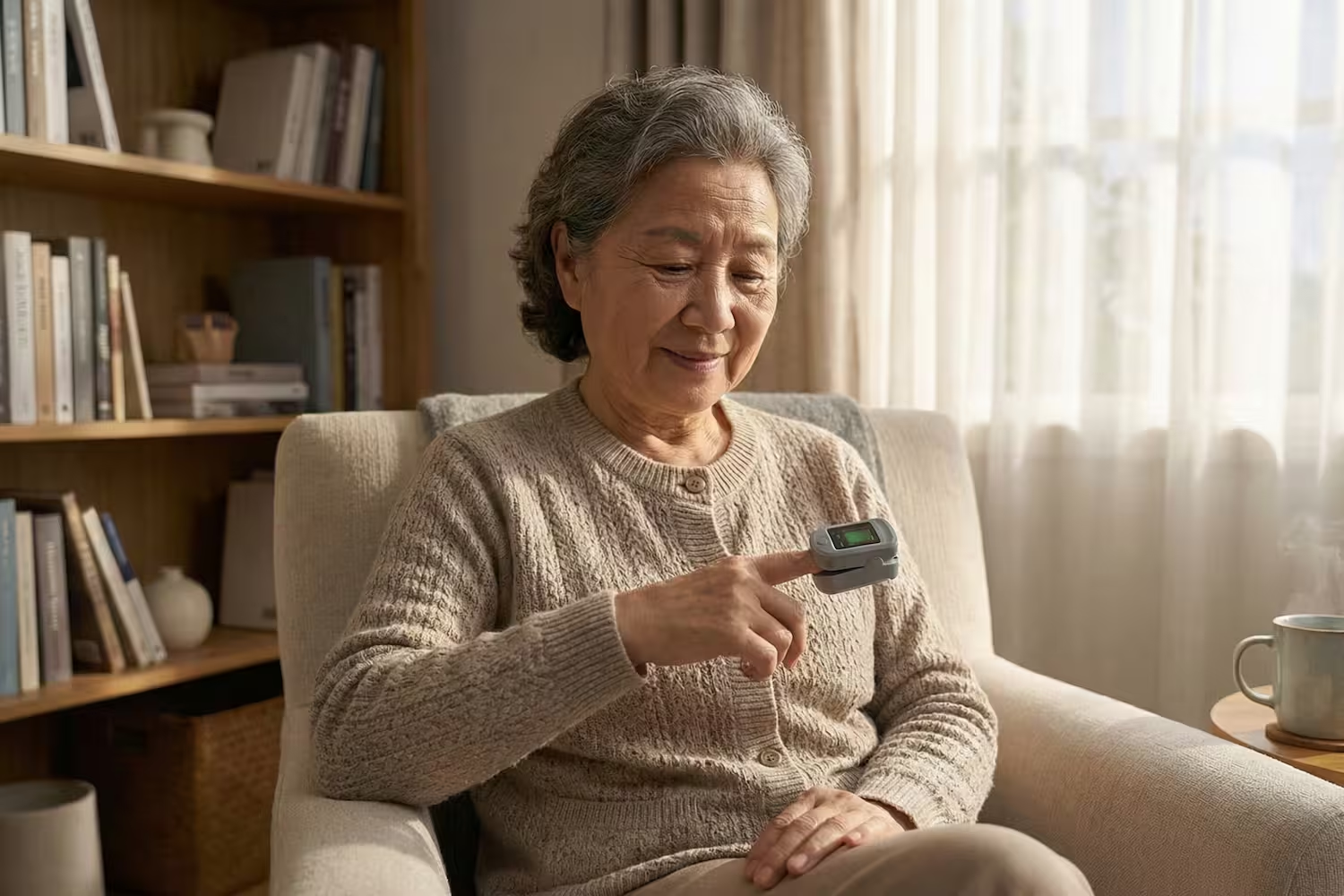
What is the finger test for COPD?
The finger test for COPD is a blood oxygen level test which you can perform using a Pulse Oximeter. It is a small clip that uses light to estimate the oxygen level in your blood (SpO₂).
What are the early warning signs for COPD?
Early warning signs for COPD include shortness of breath, wheezing, fatigue, tiredness, and lung infection, like pneumonia or bronchitis.
What is the six-minute walk test for COPD?
The six-minute walk test is a method in which a patient is assessed for their walking and exercise capacity. This test is particularly carried out for patients with cardiac or respiratory diseases.
References
https://pmc.ncbi.nlm.nih.gov/articles/PMC3384375/
https://goldcopd.org/gold-spirometry-guide/
https://pubmed.ncbi.nlm.nih.gov/30578361/
https://www.resmed.co.in/blogs/how-to-test-yourself-for-copd/