COPD vs Asthma: Symptoms, Risks, and Key Differences
.avif)
If you’ve been wheezing, coughing, or getting out of breath faster than you used to, you may be wondering: Is this asthma, COPD, or something else?
You’re not alone; these conditions can look very similar, especially early on. But the right diagnosis is very important, because treatments and long-term outlook are different.
In this guide, we’ll break down the key differences between asthma and COPD in a simple, patient-friendly way so you can better understand what your symptoms might mean, and what to discuss with your doctor.
COPD And Asthma: What Are These?
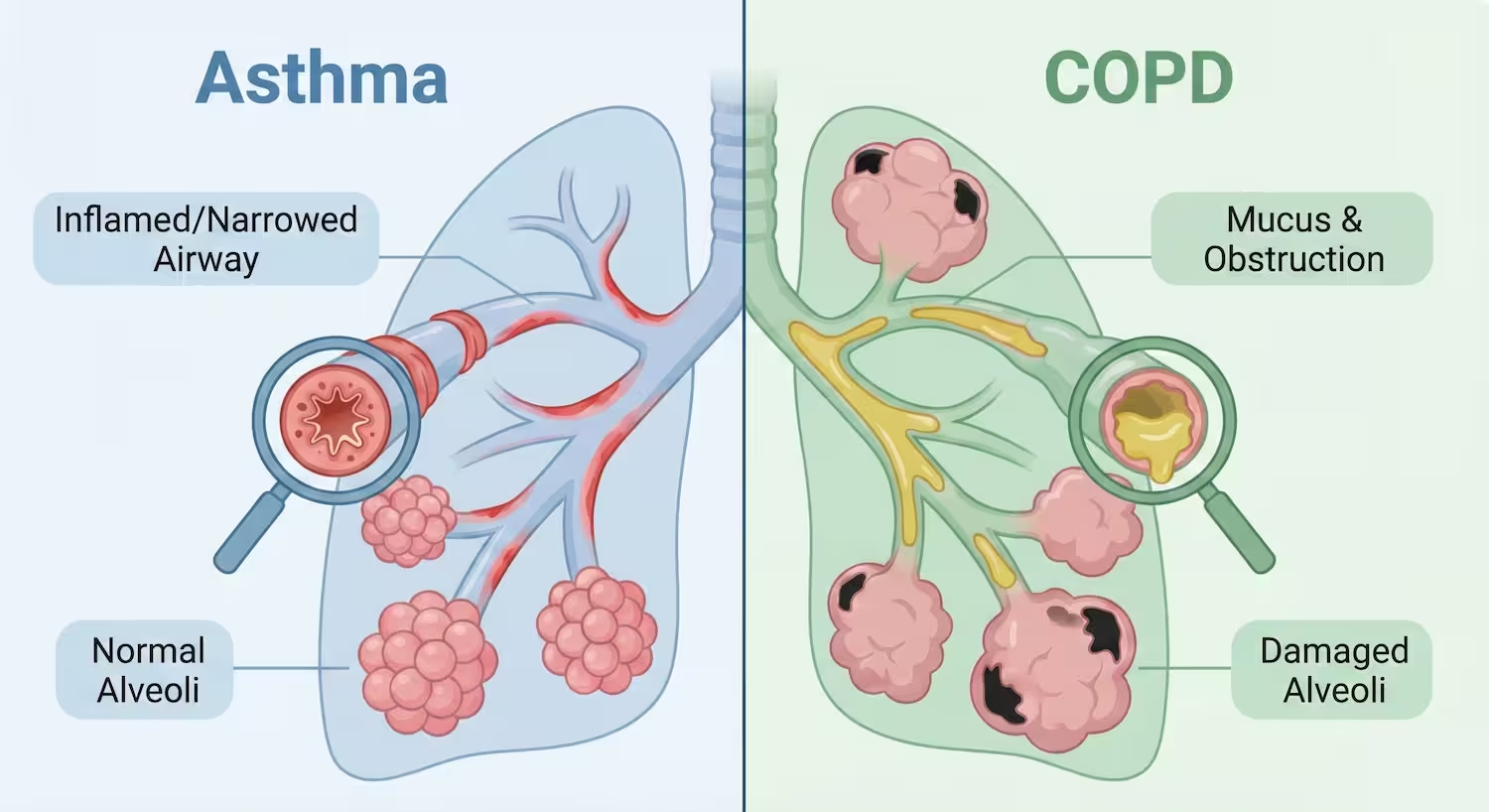
Chronic Obstructive Pulmonary Disease (COPD) causes persistent breathing problems that gradually progresses in stages over time. It most often affects adults over 40 with a history of smoking or long-term exposure to lung irritants. Because lung damage from COPD does not fully reverse, symptoms are usually present every day and slowly progress.
Asthma is a condition where the airways become overly sensitive and inflamed, leading to episodes of shortness of breath, coughing, and wheezing. These flare-ups are usually triggered by allergies, weather changes, exercise, infections, or irritants, and they typically improve after treatment.
How Do You Know Which One You Have?
More likely asthma if:
- Symptoms come and go
- Flare-ups have clear triggers
- You’re younger, or symptoms began in childhood
- You also have allergies or eczema
More likely COPD if:
- You’re age 40+ with a smoking/exposure history
- Daily cough with mucus
- Breathlessness continues even between “attacks”
- Symptoms worsen slowly over months/years
How to diagnose COPD and Asthma?
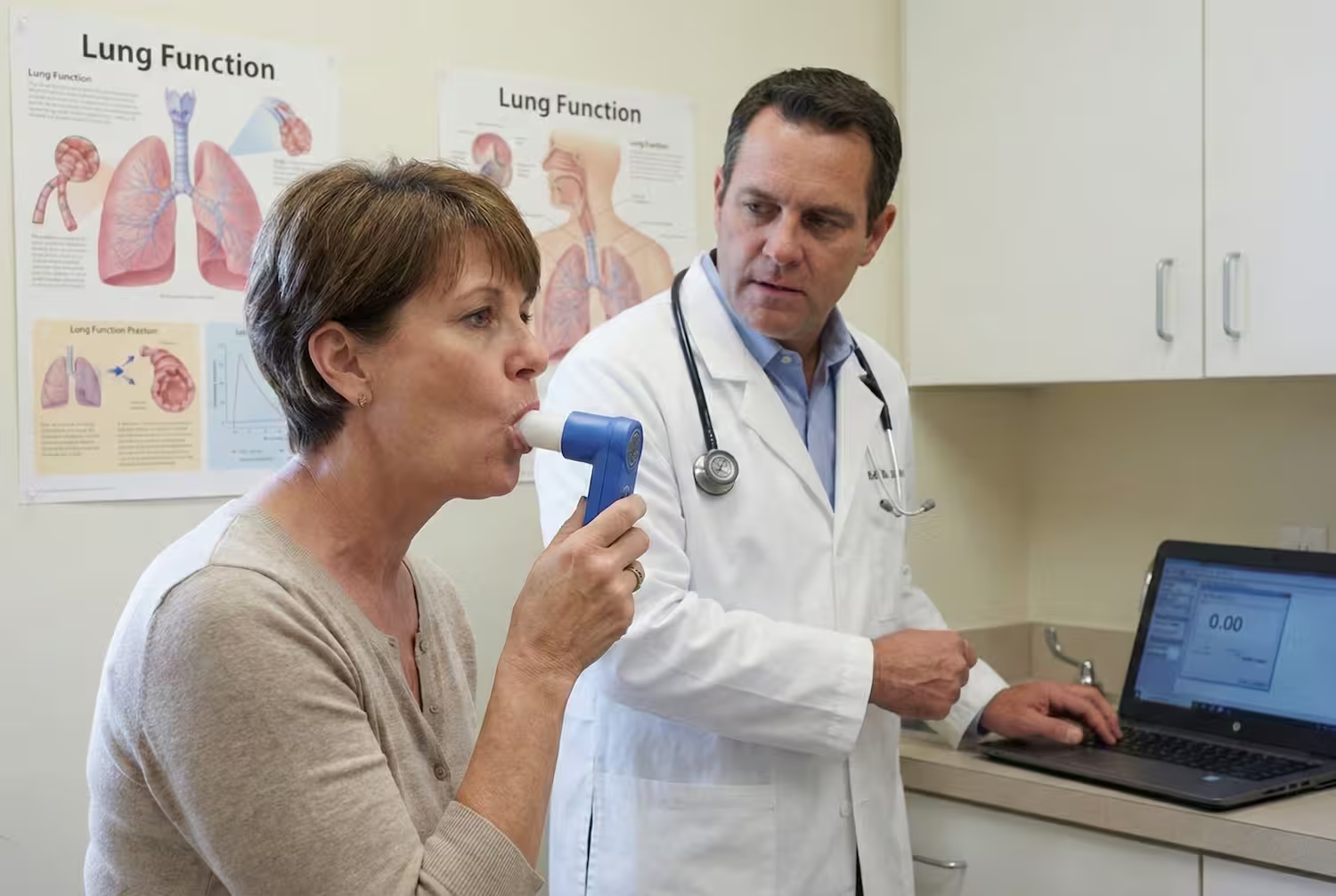
Both diseases show almost similar early symptoms including shortness of breath, cough, and wheezing; therefore, the diagnosis is based on spirometry with a bronchodilator reversibility test.
A spirometry test measures how quickly and fully you can blow air out of your lungs.
In asthma, airflow often improves significantly after using bronchodilator medication.
In COPD, airflow does not fully improve, even after medication.
This simple difference is one of the most reliable ways doctors determine which condition is causing your symptoms.
CT scans, X-rays, and blood tests may also be performed for further investigation of lung health and to find out other problems and complications.
Also Read: Can you test yourself for COPD at home?
What causes Asthma and COPD?
Asthma and COPD don’t share the same root causes, even though their symptoms can look similar.
Asthma often develops early in life and is strongly linked to allergies and genetic factors. Flare-ups may be triggered by:
- pollen, dust mites, or pet dander
- air pollution or fumes
- exercise or cold air
- respiratory infections
People with a family history of asthma or other allergic conditions have a higher risk.
COPD, on the other hand, is most commonly caused by smoking or long-term exposure to irritants that damage the lungs, including:
- workplace dust and chemicals
- secondhand smoke
- air pollution or wildfire smoke
- biomass fuel (wood-burning stoves), especially in low-income regions
A small percentage of people develop COPD due to Alpha-1 antitrypsin deficiency, a rare genetic condition that affects lung protection.
What are the available treatments for COPD and Asthma?
While inhalers are used for both asthma and COPD, the goals of treatment are quite different.
Asthma management focuses on controlling inflammation inside the airways and preventing sudden flare-ups. Doctors may prescribe a combination of quick-relief inhalers for immediate symptoms and long-term controller medications, such as inhaled steroids, to reduce sensitivity to triggers like allergens, cold air, or exercise.
COPD treatment, however, aims to slow disease progression, reduce breathlessness, and help patients stay more active in daily life. Long-acting bronchodilators are often used to relax airway muscles, and pulmonary rehabilitation programs help build breathing strength and stamina. Quitting smoking, preventing infections with recommended vaccines, and using oxygen therapy in more advanced stages all play important roles in supporting lung function and safety.
Asthma symptoms can often be fully reversible when well controlled, whereas COPD symptoms typically do not disappear completely, even with ongoing treatment.
Complications of Asthma and COPD
Asthma flare-ups can become serious quickly and may require emergency care. Over time, chronic airway inflammation can lead to airway remodeling, making breathing harder.
COPD causes permanent and progressive lung damage, which may lead to chronic shortness of breath, frequent respiratory infections, muscle and weight loss, low oxygen levels, and heart strain (cor pulmonale).
Both asthma and COPD can limit energy and exercise, disturb sleep, and increase the risk of illnesses like bronchitis or pneumonia, but COPD’s long-term impact on the lungs is generally more severe.
Also Read: How to increase oxygen levels at home?
{{get-started}}
Differences Between COPD and Asthma
If you’re confused about the differences between Asthma and COPD, here is a quick comparison chart that can help you out.
Main Difference: COPD is severe, incurable, and irreversible, usually caused by environmental or habitual abnormalities, and you can only control it or slow it down. Asthma is episodic and can be managed and controlled, and is usually genetic and caused by allergens or pollution.
Similarities Between Asthma and COPD
Coughing, wheezing, and dyspnea are common in the duo as both are obstructive lung diseases and result from blocked or constricted airways, which cause difficulty in breathing.
Asthma-COPD Overlap(ACO)
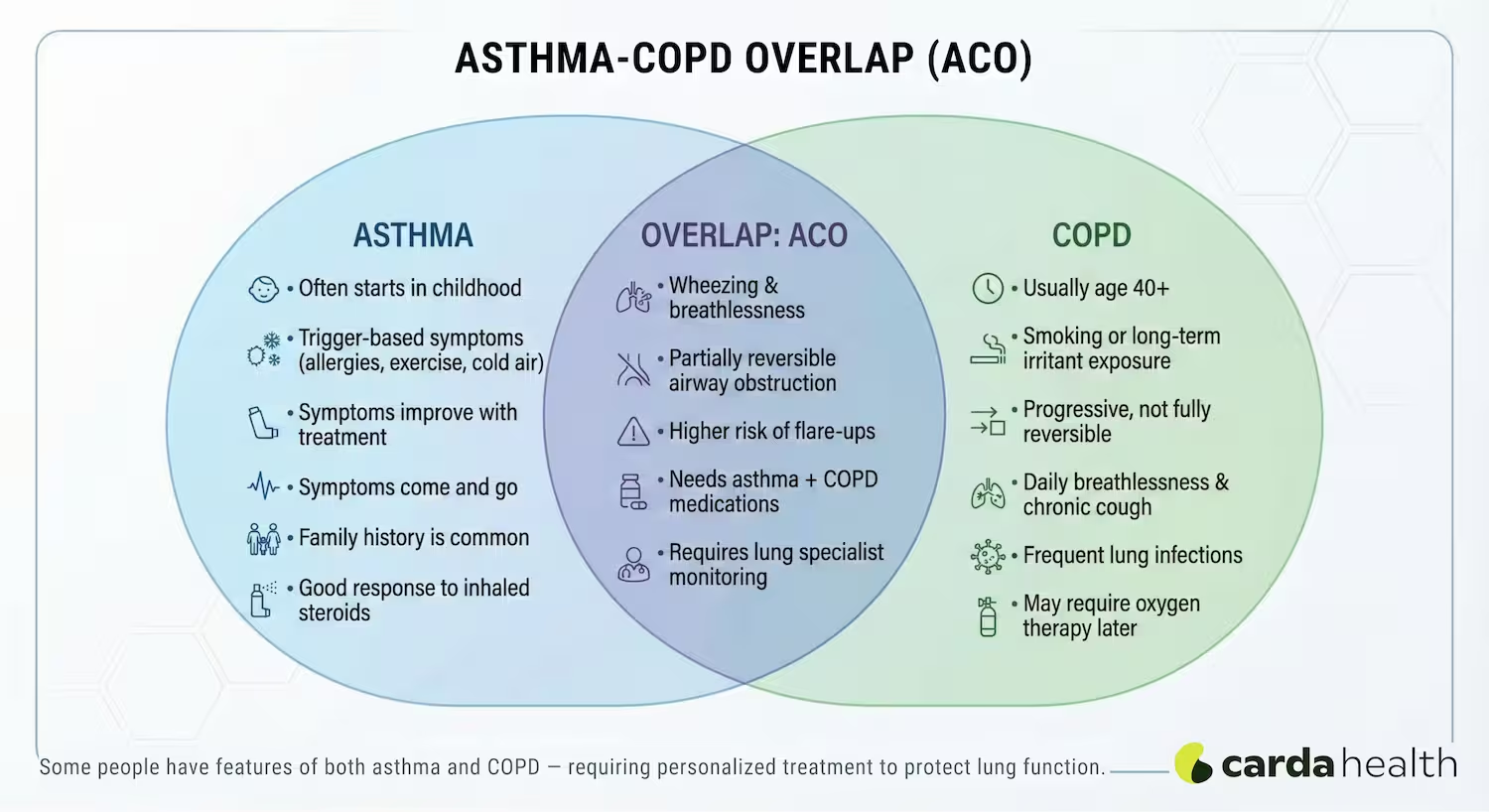
Asthma-COPD Overlap (ACO) refers to the condition in which Asthma and COPD occur together in the same individual. The ACO is diagnosed when an individual presents with Asthma and COPD symptoms and clinical signs.
Research suggests that up to 30% of people diagnosed with asthma or COPD may have overlap features, known as Asthma-COPD Overlap (ACO).
Misdiagnosis Between COPD and Asthma
Without spirometry, asthma and COPD are frequently misclassified because symptoms overlap. A good diagnosis can only be achieved through pulmonary function tests (PFTs). Research demonstrates that a greater percentage of Asthma and COPD cases are misdiagnosed in the absence of PFTs (more than one-third).
Also Read: What Not To Do Before a Pulmonary Function Test?
{{get-started}}
Can Asthma Lead to COPD?
Uncontrolled asthma can cause fixed airway obstruction that looks similar to COPD, but asthma does not directly turn into COPD. Persistent inflammation and damage from unmanaged Asthma may cause lasting changes in the airways. Some people can have ACO that is treated with the combination of medications and exercises that address both the Asthma and COPD symptoms.
Take Away
COPD and asthma can feel similar, but they differ in key ways.
COPD is usually linked to smoking or long-term lung irritation, and symptoms are present most days and gradually worsen over time. Asthma is often tied to allergies or genetics, with flare-ups that come and go and typically improve with treatment.
Asthma management focuses on controlling inflammation and avoiding triggers, while COPD care aims to slow progression and improve breathing strength through bronchodilators, pulmonary rehab, smoking cessation, and infection prevention.
If you’re unsure which condition you’re dealing with or need help managing breathlessness, Carda Health can guide you with expert support from home.
FAQs
What percentage of patients are Asthmatic and have COPD?
Asthma or a history of asthma is found in approximately 27–40% of people with COPD, depending on the study and definitions used. It is also known as the overlap syndrome, where the two are jointly present. This worsens the condition, including additional cough or dyspnea.
What is the percentage of the population that has COPD?
There is also the prevalence of COPD of about 10.3% in adults between the ages of 30 to 70 years in the world. It can go up to 24% in the old ones (those who are above 70 years old).
What is the rank of COPD?
According to WHO, COPD has been the fourth leading cause of death in the world. It caused 3.5 million deaths in 2021, which is about 5% of the deaths in the world. It is projected to become the third leading cause of death by 2030.
References
https://pmc.ncbi.nlm.nih.gov/articles/PMC3633485/
https://health.clevelandclinic.org/Asthma-vs-copd
https://www.healthline.com/health/copd/Asthma#treatments
https://www.baptisthealth.com/blog/family-health/Asthma-vs-copd-what-are-the-differences
https://www.umms.org/bwmc/health-services/pulmonary-disease/copd/about-copd/Asthma-or-copd
https://publications.ersnet.org/content/breathe/7/3/229
https://www.southtees.nhs.uk/staff/staff-wellbeing/Asthma-and-copd/
https://my.clevelandclinic.org/health/diseases/6424-asthma
https://www.who.int/news-room/fact-sheets/detail/chronic-obstructive-pulmonary-disease-%28copd%29